|
Molgas completes acquisition of Prima LNG’s Irish business
Molgas takes over Prima LNG’s Irish customer portfolio, including a Mondelez manufacturing site, as part of its expansion. |
|
|
|
||
|
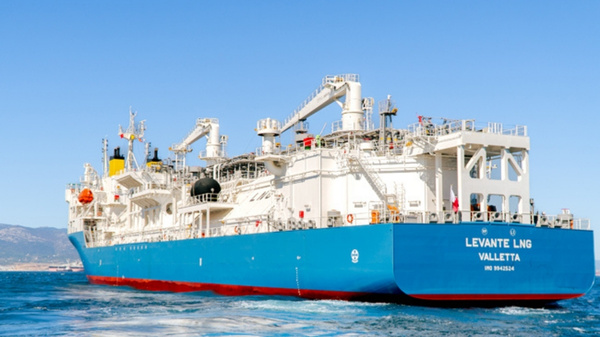
Peninsula marks three years of LNG bunkering with Levante LNG
Bunker supplier reports zero claims and CO₂e cuts as LNG bunker vessel completes three years of operations. |
|
|
|
||
|
Sea Leader begins physical bunker supply operations in eastern India
Company completes first bunker delivery after registering with India's shipping authority. |
|
|
|
||
|
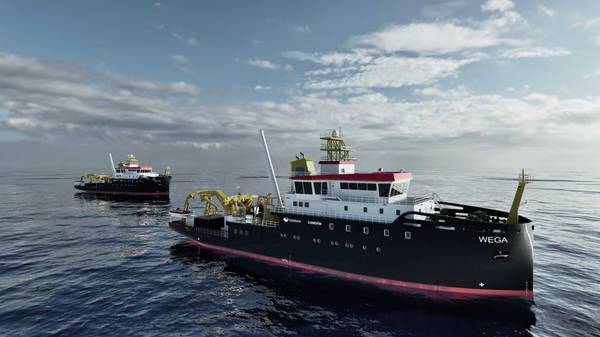
Auramarine to supply methanol fuel systems for German hydrographic research vessels
Finnish firm signs deal with Gondan Shipbuilders to equip two new vessels for Germany's maritime agency. |
|
|
|
||
|
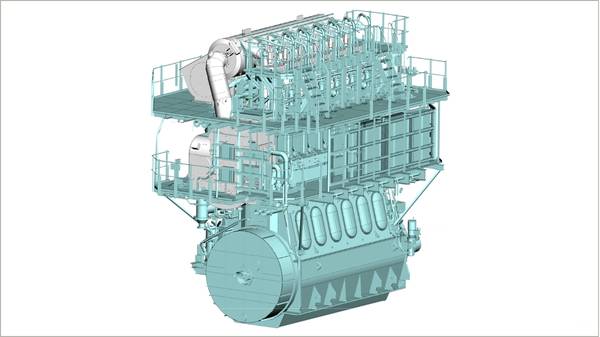
Mitsui E&S secures first order for dual-fuel engines from Indian shipyard
Six LNG-fuelled engines will power chemical tankers built by Swan Defence and Heavy Industries in Gujarat, India. |
|
|
|
||

|
Study maps route for Jamaica to become regional hub for alternative marine fuels
Research identifies Jamaica's location, port traffic and existing LNG infrastructure as foundations for a regional alternative marine fuels hub. |
|
|
|
||
|
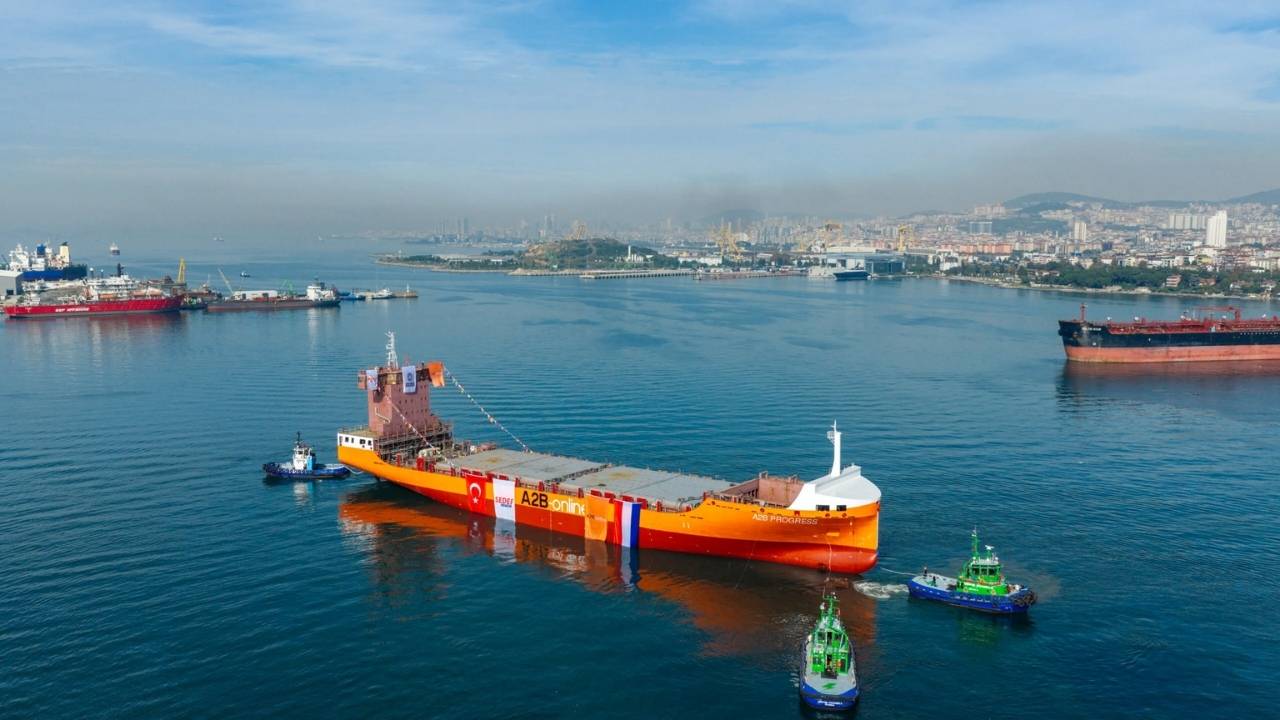
A2B-online orders two more methanol-fuelled vessels for shortsea network
Dutch shortsea operator expands newbuild series to four ships, adding methanol propulsion and battery capacity for emission-free port calls. |
|
|
|
||

|
Höegh Autoliners signs battery deal with BYD for ammonia-ready car carrier
Ro-ro shipper teams up with BYD Energy Storage to combine batteries, solar power and ammonia-ready propulsion on a single car carrier. |
|
|
|
||
|
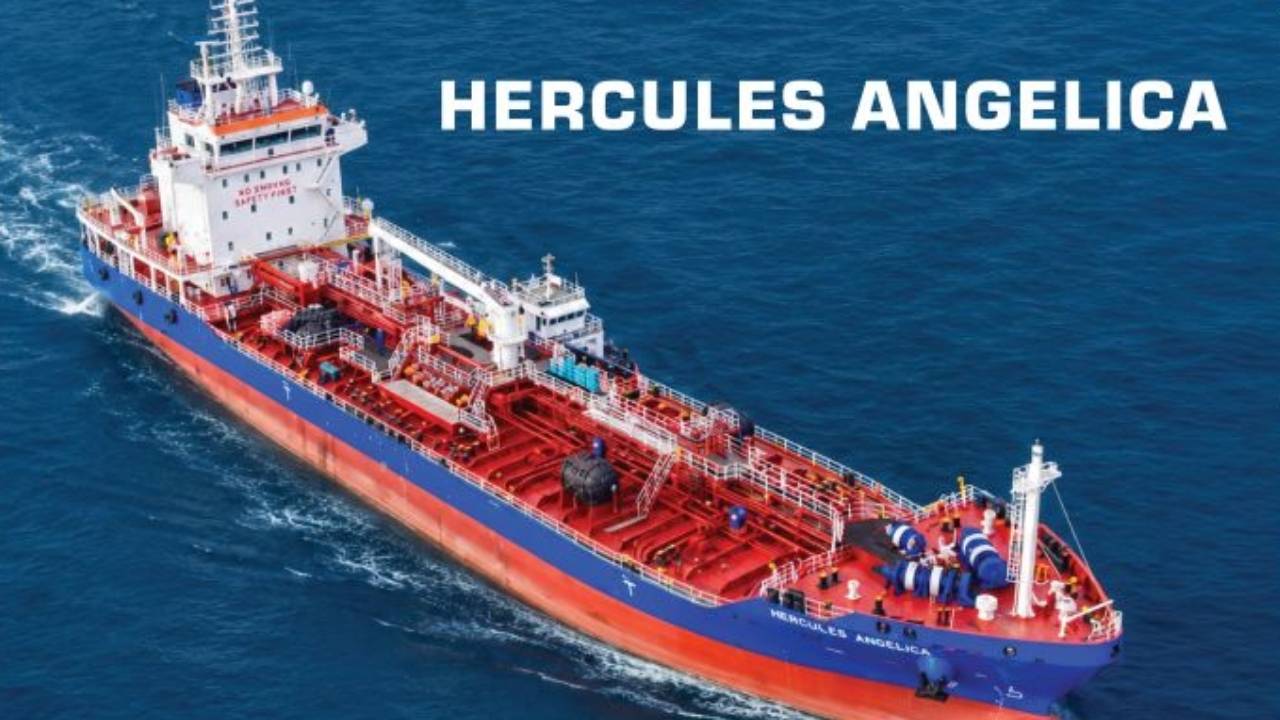
Hercules Tanker Management adds new Ultra-Spec tanker to fleet with FAME cargo run
Hercules Angelica begins maiden voyage carrying FAME from Malaysia to the UK/ARA region. |
|
|
|
||

|
Samsung Heavy Industries and Japan's Morimura to jointly develop solid oxide fuel cells for ships
Companies target 2028 commercialisation of SOFC technology for merchant vessels and floating data centres. |
|
|
|
||
| Leonhardt & Blumberg equips first of four newbuilds with Econowind VentoFoils [News & Insights] |
| Wind-powered cargo ships pass 100-vessel mark as deployment accelerates [News & Insights] |
| RINA approves design for Clippership's 24-metre autonomous wind-powered cargo vessel [News & Insights] |
| Amasus installs second bound4blue wind sail on general cargo vessel [News & Insights] |
| Berg Propulsion secures second Arriva retrofit after 10% fuel savings confirmed [News & Insights] |