

|
Shale oil components detected in Singapore marine fuel | VPS
VPS testing identifies 90,000 mt of delivered VLSFO containing Estonian shale oil compounds. |
|
|
|
||

|
IBIA chair completes two-year term, citing expansion in regulatory engagement and membership
Outgoing chair to remain on Global Board and lead Future Fuels and Bunker Buyers’ working groups. |
|
|
|
||

|
LNG and methanol investments risk becoming 'dead ends' for shipping decarbonisation, UCL study finds
Research warns transitional marine fuels may lock in fossil infrastructure rather than enabling an ammonia pathway. |
|
|
|
||

|
Protasov: Renewable fuel supply could meet shipping demand, but offtake agreements remain a barrier
GENA Solutions CEO highlights project pipeline growth but warns regulatory uncertainty hampers investment decisions. |
|
|
|
||
|
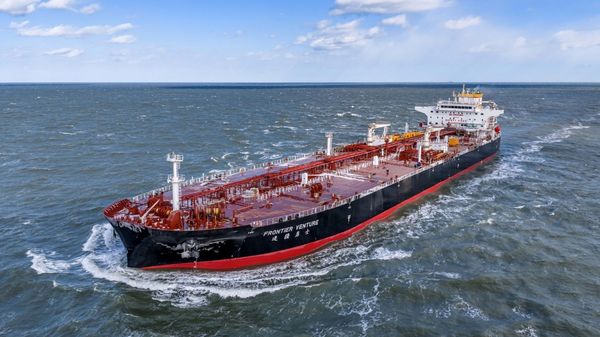
Wah Kwong takes delivery of first LNG-ready LR2 tanker with Bureau Veritas SMART notation
Frontier Venture is first in newbuild series to achieve Group 3 'augmented ship' capabilities. |
|
|
|
||
|
IMO calls for expert nominations for methane fuels technical seminar in May
Event to cover LNG, biomethane and e-methane production, safe use and blending. |
|
|
|
||

|
Emvolon to present stranded methane conversion technology at Industry Growth Forum
Company selected from over 270 entrepreneurs to showcase modular fuel production system in Denver. |
|
|
|
||
|
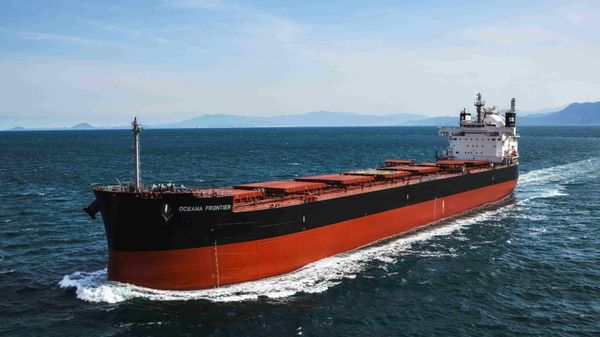
Tsuneishi Shipbuilding delivers world’s first LNG dual-fuel Kamsarmax bulk carrier
Japanese shipbuilder manufactures LNG fuel tank in-house, achieving over 50% EEDI reduction. |
|
|
|
||

|
Incat Crowther designs 80-metre high-speed ro-pax ferry for South Korean Yellow Sea routes
Vessel will transport 572 passengers and 60 cars between Incheon and Ongjin County islands. |
|
|
|
||
|
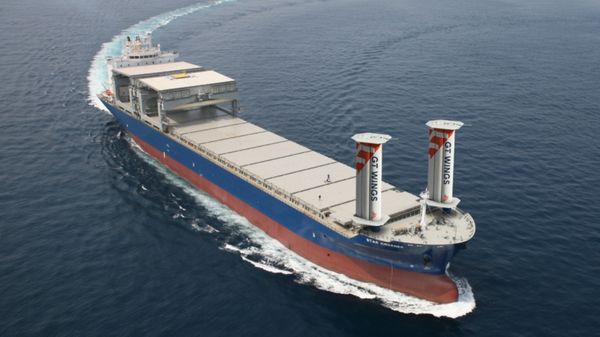
Grieg Maritime Group orders GT Wings jet sails for Star Kirkenes retrofit
Norwegian shipowner signs contract for two AirWing 20 units with option for three more vessels. |
|
|
|
||
| Hernandez Bento: 'Very small' risk of sunken vessel leaking fuel [News & Insights] |

