
|
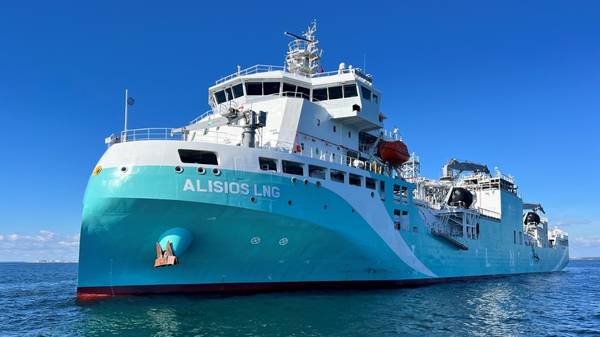
Axpo completes first LNG bunkering in Valencia, with over half bio-LNG
Ship-to-ship transfer to a container vessel makes Valencia the company's fourth Spanish port for LNG bunkering. |
|
|
|
||
|
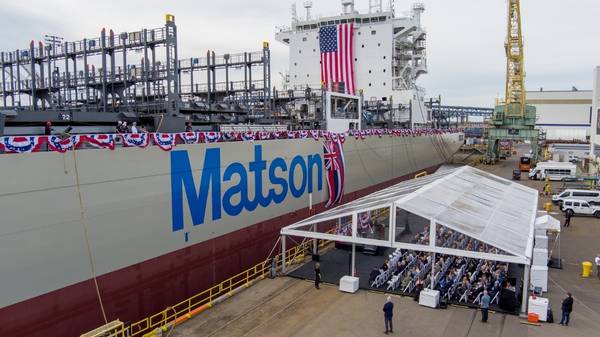
Matson christens Makua, first of three LNG-ready Aloha Class container ships
Dual-fuel vessel, due for delivery in early 2027, is the first of three ships worth around $1bn. |
|
|
|
||
|
CMB.Tech seeks Singapore-based ammonia operations manager for Asia Pacific
New hire will oversee ammonia chartering and bunkering and liaise with Far East partners. |
|
|
|
||
|
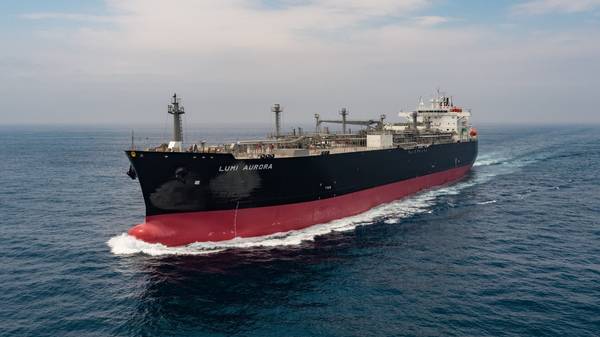
IINO Lines deploys first Ice Class IB VLGC on long-term charter to Borouge International
LPG-fuelled Lumi Aurora will carry North American gas to Borouge International's Porvoo plant in Finland. |
|
|
|
||
|
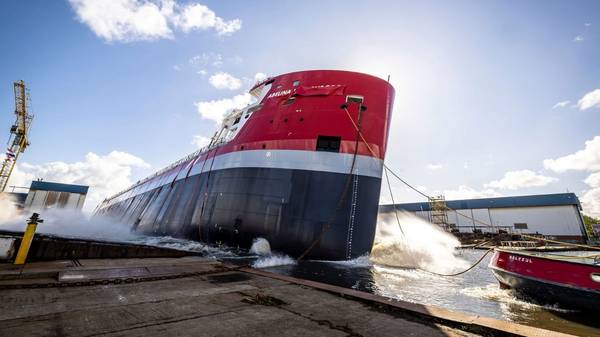
Wagenborg launches first EasyMax 2.0 vessel, prepared for methanol, ammonia and LNG
Abelina Wagenborg, built at Niestern Sander, is the first of a new generation designed for multiple alternative fuels. |
|
|
|
||
|
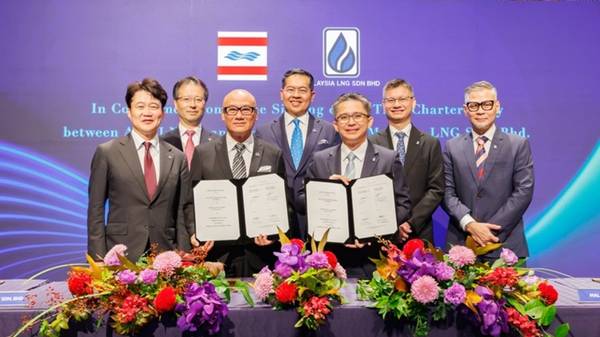
NYK–MISC joint venture signs charter for 18,700-cbm LNG carrier with Malaysia LNG
Asia LNG Transport will operate the dual-fuel diesel-electric newbuild, due from Hudong-Zhonghua in 2028, on routes to Japan. |
|
|
|
||

|
Study finds methanol dual-fuel retrofit of Kamsarmax bulk carrier would take about 75 days
Report by Mærsk Mc-Kinney Møller Center, involving Tsuneishi, puts conversion costs at 25–30% of the cost of a conventionally fuelled newbuilding. |
|
|
|
||
|
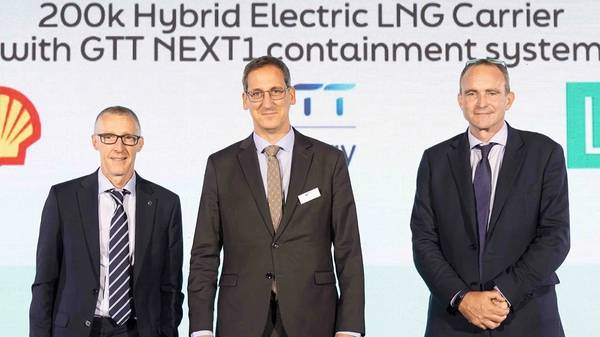
Lloyd's Register, Shell and GTT launch joint project on hybrid-electric 200,000-cbm LNG carrier
Partners to develop a concept combining hybrid-electric propulsion with GTT NEXT1 cargo containment technology for larger LNG carriers. |
|
|
|
||
|
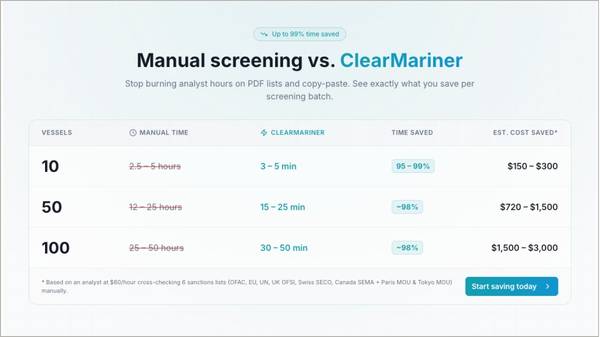
ClearMariner expands maritime sanctions screening with ESG, emissions and API support
Online service now combines sanctions checks with voyage CO₂, CII, EU ETS and FuelEU Maritime estimates. |
|
|
|
||

|
Flex Commodities adds Long Jing Xin to Singapore marine fuels team
Company appoints associate for marine fuels as part of plan for regional expansion. |
|
|
|
||
| Membrane containment technology chosen for six VLECs [News & Insights] |
| Joint LNG-fuelled boxship project announced [News & Insights] |
| Report examines ethane-powered VLEC concept [News & Insights] |
| Tri-fuel LNG carriers ordered [News & Insights] |
| Bureau Veritas to class first LNG bunker barge [News & Insights] |
| Axpo completes first LNG bunkering in Valencia, with over half bio-LNG [News & Insights] |
| Matson christens Makua, first of three LNG-ready Aloha Class container ships [News & Insights] |
| IINO Lines deploys first Ice Class IB VLGC on long-term charter to Borouge International [News & Insights] |
| Wagenborg launches first EasyMax 2.0 vessel, prepared for methanol, ammonia and LNG [News & Insights] |
| NYK–MISC joint venture signs charter for 18,700-cbm LNG carrier with Malaysia LNG [News & Insights] |

