This is a legacy page. Please click here to view the latest version.
Mon 27 Feb 2012, 14:37 GMT

Bill seeks to make tax exemption permanent


New bill is aimed at avoiding problems related to the expiry of a partial sales tax exemption on the purchase of bunker fuel.


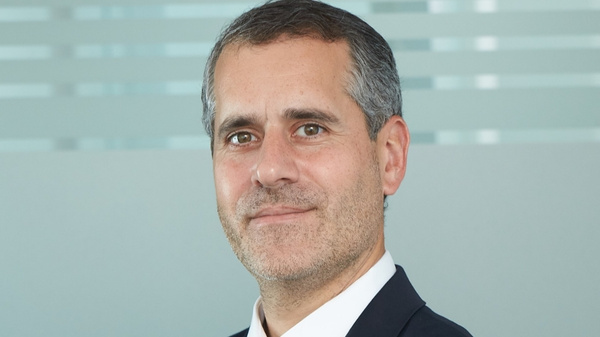
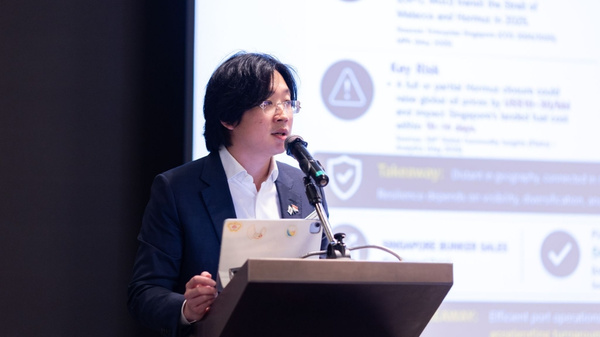
Senator Alan S. Lowenthal [pictured], a Democratic member of the California State Senate, introduced a bill on Thursday - SB 1243 - which seeks to make permanent a partial sales tax exemption on the purchase of marine fuel.

Like most products sold in California, marine fuel is subject to the state's sales tax - a tax that adds to the cost of marine fuel and encourages its purchase outside the state by ocean-going vessels. To make California marine sales competitive, the state currently offers a partial sales tax exemption on maritime fuel sales.

Under the exemption, the state does not tax fuel purchased in, but consumed outside of, California waters. SB 1243 would make the tax exemption permanent by eliminating the current expiration date of January 1, 2014.

The exemption, which has required renewals every five years, has expired on two previous occasions, once in 1992 and once in 2002. According to the state Legislative Analyst, the previous temporary expirations of the exemption caused marine fuel sales statewide to plummet nearly 50 percent. The past expirations also resulted in the loss of hundreds of high-paying blue-collar jobs related to the port industry.

“We've seen on two occasions that removing this sales tax exemption will cost our region jobs,” a statement released by Senator Lowenthal said.

"The tax also impacts the competitiveness of California ports. Fuel accounts for about 30 percent to 45 percent of the cost of operating a vessel in international commerce. The addition of the full sales tax on marine fuel can virtually eliminate a vessel’s operating profits and de-incentivize the purchase of marine fuel in California," the statement added.

“No other maritime port in the U.S. currently charges sales tax on marine fuel. This is about protecting California jobs and keeping California ports competitive,” said Senator Lowenthal.

In reviewing the bill, the Legislative Analyst’s Office also emphasized that SB 1243 is consistent with current state tax policy. SB 1243 must be in print for 31 days before it can be acted on by the Legislature.


Zhoushan waterfront at night. Zhoushan becomes world's third-largest bunker port  

Chinese refuelling hub overtakes Antwerp-Bruges and Fujairah to take third place in 2025.

Meyer Turku's net-zero vessel concept render. Meyer Turku completes net-zero cruise ship concept with 90% emissions cut  

Finnish shipbuilder’s AVATAR project vessel design exceeds IMO targets using technologies expected by 2030.

Uni-Fuels Logo. Uni-Fuels renews ISCC certification after first biofuel delivery  

Singapore-based marine fuel supplier completes inaugural ISCC-certified biofuel delivery, supporting EU regulatory compliance.

Close-up of a vessel bow at port. Iberian Peninsula poised to overtake the Netherlands as Europe’s top LNG bunkering hub  

Spanish and Portuguese ports quadrupled ship-to-ship LNG supply in two years, data shows.

FOBAS Fuel Insight Fuel Quality report H2 2025 cover. Lloyd’s Register reports sharp rise in marine fuel quality failures in late 2025  

December recorded the highest monthly off-specification cases, driven by sulphur, catalytic fines and flash point issues.

Bio-LNG bunkering infrastructure. Bahía de Bizkaia Gas launches bio-LNG loading service after ISCC certification  

Spanish regasification terminal begins offering renewable fuel loading for trucks and vessels in January 2026.

Grande Michigan vessel. Grimaldi takes delivery of eighth ammonia-ready car carrier Grande Michigan  

The 9,000-ceu vessel features 50% lower fuel consumption and 5 MWh battery capacity.

Graphic of the ABS logo with a blue background and light effects over a globe. ABS consortium delivers ammonia fuel safety report for EMSA  

Report expands on IMO interim guidelines and highlights need for comprehensive understanding of ammonia properties.

Green Future vessel. NYK operates methanol-fuelled bulk carrier for BHP, claims 65% emissions cut  

Green Future becomes first oceangoing bulk carrier to use low-carbon methanol fuel.

Genesis Sea vessel. Ulstein Verft completes sea trials for Genesis Sea CSOV ahead of spring delivery  

The 89.6-metre vessel features hybrid battery propulsion and preparations for green methanol operation.


↑  Back to Top


 Recommended