|
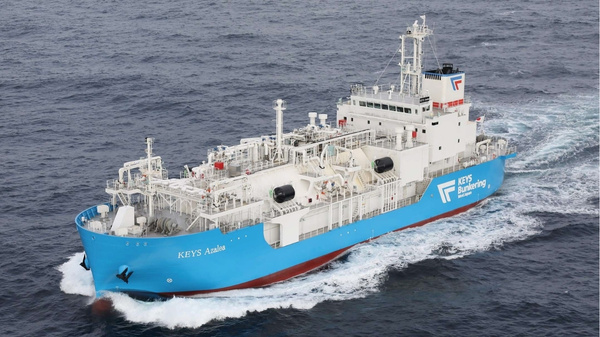
KEYS Azalea completes 100th LNG bunkering operation in western Japan
LNG bunkering vessel reaches landmark delivery in two and a half years. |
|
|
|
||
|
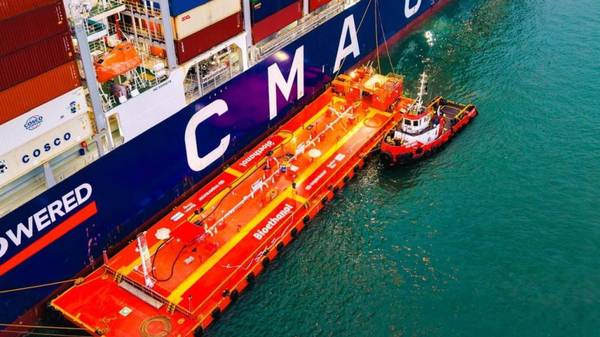
Port of Santos moves to regular ethanol bunkering for ships
CMA CGM, Copersucar and Bunker One expand July pilot into a commercial supply chain for ethanol as a marine fuel in Brazil |
|
|
|
||
|
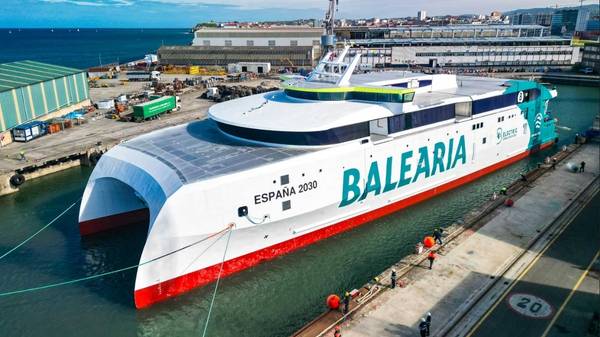
Baleària floats first fully electric fast ferry for Tarifa–Tangier route
Spanish operator's new catamaran, built at Armón's Gijón yard, will enter service in summer 2027. |
|
|
|
||
|
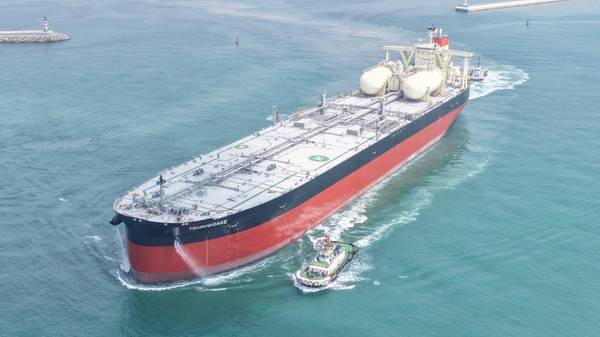
Kawasaki Heavy Industries delivers fourth LNG-fuelled VLCC
The 309,000-tonne Tsurugidake, built at a joint-venture shipyard in Dalian, is designed to cut CO₂ emissions by up to 30% when running on LNG. |
|
|
|
||
|
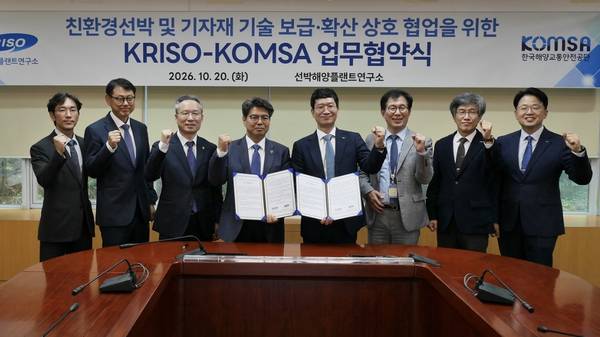
South Korean agencies link up on green shipping data and monitoring tech
KRISO and KOMSA sign an MOU to share demonstration data and remote monitoring capabilities for eco-friendly vessels. |
|
|
|
||

|
Peninsula seeks sales trader for Singapore bunker fuel desk
Role suited to candidates with prior sales or trading experience, ideally within the maritime or energy sector. |
|
|
|
||
|
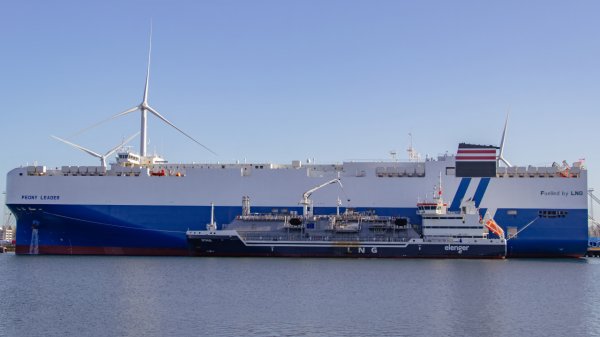
FuelEU pooling drives surge in bio-LNG demand, Titan analysis finds
Clean fuel supplier's modelling shows pooling mechanism turning overcompliance into tradable value for LNG-fuelled ships. |
|
|
|
||
|
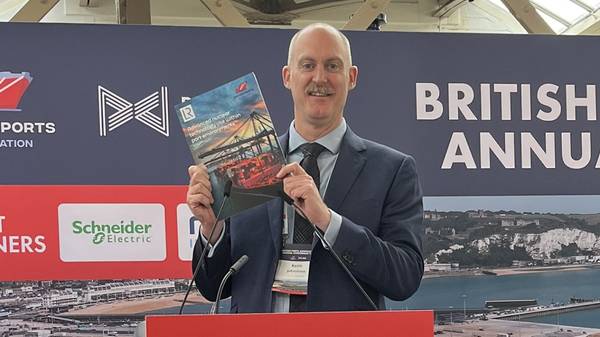
Ports told to prepare now for advanced nuclear power
Joint paper sets out a readiness pathway for ports facing nuclear-powered vessels, floating reactors and small modular units |
|
|
|
||
|
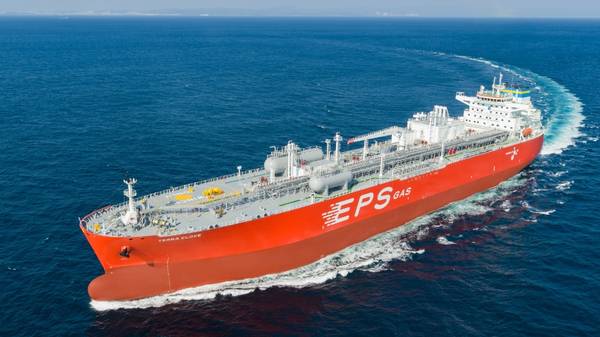
Eastern Pacific Shipping takes delivery of first ammonia dual-fuel VLAC
Terra Clove powered by first Everllence B&W 6G60ME-C10.5-LGIA ammonia dual-fuel two-stroke engine. |
|
|
|
||
|
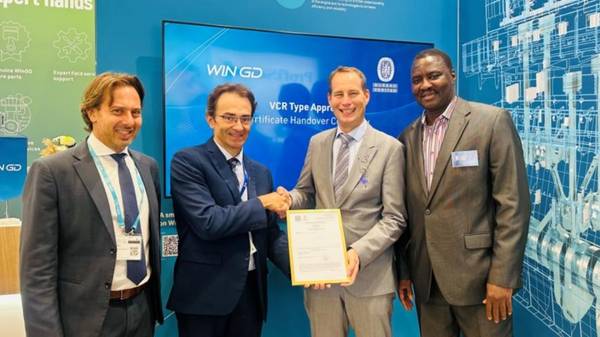
Bureau Veritas approves WinGD's variable compression ratio technology for dual-fuel engines
Classification society grants type approval to engine technology enabling compression ratio adjustment across different marine fuels. |
|
|
|
||
| Shuttle tankers set to be world's first LNG-fuelled DPSTs in 2019 [News & Insights] |
| KEYS Azalea completes 100th LNG bunkering operation in western Japan [News & Insights] |
| Port of Santos moves to regular ethanol bunkering for ships [News & Insights] |
| Baleària floats first fully electric fast ferry for Tarifa–Tangier route [News & Insights] |
| Kawasaki Heavy Industries delivers fourth LNG-fuelled VLCC [News & Insights] |
| Eastern Pacific Shipping takes delivery of first ammonia dual-fuel VLAC [News & Insights] |