
|
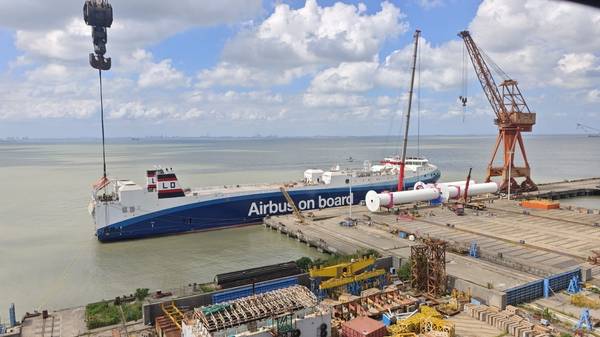
Norsepower installs first rotor sail aboard methanol-powered ro-ro vessel built for Airbus charter
The Spirit of Toulouse will carry six rotor sails alongside dual-fuel methanol engines on a transatlantic route. |
|
|
|
||
|
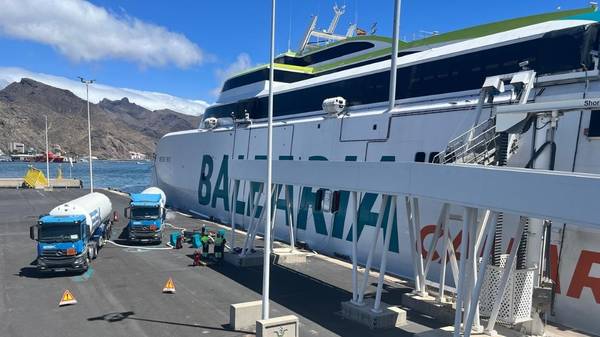
Baleària Canarias completes first truck-to-ship LNG bunkering for fast ferry at Tenerife
Mercedes Pinto received around 600 MWh of LNG via two tanker trucks simultaneously. |
|
|
|
||

|
O Bunkering claims 15-minute marine lubricant delivery at Duqm
Omani supplier says local stock enables rapid turnaround for vessel operators. |
|
|
|
||
|
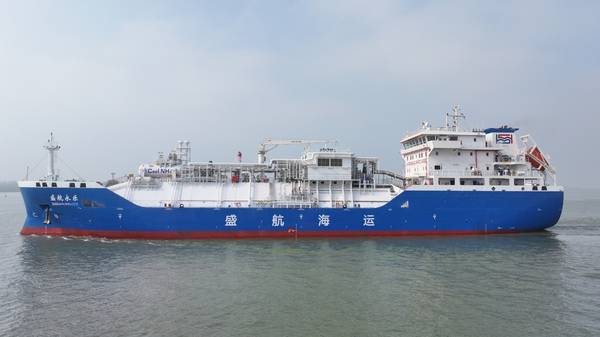
World's first operational ammonia bunker vessel enters service
Converted 5,500-cbm gas carrier has received the first ammonia bunkering class certificate. |
|
|
|
||

|
Shipowners risk financial exposure by delaying EU allowance transfers, EmissionLink warns
EmissionLink says last-minute EUA compliance habits are creating avoidable financial and commercial risk. |
|
|
|
||
|
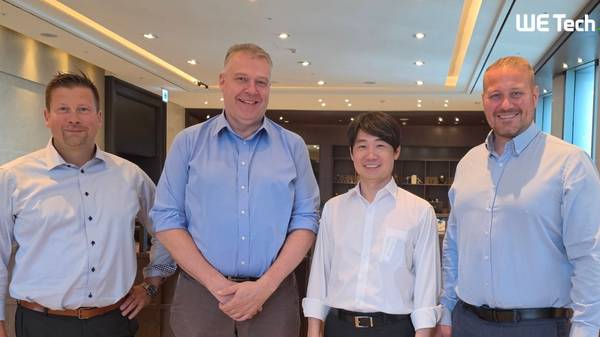
South Korea’s Vinssen signs MoU with Finland’s WE Tech Solutions to target European marine electrification market
The agreement combines hydrogen fuel cell systems with advanced power conversion and management technology. |
|
|
|
||
|
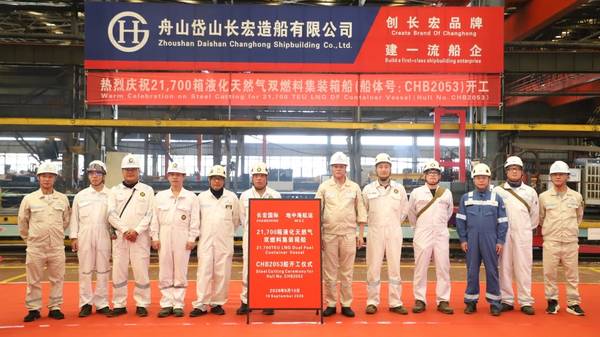
Changhong International starts building 21,700-TEU LNG dual-fuel container ship for MSC
Vessel is described as the largest container ship currently under construction in Zhejiang Province. |
|
|
|
||
|
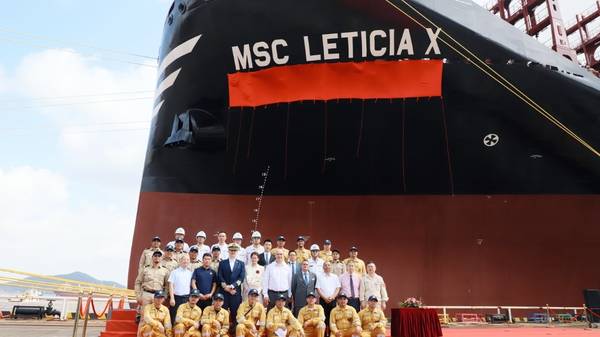
Changhong International delivers fifth MSC LNG dual-fuel boxship 324 days early
Chinese shipyard hands over 10,300-TEU vessel to MSC well ahead of contract schedule. |
|
|
|
||

|
Cosco Shipping names 88,000-cbm VLGC Chang Ping Yuan with dual-fuel LPG propulsion
Owner claims 20% CO₂ reduction and Panama Canal compatibility across both lock systems. |
|
|
|
||

|
World Fuel seeks senior marine fuels sales executive in London
Position requires minimum of 10 years' experience in marine fuels, marine energy, or shipping. |
|
|
|
||
| JV to manufacture engines in China [News & Insights] |
| Japan launches hybrid car carrier [News & Insights] |
| Japan's 'first' system for supplying high pressure gas [News & Insights] |
| Bulk carrier cuts CO2 by 25 percent [News & Insights] |
| Changhong International starts building 21,700-TEU LNG dual-fuel container ship for MSC [News & Insights] |
| Changhong International delivers fifth MSC LNG dual-fuel boxship 324 days early [News & Insights] |
| LNG dual-fuel boxship handed over to Eastern Pacific Shipping [News & Insights] |
| Navios Partners takes delivery of second LNG- and methanol-ready boxship in newbuilding series [News & Insights] |
| Yang Ming orders six 13,000-TEU LNG dual-fuel vessels from Hanwha Ocean [News & Insights] |

