Fri 3 Jun 2011, 16:47 GMT

OW Bunker: Industry must prepare for 2015 regulations


Supplier says the development of a 'rigorous' fuel procurement strategy is key to managing regulation.


OW Bunker, one of the world’s leading suppliers and traders of marine fuel, today stated that ship owners and operators must focus their energies on effectively planning for the new Emissions Control Area (ECA) regulations in 2015, rather than hoping for a suspension or change from the 0.1% sulphur limit.

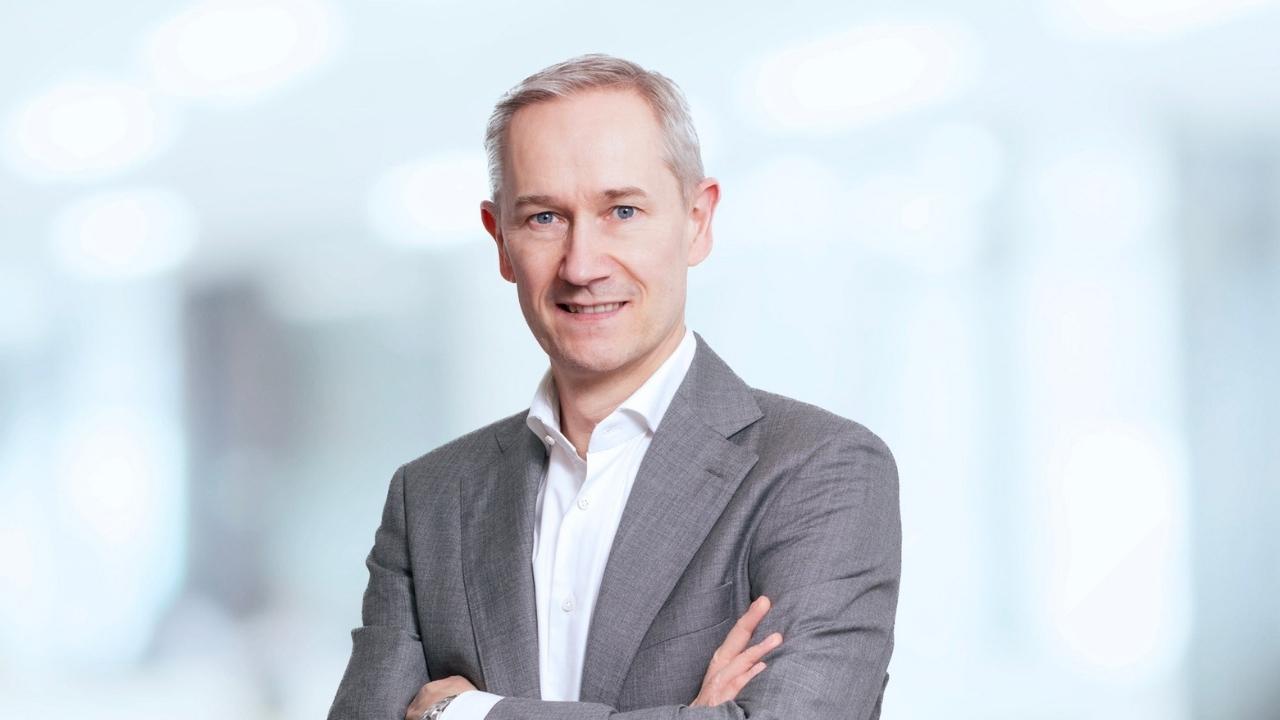
Speaking on the ‘changes and challenges’ that the industry faces at the 5th International Istanbul Bunker Conference, Søren Christian Mayer, Global Sales Director, OW Bunker, said: “There are factions within the industry that continue to lobby the IMO to change the regulation. This is giving false hope to ship owners and operators, which will lead to a dangerous state of apathy. Their attention should be focused on rigorously planning for the regulatory change, analysing every facet of their operations and trading routes and understanding how the 0.1% sulphur limit will impact their business.”

OW Bunker said it is in the process of conducting risk analysis assessments with a number of progressive customers to identify the regulatory impact and put in place solutions that manage the change.

Meyer said: “Our recommendation is to develop a comprehensive fuel procurement strategy over the next two years that will serve for a smooth transition in 2015. We are working with our customers to understand the impact of regulation on their entire business from a cost and technical perspective. This knowledge and insight is subsequently providing the foundation to implement effective solutions that are appropriate for their specific businesses.”

OW Bunker said it believes that a strong partnership between the ship owner/operator and fuel supplier is critical to achieving this. Meyer stated: “A quality fuel supplier should have the knowledge, technical insight and analysis methodology to work closely with their customers to help them develop a robust strategy for change. They must have a complete understanding of the ship owner/operator’s business, and a relationship that is founded on saving costs, maximising profitability and driving as much efficiency as possible into their customer’s operations.”

OW Bunker added that it thinks success will be based on combining a number of solutions: “We don’t believe there will be one silver bullet. Distillates are clearly an expensive option, and there are issues from a refining, supply and price perspective come 2025 based on the anticipated demand. Technology and innovation will also play a significant role, as will clean fuels such as LNG once the challenges of supply, infrastructure and the physical bunkering process are over come.”

Meyer concluded: “No solution can be implemented unless there is a total understanding of the challenge and impact on each individual business. This must be the starting point for ship owners and operators. Those that focus their energies on this and put in place a comprehensive fuel procurement strategy that meets the demand of their trading routes and manages their risk effectively will steal significant competitive advantage."


Hapag-Lloyd and DSV logo side by side. Hapag-Lloyd and DSV sign 18,000-tonne CO2e reduction agreement for sustainable marine fuels  

Two-year framework allows inclusion of alternative fuels beyond biofuels in shipping decarbonisation partnership.

Bangkok city skyline. Uni-Fuels opens Thailand office as part of Southeast Asia expansion  

Marine fuel supplier establishes Bangkok entity, appoints managing director with 15 years’ industry experience.

Washington State Hybrid-Electric 160-Auto Ferry vessel render. Corvus Energy to supply battery systems for Washington State Ferries hybrid vessels  

ABB selects Corvus for two new 160-vehicle ferries as part of $3.98bn electrification plan.

Vinssen and Mana Engineering sign MoU. Vinssen, Mana Engineering partner on hydrogen fuel cell retrofit for 800-teu feeder vessel  

South Korean and Dutch firms to pursue Lloyd’s Register approval for hybrid retrofit concept.

Hercules Elisabeth vessel. Hercules Tanker Management takes delivery of second Ultra-Spec vessel in China  

Hercules Elisabeth is the second of 10 hybrid-ready tankers designed for alternative fuels.

Wolf 1 vessel. Petrol Ofisi launches fuel supply tanker Wolf 1  

Turkish bunker supplier adds 1,750-dwt vessel with alternative fuel infrastructure to fleet.

BIMCO meeting. BIMCO to convene for adoption of biofuel clause and ETS provisions at February meeting  

Documentary Committee to consider new contractual frameworks for alternative fuels and emission trading scheme compliance.

Sea Change II vessel render. Incat Crowther and Switch Maritime develop 150-passenger hydrogen ferry for New York  

Design work begins on 28-metre vessel with 720 kg hydrogen capacity and 25-knot speed.

Aerial view of a container vessel. HIF Global signs heads of agreement with German eFuel One for 100,000 tonnes of e-methanol annually  

Deal covers supply from HIF’s Uruguay project, with e-methanol meeting EU RED III standards.

Welcoming of Kota Odyssey at Jordan’s Aqaba Container Terminal. PIL’s LNG-powered vessel makes maiden call at Jordan’s Aqaba port  

Kota Odyssey is Pacific International Lines’ first LNG-fuelled ship to call at the Red Sea port.


 Recommended