Tue 13 Apr 2010, 07:31 GMT

Container ship concept to burn less fuel


DNV introduces new container ship concept which uses less fuel and runs on LNG.


Quantum is the name of a new container ship concept introduced by Norwegian classification society Det Norske Veritas DNV. The new concept is based on both technical and market research and innovation and is designed to transport more cargo while using less fuel and with a reduced environmental impact.

"In the future of the shipping industry in general and the container ship segment in particular, uncertainties will remain as a challenge while flexibility will be a key to prospective success," DNV said.

The new container ship concept is designed to meet the perceived market needs. It has a design speed of 21 knots, but can operate efficiently at speeds between less than 10 knots and more than 22 knots.

A beam of 42.5 metres gives the vessel good stability while its novel 49.0-metre Widedeck design increases its container capacity. In addition, the need for ballast water is minimized and LNG is introduced as part of the ship's fuel.

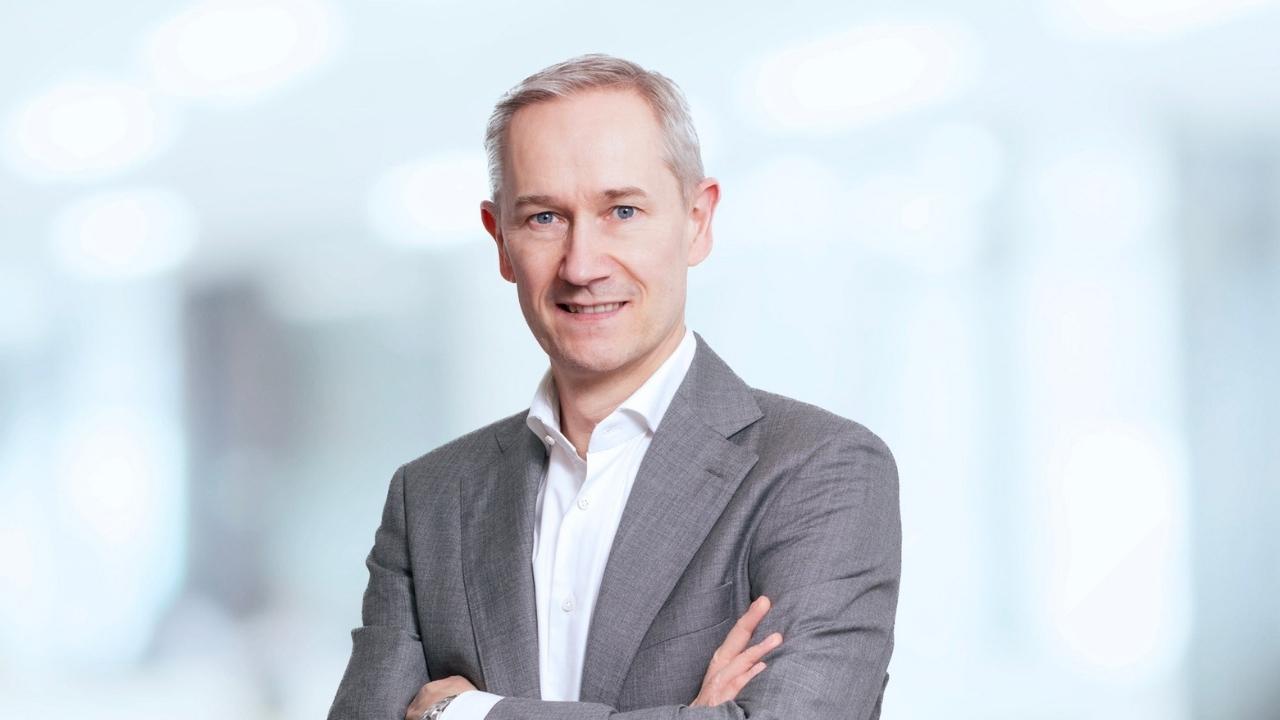
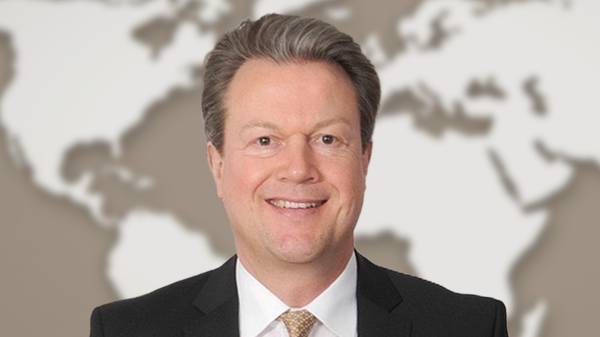
"Even if it would be possible to realise the Quantum within three to five years, this is a concept ship designed to stir up a debate about shipping innovation. All the aspects of the concept design is unlikely to appear in a single ship, but certain aspects will be taken further on a case by case basis. I am convinced of this," said Tor Svensen [pictured], the president and chief operating officer of DNV.

He refers to the automotive industry, which has long traditions of introducing new concepts as a lodestar for the future development of new cars.

Mr Svensen added: "We all know that the shipping industry is facing tough times. But now is the time for innovation and a focus on new solutions. DNV has a strong technical and financial platform. This platform is to be used to solve problems we all are facing, especially the environmental challenges."

If Quantum as it is designed was realised, it would be a 272.3-metre-long ship. Its beam would be 42.5 metres at the water line and 6.5 metre wider than this at deck level. Its total container capacity would be 6,210 TEU.

Through the market research conducted ahead of this project, Alphaliner, a provider of shipping market intelligence, concluded: "Ships in the 5,500 TEU region may become the new workhorse of this industry."

An extended presentation of the new container ship concept is published today and can be studied by following the URL link below:

http://viewer.zmags.com/publication/b14aa72b#/b14aa72b/10


Areion vessel. Dorian LPG takes delivery of dual-fuel VLGC capable of carrying ammonia  

The 93,000-cbm Areion can run on LPG or fuel oil and transport ammonia cargoes.

FSRU Toscana alongside Green Zeebrugge vessel. RINA awards ISCC EU certification to OLT Offshore LNG Toscana for bio-LNG supply  

Certification enables bio-LNG use in the EU as a renewable fuel under RED II and RED III directives.

World Shipping Council at IMO meeting. WSC calls for safe maritime corridor as 20,000 seafarers remain trapped in the Persian Gulf  

Industry body urges IMO member states to establish safe passage and supply access.

Graphic promoting Auramarine webinar titled 'Sustainable Fueling Part 3: Ammonia - next alternative fuel in marine'. Auramarine to host webinar on ammonia as marine fuel in April  

Finnish firm will explore ammonia’s role in maritime decarbonisation at its third spring webinar.

Front cover of study by WinGD and Envision Energy titled 'Renewable Fuel Economics: An OPEX illustration based on current costs'. Green ammonia could reach cost parity with VLSFO and LNG by 2050, study finds  

WinGD and Envision Energy study projects green ammonia operational costs competitive with conventional marine fuels.

Elenger Marine's LNG bunkering vessel Optimus alongside Brittany Ferries’ Saint-Malo. Bureau Veritas verifies methane emissions on Brittany Ferries’ LNG vessels  

Verification enables ferry operator to report measured methane slip instead of regulatory default values.

Map showing existing and planned Emission Control Areas (ECAs). Alliance calls for urgent black carbon action as new Arctic emission control areas take effect  

Canadian Arctic and Norwegian Sea ECAs now in force, with compliance deadline set for March 2027.

Artistic impression of battery-electric ferry for operation on Perth’s Swan River. Lloyd’s Register to class Western Australia’s first electric ferry fleet  

Echo Marine Group partners with Lloyd’s Register on five battery-electric ferries for Perth’s Swan River.

Thomas Kazakos, secretary general of The International Chamber of Shipping (ICS). ICS condemns Middle East shipping attacks as 20,000 seafarers remain trapped  

Industry body calls for urgent state action to resupply vessels and enable crew changes.

Molslinjen ferry illustration. Molslinjen order propels Australia to top of battery vessel production rankings  

Danish ferry operator’s three-catamaran order at Incat Tasmania shifts global manufacturing landscape, analysis shows.