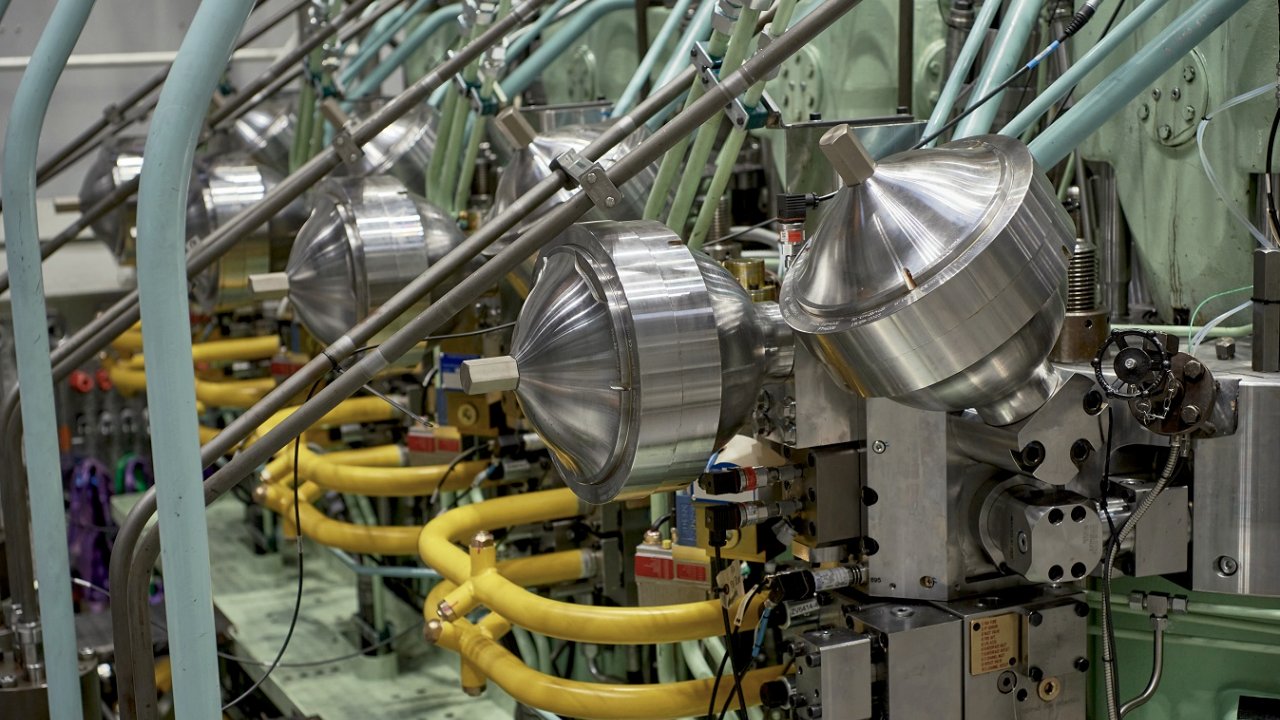
MAN Energy Solutions has announced that its ME-LGIA (Liquid Gas Injection Ammonia) engine has successfully operated at 100% engine load for the first time during tests conducted at its Research Centre Copenhagen (RCC). This achievement marks a notable advancement in the company's ongoing efforts to develop ammonia-fuelled marine engines.
The testing process commenced in November 2024 and has been characterised by a careful and safety-oriented approach, according to Ole Pyndt Hansen, Head of Two-Stroke Research & Development at MAN Energy Solutions. "We began full-scale testing in November 2024 and have since proceeded in a cautious and safety-first way," he stated. The engine has now been tested on ammonia fuel across a load range from 25% to 100%, leading to the validation of the ammonia fuel-injection system throughout the entire load curve, with diesel-pilot amounts recorded in alignment with the company's targets.
In addition to achieving full engine load, the company claims that the positive emissions and performance characteristics observed during earlier single-cylinder tests have been confirmed in full-scale engine operations. MAN Energy Solutions asserts that its proprietary selective catalytic reduction (SCR) technology functioned effectively across all test loads, treating exhaust gases accordingly while ensuring that all supply and safety systems performed as expected.
Looking ahead, the next stages of testing will emphasise enhancing performance and optimising emissions, focusing on the injection and SCR systems, as well as refining control strategies. Christian Ludwig, Head of Global Sales & Promotion for the Two-Stroke Business at MAN Energy Solutions, remarked on the engine's power take-off (PTO) capability. He explained that "the ME-LGIA concept is based on the diesel-cycle combustion principle, which makes it eminently suitable for PTO."
Prior simulations of the PTO capabilities on the ammonia engine yielded favourable results, and Ludwig expressed satisfaction at seeing these outcomes replicated in real-world testing. The company intends to provide PTO support for the ME-LGIA equivalent to that of its other diesel-cycle engines within its low-speed portfolio.
|
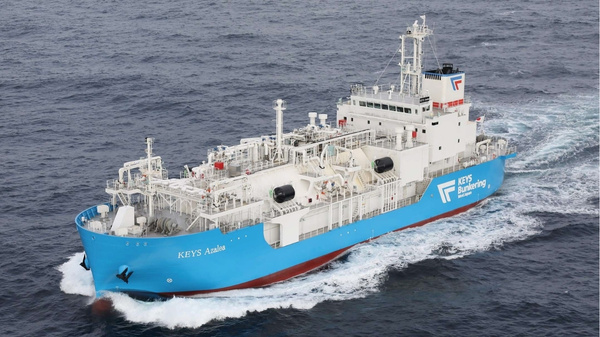
KEYS Azalea completes 100th LNG bunkering operation in western Japan
LNG bunkering vessel reaches landmark delivery in two and a half years. |
|
|
|
||
|
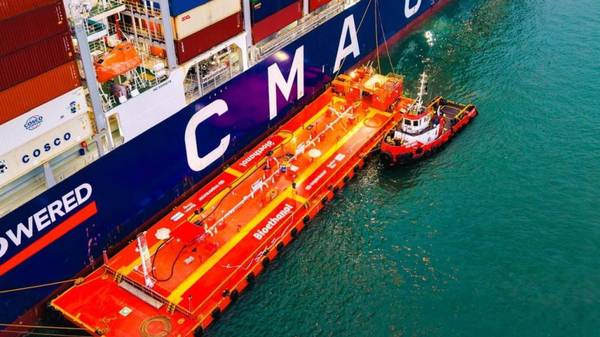
Port of Santos moves to regular ethanol bunkering for ships
CMA CGM, Copersucar and Bunker One expand July pilot into a commercial supply chain for ethanol as a marine fuel in Brazil |
|
|
|
||
|
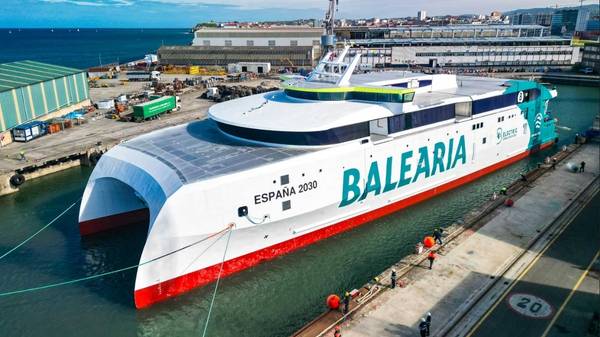
Baleària floats first fully electric fast ferry for Tarifa–Tangier route
Spanish operator's new catamaran, built at Armón's Gijón yard, will enter service in summer 2027. |
|
|
|
||
|
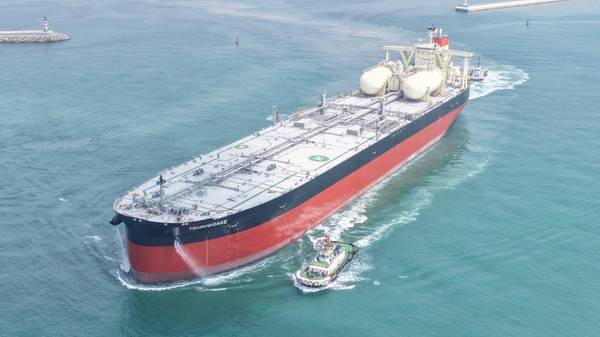
Kawasaki Heavy Industries delivers fourth LNG-fuelled VLCC
The 309,000-tonne Tsurugidake, built at a joint-venture shipyard in Dalian, is designed to cut CO₂ emissions by up to 30% when running on LNG. |
|
|
|
||
|
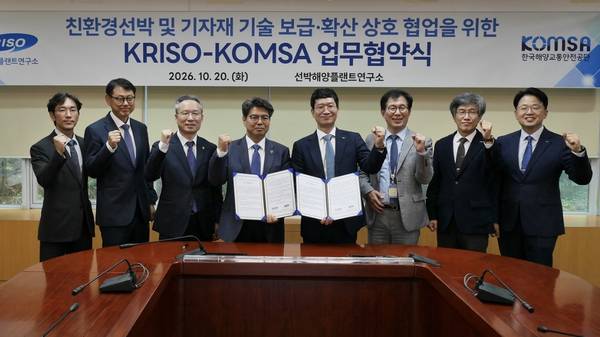
South Korean agencies link up on green shipping data and monitoring tech
KRISO and KOMSA sign an MOU to share demonstration data and remote monitoring capabilities for eco-friendly vessels. |
|
|
|
||
|
Peninsula seeks sales trader for Singapore bunker fuel desk
Role suited to candidates with prior sales or trading experience, ideally within the maritime or energy sector. |
|
|
|
||
|
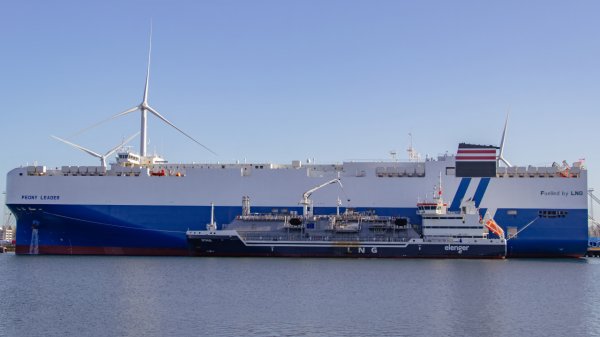
FuelEU pooling drives surge in bio-LNG demand, Titan analysis finds
Clean fuel supplier's modelling shows pooling mechanism turning overcompliance into tradable value for LNG-fuelled ships. |
|
|
|
||
|
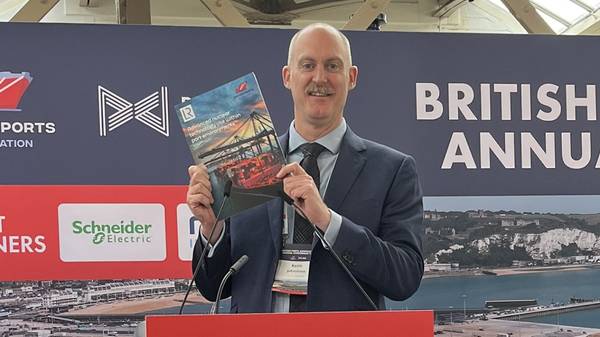
Ports told to prepare now for advanced nuclear power
Joint paper sets out a readiness pathway for ports facing nuclear-powered vessels, floating reactors and small modular units |
|
|
|
||
|
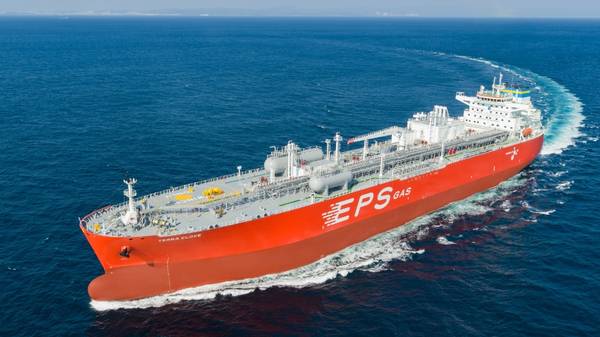
Eastern Pacific Shipping takes delivery of first ammonia dual-fuel VLAC
Terra Clove powered by first Everllence B&W 6G60ME-C10.5-LGIA ammonia dual-fuel two-stroke engine. |
|
|
|
||
|
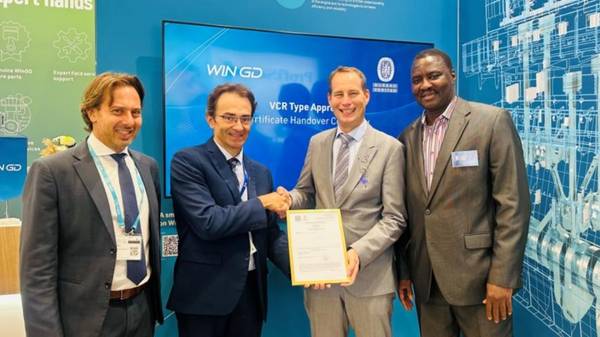
Bureau Veritas approves WinGD's variable compression ratio technology for dual-fuel engines
Classification society grants type approval to engine technology enabling compression ratio adjustment across different marine fuels. |
|
|
|
||
| Air Liquide and Vopak to collaborate on ammonia project in Singapore [News & Insights] |
| Wärtsilä launches Ammonia Fuel Supply System [News & Insights] |
| Bunker Holding and NeoGreen Hydrogen sign MoU for green ammonia and synthetic fuels [News & Insights] |
| KEYS Azalea completes 100th LNG bunkering operation in western Japan [News & Insights] |
| Port of Santos moves to regular ethanol bunkering for ships [News & Insights] |
| Bureau Veritas approves WinGD's variable compression ratio technology for dual-fuel engines [News & Insights] |
| Dual-fuel fleet passes 500 ships as investment tops $200bn [News & Insights] |
| Safe Bulkers takes delivery of first dual-fuel methanol Kamsarmax newbuild [News & Insights] |