Tue 4 Sep 2018, 12:03 GMT

ExxonMobil launches 'Journey to 2020' symposium series


Sessions to provide essential guidance on fuels, cylinder oils and safe and efficient vessel operation.


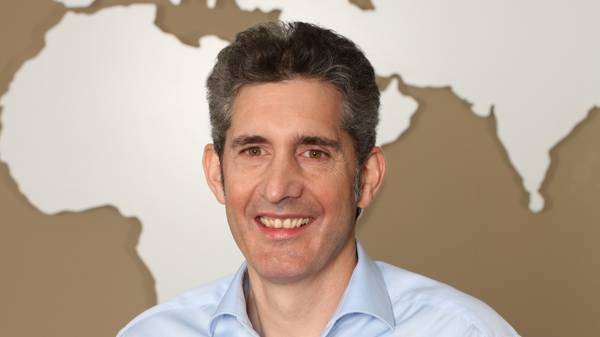
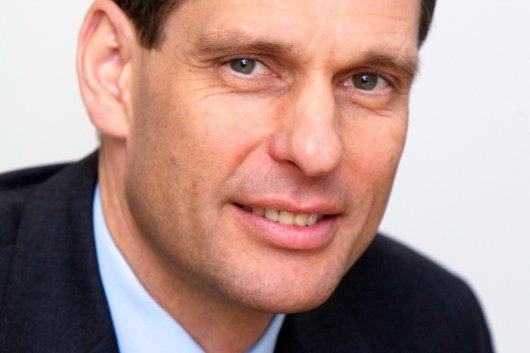
Iain White, global field engineering manager at ExxonMobil Marine.
Image credit: ExxonMobil
ExxonMobil is holding a series of 'Journey to 2020' symposiums around the world to help marine operators optimise vessel performance in readiness for the International Maritime Organization's (IMO) 0.50 percent global cap on fuel sulphur content in 2020.

The events are designed to provide essential insights and help on fuels options and choosing appropriate cylinder oils, for safe and efficient vessel operation.

The first symposium is scheduled to be held at the Equinox Complex in Singapore, on October 26, followed by events in Hong Kong, Taipei, Athens, Tokyo, Imabari, Copenhagen and Hamburg, with the series continuing into the first quarter of 2019.

While ExxonMobil anticipates that the vast majority of the industry will initially choose low-sulphur fuels, the bunker supplier also acknowledges that there is no single route to compliance.

The 'Journey to 2020' symposiums will enable operators to discuss the most practical compliance choices with ExxonMobil's team of experts.

ExxonMobil notes that the events will also provide operators with the opportunity to explore the cylinder oil options that best fit their fuel choices.

"For the majority of vessels bunkering a 0.50 percent sulphur fuel, a 40 BN cylinder oil will be the best choice. Vessels fitted with scrubbers will continue to burn HFO and will solely use a high BN alternative," ExxonMobil observed.

ExxonMobil notes that options will be available for low-sulphur distillates, such as marine gas oil (MGO); new low-sulphur fuels; premium Emission Control Area (ECA) fuels; the continued use of high-sulphur fuel oil (HSFO) in conjunction with a scrubber; and liquefied natural gas (LNG).

"The 2020 sulphur cap will fundamentally change how the marine industry operates," said Iain White, Global Field Engineering Manager, ExxonMobil Aviation and Marine Lubricants. "Our symposiums will share essential information and guidance to help the marine industry safely and effectively comply with the changing emissions regulations. Backed by our extensive marine industry knowledge and expertise, operators should expect insights, advice and the opportunity for in-depth discussion with our teams to help them make the most informed choices possible ahead of 2020."

To find out more about the 'Journey to 2020' symposiums and to register for a place, please contact your ExxonMobil representative.

UEC60LSJ ammonia-fuelled engine render. J-ENG secures orders for four ammonia-fuelled engines under Japanese PCTC project  

Vessels form part of plan to build four ammonia-fuelled car carriers, a dedicated bunkering vessel and supply chain.

Hanwha Power receives ABS AiP for battery-powered containership design. ABS grants AIP to Hanwha Power for 1,700-TEU battery-powered container ship  

Design uses roughly 151 MWh of swappable battery storage for fully electric propulsion on a container vessel.

Peter Krahenbuhl, WinGD. WinGD signs first licence deal with HD Hyundai Marine Engine to expand Korean production  

Mid-bore engine portfolio gains new production route into Korea's bulk carrier and tanker newbuild markets.

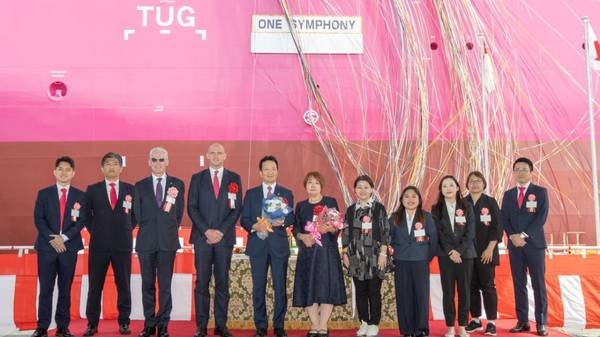
ONE Symphony naming ceremony. Ocean Network Express names ammonia- and methanol-ready newbuild ONE Symphony  

Vessel features conventional diesel main engine, with concept designs approved for possible future conversion to methanol or ammonia.

Sing Fuels logo. Sing Fuels seeks Asia-based supply trader to bolster bunker procurement team  

Singapore bunkering firm is recruiting a supply trader to manage marine fuel purchasing across Asia.

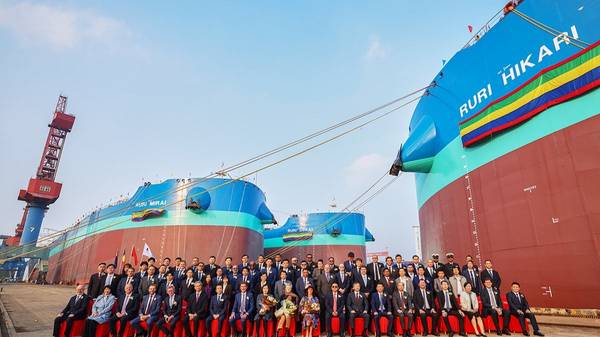
MOL joint naming ceremony. MOL names world's first ammonia-fuelled Capesize bulk carriers  

Naming of Ruri Mirai, Ruri Sekai and Ruri Hikari signals ammonia's arrival as a marine fuel for large bulk carriers.

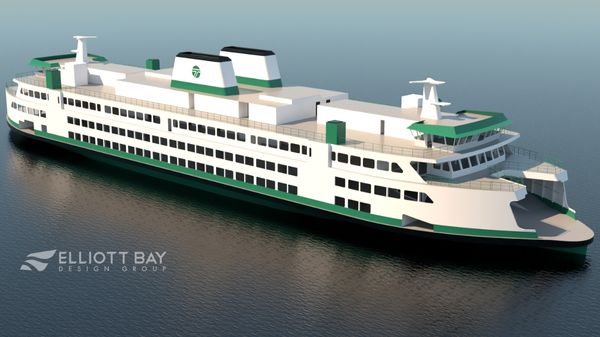
Washington State Hybrid-Electric 160-Auto Ferry vessel render. ABB wins Washington State Ferries' third hybrid-electric vessel order  

ABB extends its role in the US ferry operator's electrification programme, which targets emission-free operations by 2050.

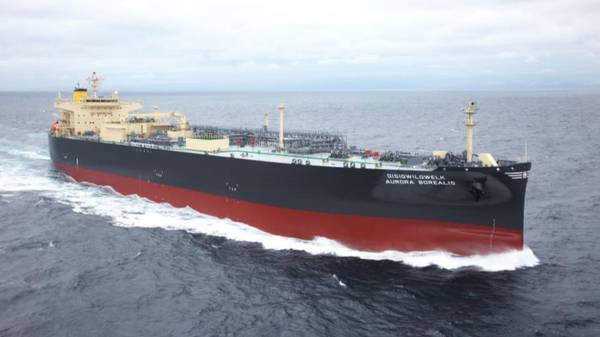
Aurora Borealis vessel. Kawasaki Heavy Industries delivers LPG-fuelled carrier Aurora Borealis  

Ship could also be modified in future to allow for ammonia-fuelled operation.

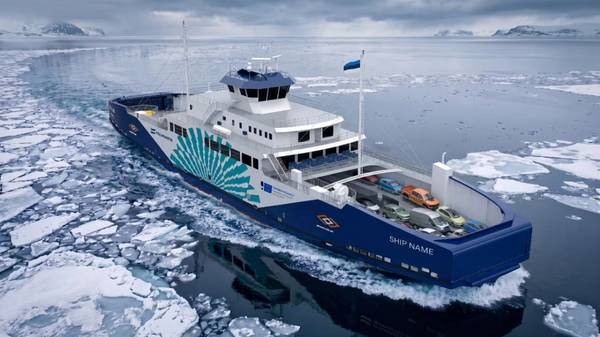
Rendering of Estonia's first shore-charged electric ferry. Estonian State Fleet's shore-charged electric ferry completes model testing in Germany  

Hull and propulsion tests show the vessel's energy consumption remains within contracted limits with room to spare.

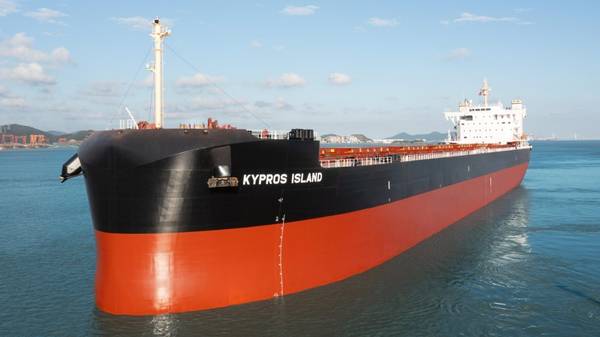
Kypros Island vessel. Tsuneishi delivers first methanol dual-fuel Kamsarmax bulk carrier from Chinese yard  

Shipbuilder claims progress towards establishing a mass-production system for vessels designed to reduce environmental impact.