Thu 15 Sep 2016, 11:18 GMT

Consortium to develop fuel performance monitoring software


Technology will be designed to help operators reduce fuel consumption and cut costs.


BAE Systems is leading a consortium of technology suppliers to develop software that monitors the equipment, fuel and energy performance of a ship, providing real time information that is designed to help the UK's Royal Navy and commercial organisations better manage their fleets.

Building on the company's expertise in supporting Royal Navy vessels, the technology known as Ship Energy Assessment - Condition Optimisation & Routing Enhancement System (SEA-CORES) analyses big data from the complex systems on board a ship to provide a live model of its performance wherever it is in the world. BAE Systems is leading the software development, working in partnership with the University of Southampton and technology suppliers to the shipping industry James Fisher and Sons plc, Fugro and OSISoft UK Ltd. The collaborative project is sponsored by Innovate UK.

BAE Systems is testing the technology on a commercial tanker provided by James Fisher and Sons plc in Northern Europe until the end of 2016 where it will be used to monitor the operational performance of the vessel at sea to inform the operator of potential efficiencies.

Chris Courtaux, Head of Engineering and Energy Services at BAE Systems, said: "This technology will provide the Royal Navy with valuable information that will enable it to make better decisions about how it operates the fleet. For instance, reducing speed may save fuel, but could increase the wear to the engine if it sails below its optimum speed.

"Providing real time data about the impact of such decisions can help the operator to reduce fuel consumption and minimise wear on the engine, helping to cut costs and increase the availability of the fleet to fulfil operational commitments around the world. The same technology is valuable for commercial companies looking for opportunities to boost the competitiveness of their operations."

SEA-CORES has been developed in response to the increasing complexities of modern warships and the amount of data their systems produce. The technology analyses the vibration and trim performance of the vessel, its hull and superstructure state together with environmental conditions such as weather and associated ship performance characteristics, including energy consumption. The software works in collaboration with existing BAE Systems technologies Ship Energy Assessment System (SEAS) and System Information Exploitation (SIE) technology, connecting fuel and engine optimisation to model the relationships between the different ships systems. Using genetic algorithms, it then recommends strategies to optimise the vessel's performance.

BAE Systems says the technology could transform how the Royal Navy and BAE Systems maintain and support warships in the future and that the information provided could also influence future iterations of ship designs.


Ardmore Shipping logo. Ardmore Shipping posts 14% fleet emissions reduction in 2025 sustainability report  

Ardmore Shipping’s annual sustainability report highlights emissions cuts, safety gains and governance rankings across its tanker fleet.

Peter Keller, SEA-LNG. SEA-LNG mid-year review points to continued growth across methane pathway as coalition marks tenth anniversary  

LNG orders, bunkering volumes and biomethane production all rise as SEA-LNG gains IMO consultative status.

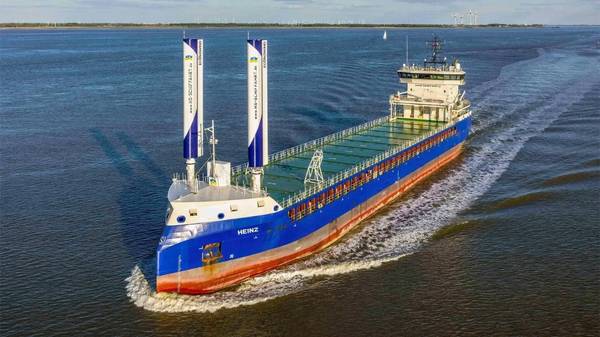
Heinz vessel. Econowind receives DNV type approval for VentoFoil 3-Series wind propulsion wing  

DNV certification set to streamline integration of VentoFoils on classed vessels worldwide.

Wärtsilä ammonia engine Wärtsilä to supply ammonia engines and propulsion systems for two Navigator Amon gas carriers  

Mid-size LPG/liquid ammonia carriers will be equipped with Wärtsilä’s ammonia-fuelled auxiliary engines.

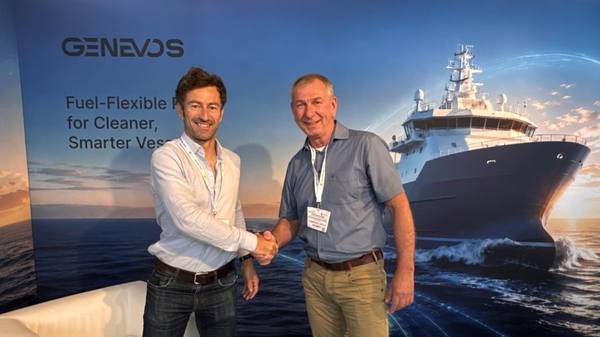
Phil Sharp and Toon Muhlheim. Genevos and Koedood Marine Group sign LOI to explore hydrogen fuel cell deployment  

Two companies to collaborate on the use of hydrogen fuel cell systems for inland and coastal maritime transport.

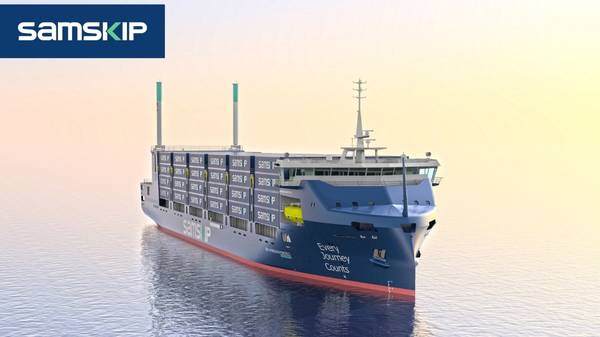
Samskip SeaShuttle vessel render. Samskip brings SeaShuttle project into European HyShip initiative to develop liquid hydrogen infrastructure  

Two hydrogen-powered container vessels will operate between Rotterdam and Oslo from 2027.

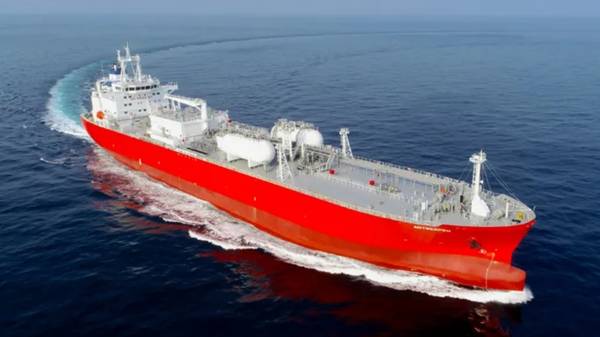
Antwerpen vessel. Korea Register and HD Hyundai team up to advance ammonia-fuel shipping in South Korea  

Two organisations are cooperating on eco-friendliness verification for ammonia dual-fuel vessels.

Fabio Cococcetta, WinGD. Green ammonia could become the first commercially viable zero-emission marine fuel, WinGD study suggests  

Joint report by WinGD and Envision Energy sets out the economic case for green ammonia.

Rasul Shirinov, Oilmar. Oilmar appoints junior marine fuels trader at Dubai trading desk  

UAE-headquartered bunker firm hires Rasul Shirinov, with a background in the agricultural sector.

Antonia Maersk vessel. Maersk bunkers large dual-fuel vessel with 100% ethanol in Barcelona  

Ocean carrier scales up ethanol bunkering in bid to broaden its low-emission fuel strategy.