Wärtsilä says it has developed propulsion systems that are capable of operating with
Environmentally Acceptable Lubricants (EALs) and comply with the US Vessel General Permit 2013 (VGP 2013). Wärtsilä is among the first marine propulsion solutions suppliers to achieve this compliance for complete propulsion packages.
For vessels operating in US waters, VGP-2013 mandates the use of EALs in all oil-to-sea interfaces unless technically unfeasible. VGP-2013 was issued by the US Environmental Protection Agency (EPA) and is applicable to all vessels sailing in US coastal waters.
Wärtsilä began work on developing an effective solution in 2013, working together with numerous EAL suppliers. EALs have since been extensively tested with Wärtsilä steerable thrusters at the Wärtsilä Propulsion Test Centre in Tuusula, Finland. Wärtsilä says that this testing has provided it with a "deep technical understanding of the EAL impact on marine propulsion systems".
To make the company's propulsion systems EAL compatible, product modifications have been made to various elements, including the seals, hydraulics and oil monitoring systems. Wärtsilä says it has acquired detailed specification knowledge of adapting full hydraulic systems to make them EAL compatible, as well as comprehensive experience of the impact of EAL compliance on seals. Wärtsilä has also obtained full intellectual property rights on the newly developed flushed hub solution.
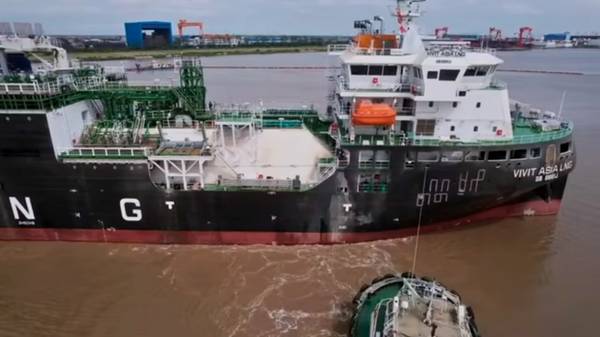
The first vessels to be fitted with Wärtsilä's VGP-2013 compliant propulsion package are four BigRoll MC-class module carriers currently under construction at the COSCO shipyard in Dalian, China. The four state of the art MC-class vessels (DP2 prepared, flush deck, 1A ice class and high service speed) will be operated by BigRoll Shipping for large module transportation services for offshore and onshore projects. The propulsion equipment are to include Wärtsilä main engines, Wärtsilä tunnel thrusters (WTT) and Wärtsilä controllable pitch propeller systems (WCPs).
"The four 173-metre-long module carriers will be used for serving onshore energy projects and offshore transportation requirements for which excellent dynamic positioning capability is needed and for which the vessels are prepared. The vessels' design emphasises high ballasting capacity, low fuel consumption, high service speed and excellent sea-keeping behaviour, meaning lower acceleration forces on the cargo," Wärtsilä explained.
VGP-2013 compliancy is available for new built installations. For existing sailing installations, Wärtsilä says it can perform a feasibility study for each particular vessel and that in many cases it is possible to change the propulsion installation to a VGP-2013-compliant system.
Arto Lehtinen, Vice President, Propulsion, Wärtsilä Ship Power, said: "Wärtsilä is once again proud to demonstrate its technical leadership with this breakthrough compliance with important US legislation. Vessels with VGP 2013-compliant Wärtsilä propulsion solutions will be allowed to operate freely in US coastal waters, as the environmentally advanced systems eliminate the possibility of mineral oil spills into the sea."
Image: BigRoll vessel.