Wärtsilä has confirmed that it has received the order to supply complete main propulsion systems for six new chemical tankers. The ships are being built at the
Hudong-Zhonghua Shipbuilding Group yard in
China on behalf of
Stolt Tankers B.V., the operator of one of the world's largest chemical tanker fleets and a unit of
Stolt-Nielsen Ltd. There is an option for a further two vessels.
The Wärtsilä propulsion packages include Wärtsilä RT-flex50 2-stroke engines, controllable pitch propellers with a tunnel gearbox and shaft generator, and oily water separators. Deliveries of the equipment are scheduled to begin in the summer of 2014.
"By being able to have the complete propulsion packages delivered from a single supplier, efficient integration of the various systems is ensured. Importantly, the combination of a 2-stroke engine and shaft generator requires optimal co-ordination between the engine controls and the propulsion controls, which is significantly facilitated by having all systems supplied and delivered from the same source. Furthermore, with complete propulsion packages coming from one supplier, the risks of costly building delays caused by multi-supplier deliveries can be avoided," Wärtsilä said.
"Optimal functionality of the vessels' propulsion is made possible by Wärtsilä's highly efficient complete package capability, which results in top performance with excellent reliability. The owners and the yard have specified the highest possible efficiency to keep fuel costs down with the lowest possible pressure pulses to safeguard a high comfort level on board for the crew, and Wärtsilä has consistently demonstrated its ability to meet this demand," commented Mr
Aaron Bresnahan, Vice President Sales, Wärtsilä Ship Power.
"These ships have been designed to deliver substantial improvements in fuel efficiency, and are expected to consume significantly less fuel compared with existing parcel tankers," remarked
Niels G. Stolt-Nielsen, CEO of Stolt-Nielsen Limited.
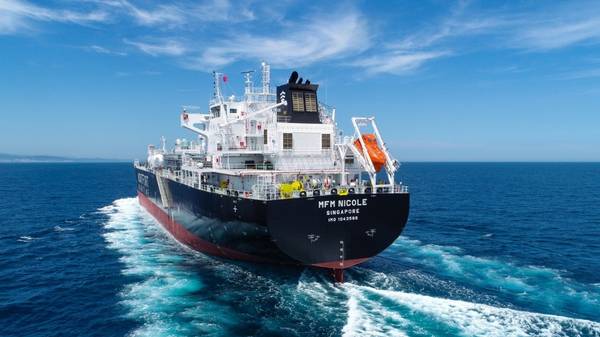
Each of the tankers will be 185 meters in length, with a 32.26-metre beam and will have 43 stainless steel tanks with a total volume of 44,000 cubic meters. The ships will have IMO I, II and III capabilities and will be able to handle the full range of difficult-to-handle cargoes that Stolt Tankers carries.
The first of the new 38,000 deadweight ton (dwt) tankers is expected to be delivered in December 2015.