Finnish solutions and services provider,
Wärtsilä, has been contracted by
TT-Line, the German-Swedish ferry operator, to retrofit an exhaust gas cleaning system to its Ro-Pax vessel, the
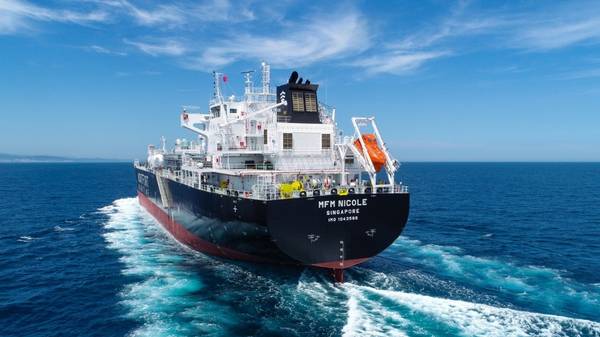
M/S Robin Hood [pictured], as part of TT-Line's Green Ship strategy.
The full turnkey project will be managed by Wärtsilä. The contract was signed in October 2013 and delivery and installation will take place during summer 2014.
The vessel will be fitted with four Wärtsilä Hybrid Scrubber Systems designed to reduce sulphur oxide (SOx) and particulate emissions from the ship's exhaust. The ferry operates in the Sulphur Emission Control Area (SECA) between
Travemünde, Germany and
Trelleborg, Sweden. The Wärtsilä systems will enable compliance with the SECA regulations, as well as with anticipated future legislation.
Wärtsilä's turnkey delivery responsibility covers full engineering, pre-fabrication, installation, classification, project management, and construction site management.
Commenting on the agreement,
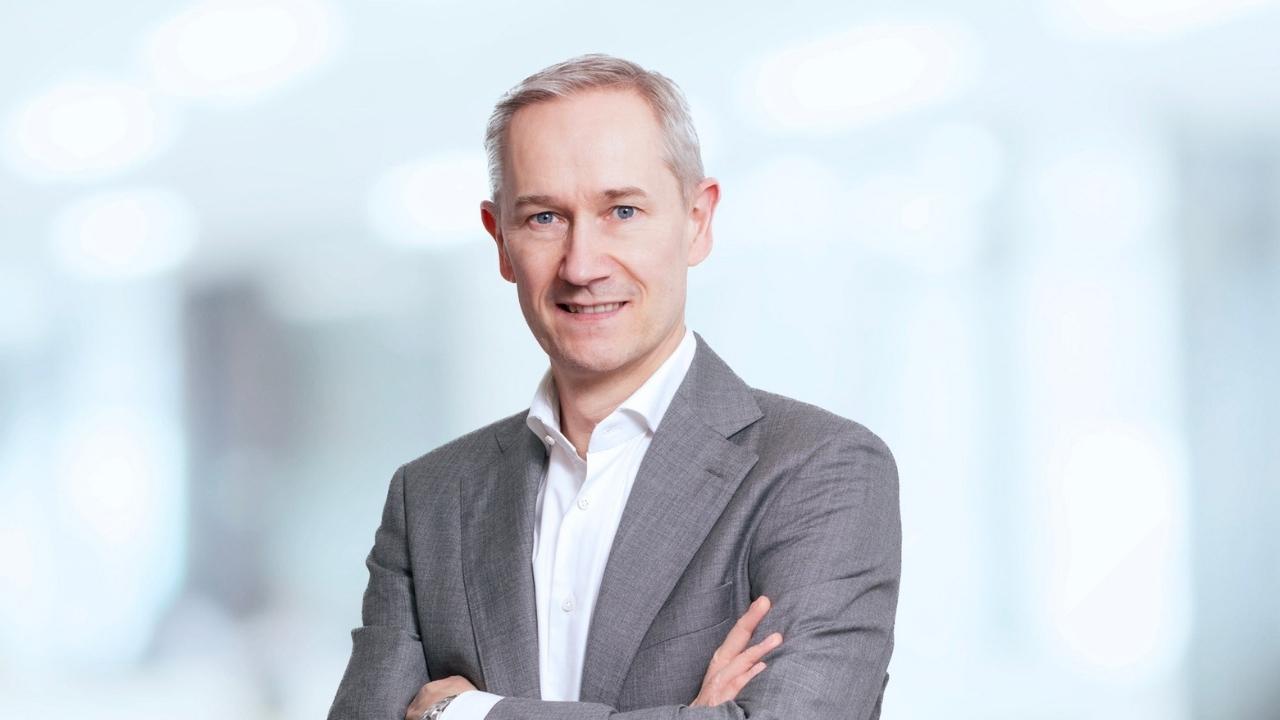
Hannes Conzen, CEO of TT-Line, said: "Environmental responsibility is a key element in TT-Line's Green Ship strategy. The pilot installation of Wärtsilä exhaust gas cleaning systems on the M/S Robin Hood is a significant step towards our goals in this respect. The retrofit project is co-financed by the European Union through the TEN-T MOS "Green Bridge on Nordic Corridor" project. We see advantages in Wärtsilä's turnkey supply, and we will benefit from having one single point of contact for the entire project."
Leonardo Sonzio, Director, Retrofit, Environmental Solutions, Wärtsilä Ship Power, remarked: "We are delighted to have concluded this agreement with TT-Line. This contract is an important confirmation of the validity of our strategy and is indicative of the market confidence in Wärtsilä's retrofit capabilities. This is the first retrofit project for a large Ro-Pax ship where we are taking the full Engineering Procurement and Construction responsibility."
The Wärtsilä Hybrid Scrubber System
The system operates in either an open loop or closed loop mode using seawater to remove SOx from the exhaust. When operating in open loop, exhaust gases enter the system and are sprayed with seawater. The sulphur oxides in the exhaust react with the water to form sulphuric acid. Chemicals are not required since the natural alkalinity of seawater neutralizes the acid. When operating in closed loop, the natural alkalinity of seawater is boosted by an alkali.
Wash water from the system is treated and monitored at the inlet and outlet to ensure that it conforms to all applicable discharge criteria. It can then be discharged into the sea with no risk of harm to the environment.