
|
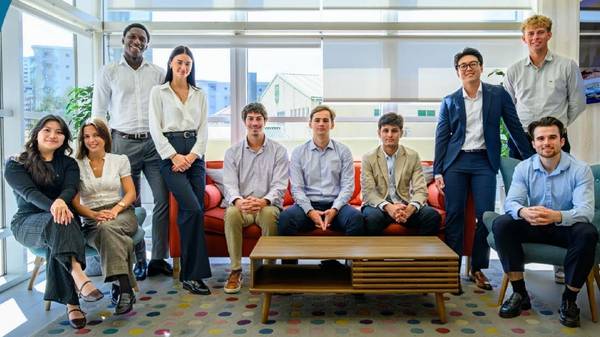
Peninsula welcomes 2026 graduate cohort across global bunkering network
Bunker firm brings new graduates into roles spanning Houston, Singapore, Gibraltar, Monaco and Las Palmas. |
|
|
|
||
|
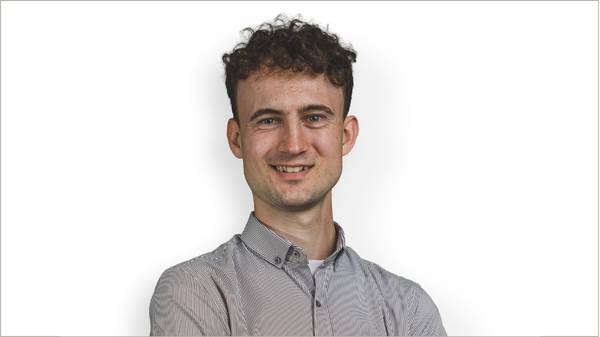
Malik Supply appoints Mathias Krogsgård as bunker trader
Danish bunker firm adds trader with export and technology background to growing team. |
|
|
|
||
|
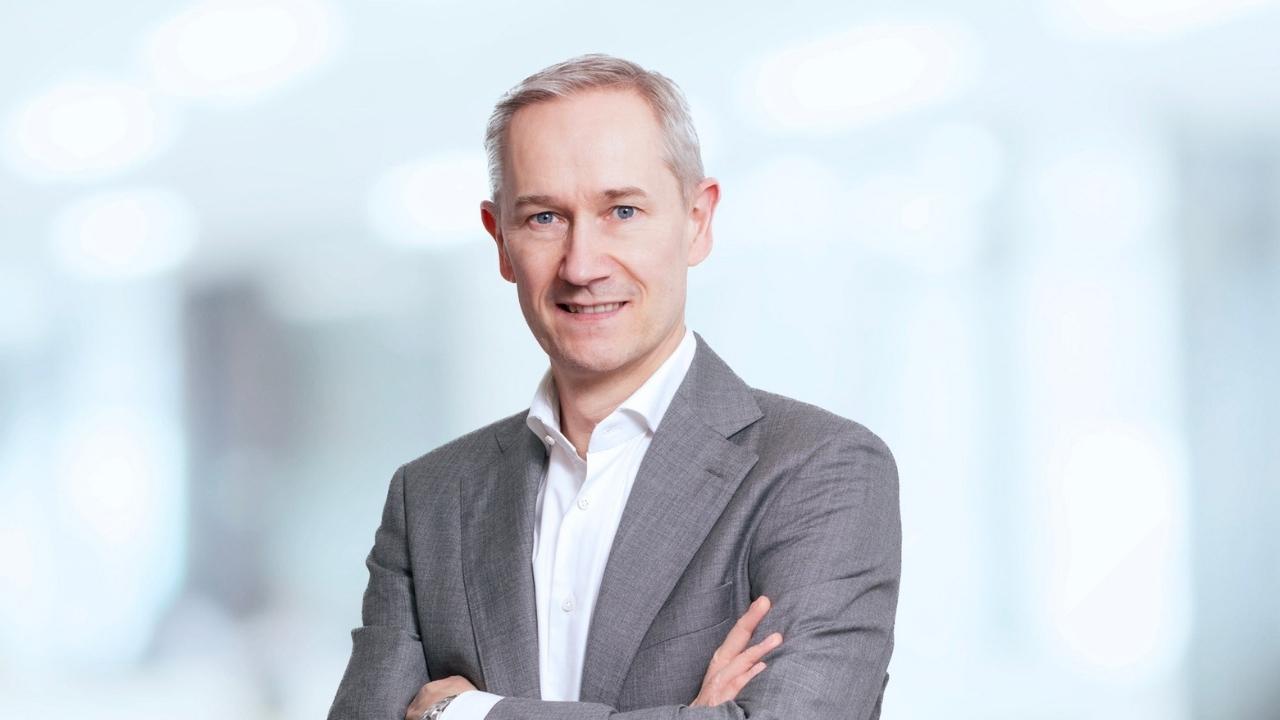
Biofuel adoption in shipping shifts from debate to delivery, says Peninsula's Jeroen de Vos
Marine biofuels have moved from pilot projects to routine fuel strategy, argues IBIA vice-chair. |
|
|
|
||
|
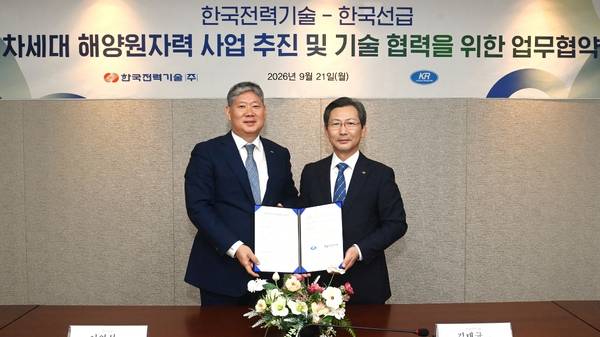
KEPCO E&C and Korean Register of Shipping to collaborate on marine SMR development
Korean firms to develop technical standards and certification pathways for the BANDI offshore small modular reactor. |
|
|
|
||
|
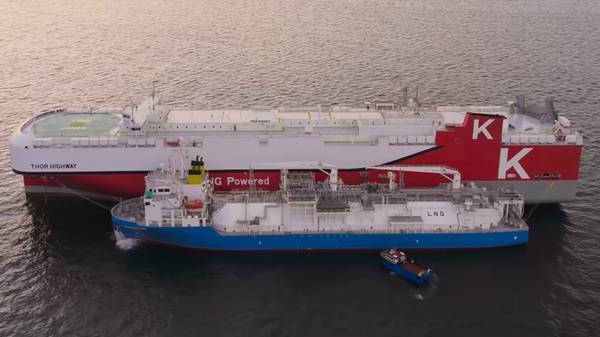
Peninsula completes first LNG bunkering operation at Sagunto
Levante LNG bunkering vessel supplies K Line car carrier in landmark delivery. |
|
|
|
||

|
India and EU sign letter of intent for green shipping corridor coalition
India's Ministry of Ports, Shipping and Waterways and EU partners have agreed to develop green ammonia and methanol trade links. |
|
|
|
||
|
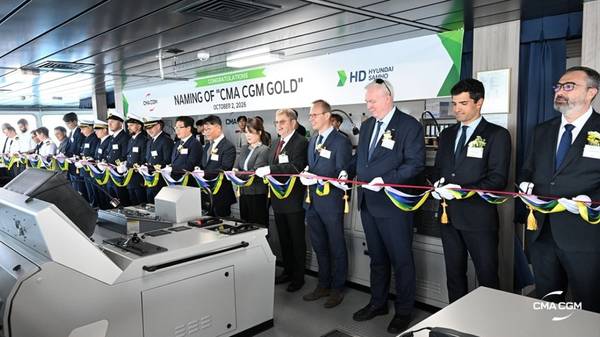
CMA CGM takes delivery of methanol dual-fuel newbuild
13,000-TEU CMA CGM Gold uses conventional fuels as well as alternative fuels, including biomethanol and e-methanol. |
|
|
|
||
|
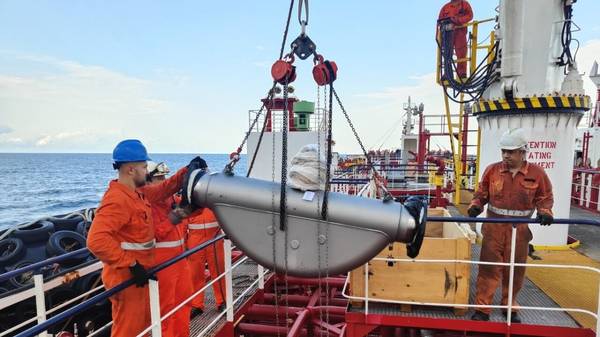
TFG Marine meets 2026 target to equip 90% of bunkering fleet with mass flow meters
Installation aboard the Storholmen takes MFM deployment across its global fleet to more than 90%. |
|
|
|
||

|
World Fuel seeks marine fuel sales executive in Singapore
Role requires more than five years' experience in bunkering, trading, energy or commodities. |
|
|
|
||
|
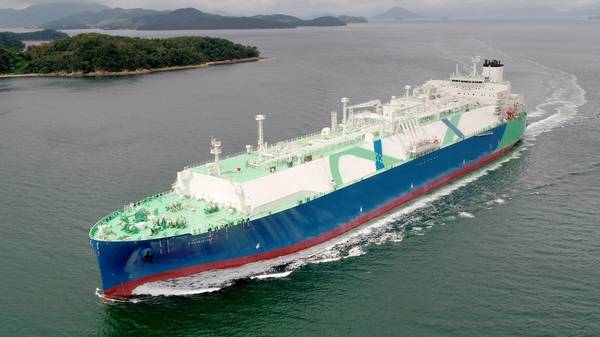
MISC names first of three new LNG carriers for QatarEnergy charter deal
Th'ailib, chartered to QatarEnergy for 15 years, extends MISC's long-term LNG fleet partnership with the energy producer. |
|
|
|
||
| Eco-ferry arrives in San Francisco [News & Insights] |
| Bunker course announced for 2009 [News & Insights] |
| California plans to raise carbon limits on fuels [News & Insights] |
| 'Cold ironing' launched in California [News & Insights] |
| Why batteries still cannot power ships across oceans [News & Insights] |
| Stena RoRo orders battery-ready E-Flexer 2.0 ferries from Chinese yard [News & Insights] |
| Baleària Canarias completes first truck-to-ship LNG bunkering for fast ferry at Tenerife [News & Insights] |
| MacGregor wins ro-ro equipment contract for TT-Line’s battery-hybrid LNG ferries [News & Insights] |
| ABB wins power, propulsion and automation contract for New Zealand’s new Cook Strait ferries [News & Insights] |

