
 |
The Maritime and Port Authority of Singapore (MPA) and Enterprise Singapore, through the Singapore Standards Council (SSC), have launched one new Singapore Standard (SS) and two Technical References (TRs) covering ammonia bunkering, bunker fuel sampling and testing for polymers in residual-based marine fuels.
Announced at the Singapore International Bunkering Conference and Exhibition (SIBCON) 2026, the organisations said the standards are intended to strengthen safety, consistency and fuel quality assurance for the bunkering industry as Singapore develops its capabilities for a multi-fuel future.
Ammonia bunkering code
TR 148:2026 Code of Practice for Ammonia Bunkering sets out requirements for the safe and efficient conduct of ammonia bunkering operations. These cover custody transfer, bunkering procedures, safety and personnel competency.
The document provides a common framework for bunker suppliers, bunker craft operators, shipowners and other industry stakeholders to plan and conduct ammonia bunkering.
Under the Singapore-Australia Green and Digital Shipping Corridor, MPA and the Pilbara Ports Authority are to work together to validate TR 148, sharing operational experience and relevant information from bunkering trials at their respective ports. MPA and Enterprise Singapore said the collaboration will help build practical experience and strengthen the standards and operational requirements needed to support the safe and scalable deployment of ammonia bunkering globally.
Bunker sampling standard
SS 730:2026 Code of Practice for Bunker Sampling sets out requirements for custody transfer sampling of ambient liquid marine fuels. These include Class F marine fuels, which are made from petroleum, synthetic and renewable sources, and methanol.
The standard provides common sampling procedures and safety requirements for bunker suppliers, bunker craft operators, bunker buyers and bunker surveyors, and it is intended to improve consistency in bunker delivery and fuel quality assurance.
Polymer test method
TR 155:2026 Test Method for Polymers in Residual Based Marine Fuels establishes a common method for testing for polystyrene, polypropylene and polymethyl methacrylate in residual-based marine fuels, including detection limits. It is designed to improve consistency in how these polymers are identified and strengthen fuel quality assurance.
Ang Wee Keong, Chief Executive of MPA, commented: "As shipping transitions towards a wider range of marine fuels, our bunkering standards and capabilities must evolve with it. These new standards will support the industry's transition and strengthen Singapore's ability to serve the bunkering needs of global shipping as new fuel pathways develop."
Choy Sauw Kook, Director-General (Quality & Excellence) at Enterprise Singapore, stated: "Standards are an important enabler of maritime decarbonisation, providing a common foundation for new fuels and practices to be adopted safely and consistently. As the marine fuel landscape evolves, TR 148, SS 730 and TR 155 extend this assurance across bunkering operations, fuel sampling and quality testing, including for emerging fuels such as ammonia. Together, they support Singapore's transition to a multi-fuel future and reinforce our position as a trusted global bunkering hub."
TR 148, SS 730 and TR 155 can be purchased from the Singapore Standards eShop.
|
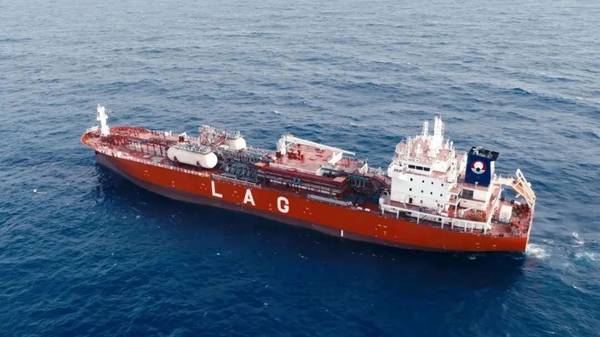
China delivers first domestically built ammonia-fuelled gas carrier
CCS-classed vessel becomes the world's second ammonia-fuelled gas carrier, testing rules for the IMO's zero-carbon shipping transition. |
|
|
|
||
|
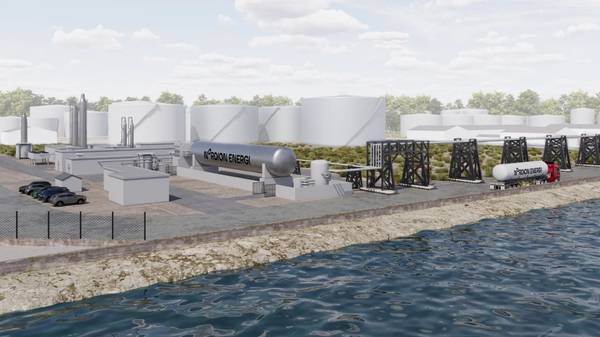
Storage tank installed as Gothenburg's LBG bunkering plant advances towards 2027 completion
Nordion Energi's liquefied biogas facility at the Port of Gothenburg takes a step forward with tank installation. |
|
|
|
||
|
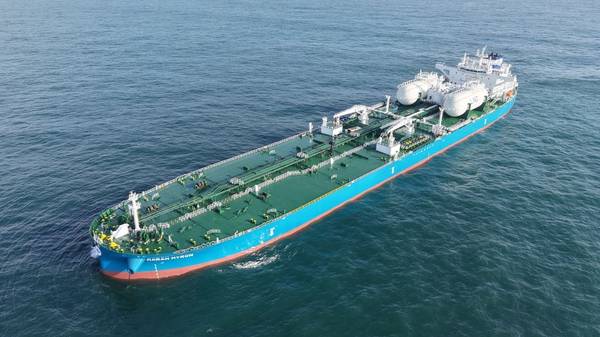
Maran Tankers takes delivery of dual-fuel Suezmax Maran Myron
Vessel is sixth dual-fuel tanker in eight-vessel series built by New Times Shipbuilding. |
|
|
|
||
|
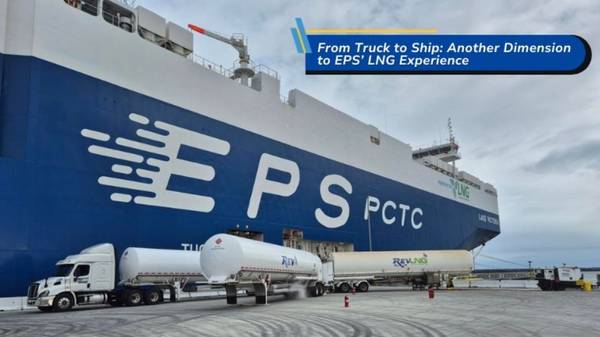
EPS completes first truck-to-ship LNG bunkering operation in Davisville
Fuel delivered to the pure car and truck carrier Lake Victoria whilst at berth. |
|
|
|
||
|
MPA opens applications for LNG floating storage unit licences
Singapore invites applications for up to two LNG floating storage unit licences to bolster bunkering supply resilience. |
|
|
|
||
|
Everllence's small-bore GenSet orders surpass 2,000 in 2026
Engine maker reports strong order intake across its small-bore portfolio, citing demand for reliable, fuel-flexible auxiliary power. |
|
|
|
||
|
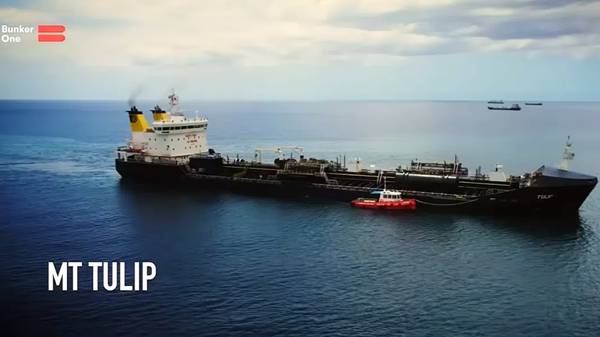
Bunker One renews MT Tulip charter, plans mass flow meter upgrade in Mauritius
Bunker One is keeping its bunker tanker in Mauritius while adding flow metering technology to improve delivery transparency. |
|
|
|
||
|
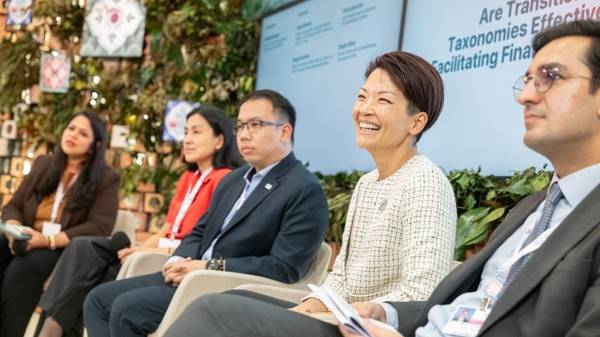
Fund for Energy Efficiency Technologies becomes first to adopt revised Singapore-Asia Taxonomy
FEET's adoption coincides with Lloyd's Register's independent review of GCMD's methodology for quantifying fuel savings from wind-assisted propulsion systems. |
|
|
|
||
|
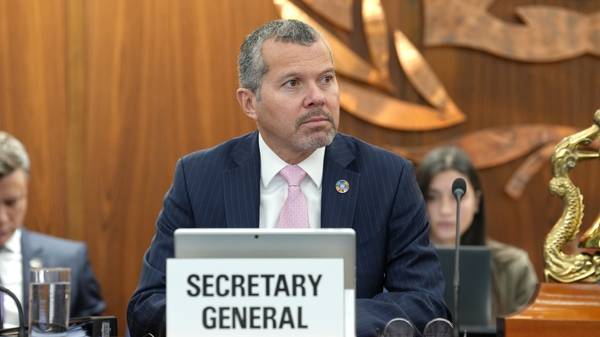
IMO chief urges states to enforce safety rules in Strait of Hormuz amid rising attacks
Arsenio Dominguez says more than 130 attacks on commercial vessels have been verified since February, with at least 25 seafarers killed. |
|
|
|
||
|
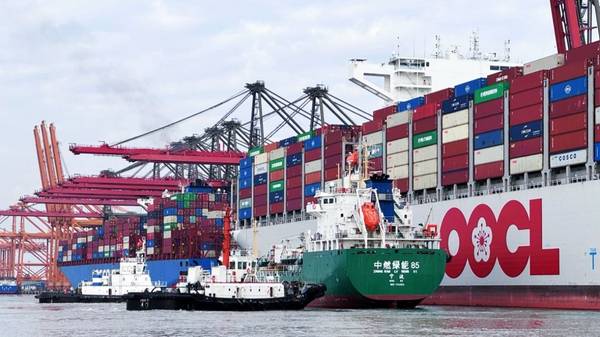
Xiamen Port launches 'green methanol bunkering' with OOCL Wisdom
Boxship received 1,005 tonnes of methanol, corresponding to a reduction of more than 1,600 tonnes in carbon emissions, says COSCO Shipping. |
|
|
|
||
| Xiamen Port launches 'green methanol bunkering' with OOCL Wisdom [News & Insights] |
| US Coast Guard agrees design framework for hydrogen-fuelled New York ferry [News & Insights] |
| Valenciaport launches tender for second substation to double port's power capacity [News & Insights] |
| EmissionLink urges EU to channel ETS revenues into shipping carbon capture trials [News & Insights] |
| VPS to host Athens seminar on fuel efficiency and carbon reduction [News & Insights] |
