
 |
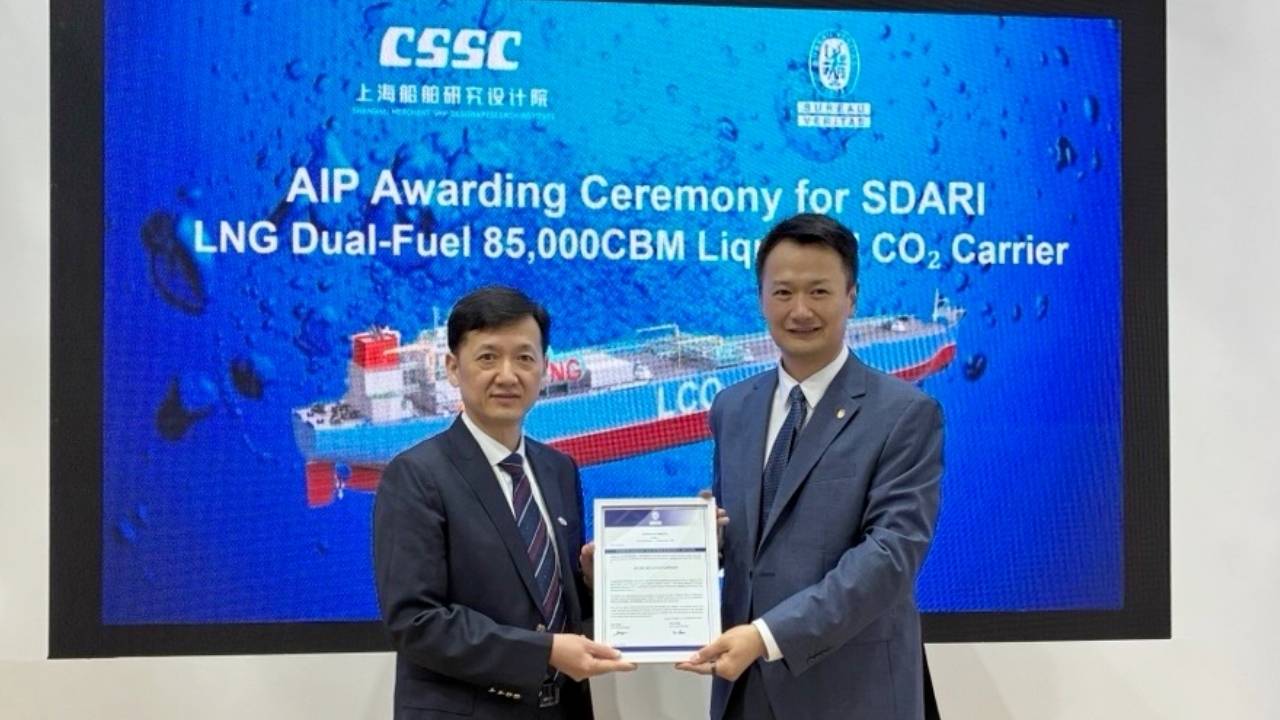
Bureau Veritas Marine & Offshore (BV) has awarded Approval in Principle (AiP) to an 85,000-cbm liquefied CO₂ carrier design featuring LNG dual-fuel propulsion, developed by CSSC Shanghai Merchant Ship Design & Research Institute (SDARI).
The design is said to incorporate an LNG dual-fuel propulsion and power system which delivers environmental performance benefits, reduced carbon emissions and operational efficiency, whilst also complying with IMO statutory regulations, applicable classification requirements and decarbonisation objectives.
The vessel features a low-pressure cargo containment system tailored for liquefied CO₂ transportation. BV notes the containment configuration is designed to reduce structural stress and manufacturing complexity while addressing risks associated with dry ice formation, two-phase flow fluctuations and pressure surges during cargo operations. This is intended to contribute to safety, operational stability and transportation efficiency across a range of marine operating conditions.
By combining LNG dual-fuel propulsion with the low-pressure cargo handling system, the design aims to offer benefits in energy efficiency, emissions reduction, operational safety and cargo adaptability. SDARI devised the concept to address demand for liquefied CO₂ transportation within the carbon capture, utilisation and storage (CCUS) value chain.
The design was developed in accordance with the International Code for the Construction and Equipment of Ships Carrying Liquefied Gases in Bulk (IGC Code), relevant IMO environmental regulations and applicable classification requirements. BV describes it as a technical solution for the large-scale, cost-effective marine transportation of liquefied CO₂, intended to support the development of the CCUS industry.
Jeffrey Guo, Marine & Offshore Asia Pacific Senior Vice-President at Bureau Veritas, commented: “As CCUS projects move towards commercial scale, the shipping industry will require robust and reliable solutions for liquefied CO₂ transportation. SDARI’s design addresses key operational challenges through its combination of LNG dual-fuel propulsion and low-pressure containment technology. We are pleased to grant Approval in Principle to this innovative concept and support the advancement of the emerging CO₂ shipping value chain.”
|
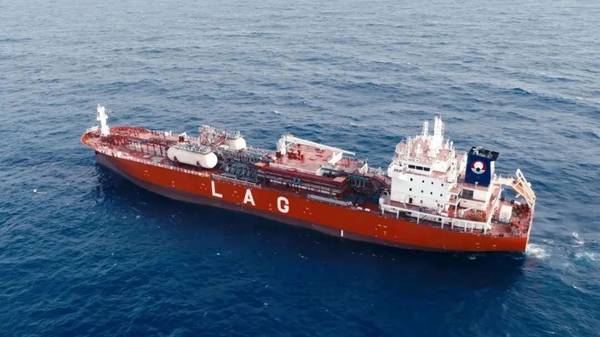
China delivers first domestically built ammonia-fuelled gas carrier
CCS-classed vessel becomes the world's second ammonia-fuelled gas carrier, testing rules for the IMO's zero-carbon shipping transition. |
|
|
|
||
|
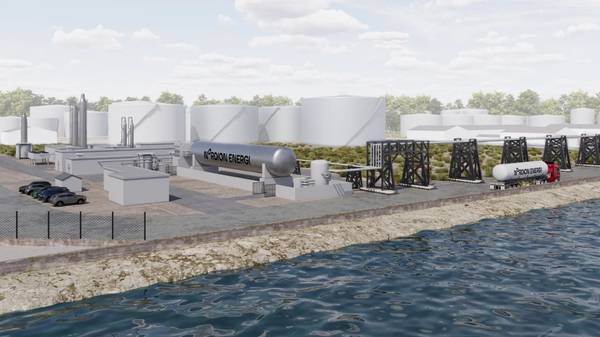
Storage tank installed as Gothenburg's LBG bunkering plant advances towards 2027 completion
Nordion Energi's liquefied biogas facility at the Port of Gothenburg takes a step forward with tank installation. |
|
|
|
||
|
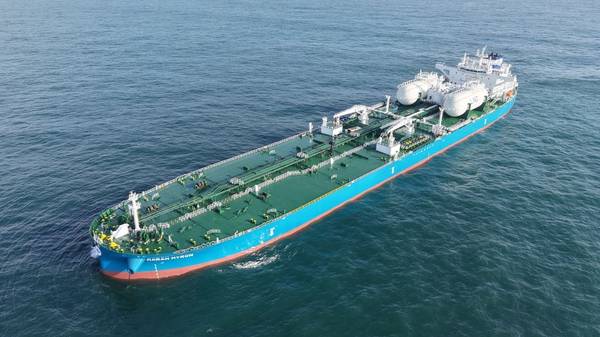
Maran Tankers takes delivery of dual-fuel Suezmax Maran Myron
Vessel is sixth dual-fuel tanker in eight-vessel series built by New Times Shipbuilding. |
|
|
|
||
|
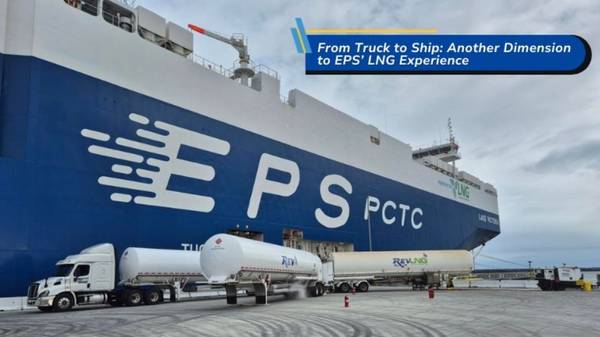
EPS completes first truck-to-ship LNG bunkering operation in Davisville
Fuel delivered to the pure car and truck carrier Lake Victoria whilst at berth. |
|
|
|
||
|
MPA opens applications for LNG floating storage unit licences
Singapore invites applications for up to two LNG floating storage unit licences to bolster bunkering supply resilience. |
|
|
|
||
|
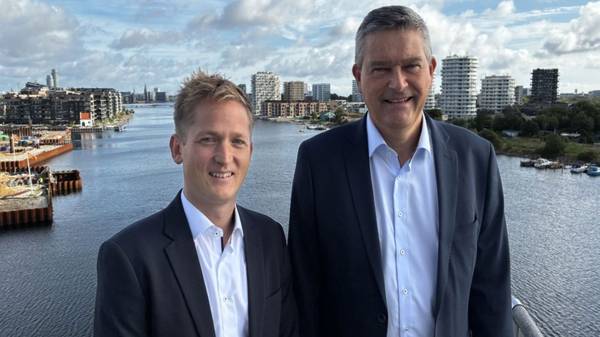
Everllence's small-bore GenSet orders surpass 2,000 in 2026
Engine maker reports strong order intake across its small-bore portfolio, citing demand for reliable, fuel-flexible auxiliary power. |
|
|
|
||
|
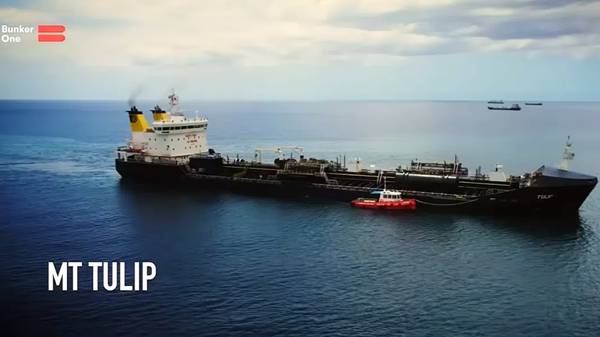
Bunker One renews MT Tulip charter, plans mass flow meter upgrade in Mauritius
Bunker One is keeping its bunker tanker in Mauritius while adding flow metering technology to improve delivery transparency. |
|
|
|
||

|
Fund for Energy Efficiency Technologies becomes first to adopt revised Singapore-Asia Taxonomy
FEET's adoption coincides with Lloyd's Register's independent review of GCMD's methodology for quantifying fuel savings from wind-assisted propulsion systems. |
|
|
|
||
|
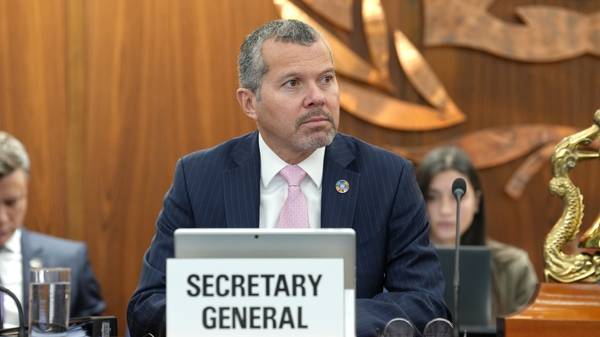
IMO chief urges states to enforce safety rules in Strait of Hormuz amid rising attacks
Arsenio Dominguez says more than 130 attacks on commercial vessels have been verified since February, with at least 25 seafarers killed. |
|
|
|
||
|
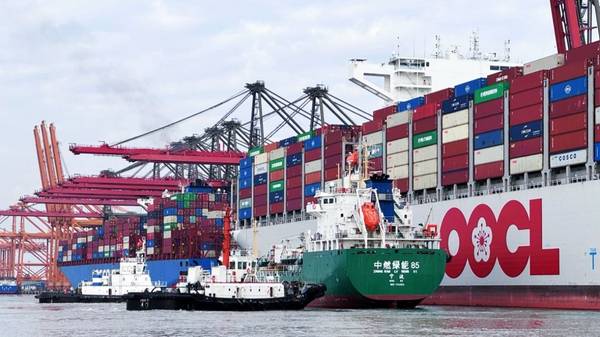
Xiamen Port launches 'green methanol bunkering' with OOCL Wisdom
Boxship received 1,005 tonnes of methanol, corresponding to a reduction of more than 1,600 tonnes in carbon emissions, says COSCO Shipping. |
|
|
|
||
| US Coast Guard agrees design framework for hydrogen-fuelled New York ferry [News & Insights] |
| Bureau Veritas marks naming of Union Maritime's wind-assisted Aframax tanker [News & Insights] |
| Breeze Ship Design wins contract for Union Vega Offshore's battery-hybrid PSVs [News & Insights] |
| Lloyd's Register, Shell and GTT launch joint project on hybrid-electric 200,000-cbm LNG carrier [News & Insights] |
| PaxOcean signs design contract with Ulstein for methanol-ready offshore wind vessel [News & Insights] |
