
 |
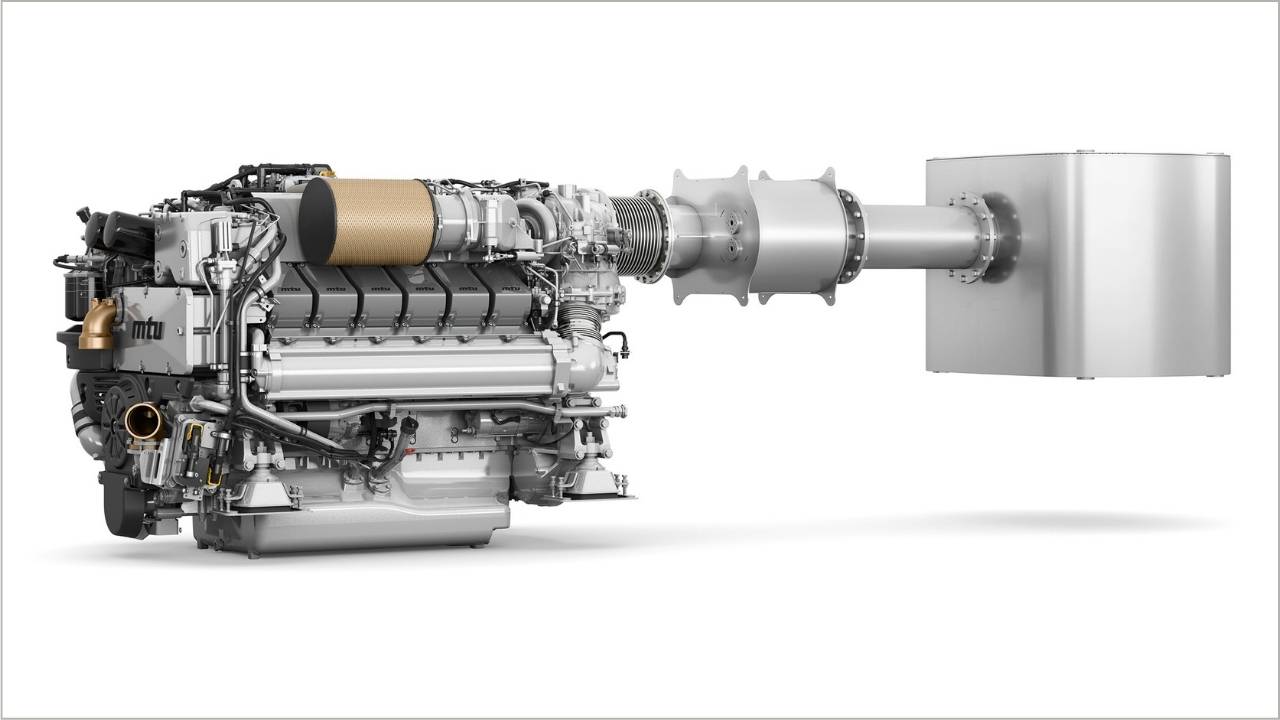
Rolls-Royce Power Systems has announced an expansion of its propulsion portfolio for yachts, introducing two new systems based on the mtu Series 2000 engine: standardised variable-speed gensets and a selective catalytic reduction (SCR) exhaust after-treatment system.
According to the company, the variable-speed gensets adjust engine speed to actual power demand, reducing fuel consumption and CO₂ emissions during operation by up to 15% compared with fixed-speed alternatives. The gensets are said to be suitable for battery-assisted marine applications, including use as range extenders.
Electrical outputs range from 650 to 1,850 kWe, and the compact, high-power-density design is intended to allow for flexible installation even in space-constrained engine rooms — including, it notes, configurations that enable a single-deck engine room layout.
The new SCR exhaust after-treatment system is being developed in collaboration with exhaust gas after-treatment specialist Eminox and is designed to extend the operating range of mtu Series 2000 engines into emission-regulated sea areas. According to Rolls-Royce, the system meets IMO Tier III requirements and reduces nitrogen oxides (NOx) emissions by 75% compared with IMO Tier II limits. The company states that the system is designed for a service life of up to 16,000 operating hours depending on load profile, requires no compressed air for dosing, and can be integrated into a range of vessel designs. Certification is under way.
The two products sit within what Rolls-Royce describes as its 'From Bridge to Propeller' approach — an integrated framework that combines propulsion systems, energy management and automation technologies under a single offering. This includes its mtu NautIQ Bridge technology, which is said to create a unified digital environment for managing energy flows, reducing emissions and increasing operational uptime.
Dr Lukas Köhler, Senior Vice President Global Marine & Mining at Rolls-Royce Power Systems, remarked: "Our aim is to offer shipyards and owners a comprehensive and future-proof range of solutions for yachts. This is not just about individual components, but about the optimal interaction of the systems on board to deliver greater performance, efficiency and lower emissions."
Rolls-Royce notes that the integrated approach is intended to reduce design and integration effort for shipyards by providing a coordinated solution from a single source, while also minimising interface risks.
Rolls-Royce Power Systems is headquartered in Friedrichshafen, Germany, and employs more than 10,350 people. The mtu brand covers high-speed engines and propulsion systems for marine, land, rail, defence and industrial applications.
|
Wind-assisted propulsion 'no longer just a concept', ICS panel says
Shipowners weigh wind power as a practical, low-risk route towards decarbonisation targets. |
|
|
|
||
|
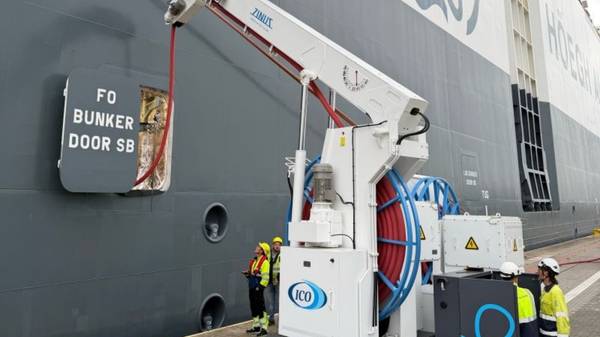
Höegh Autoliners vessel connects to shore power for the first time in Europe
Höegh Starlight used 11 kV shore power in Zeebrugge, allowing it to switch off its auxiliary engines while alongside. |
|
|
|
||
|
Chinese shipbuilder ROC signs deal for up to eight methanol-ready CSOVs
Contract signed with European shipowner for vessels designed for offshore wind farm maintenance work. |
|
|
|
||
|
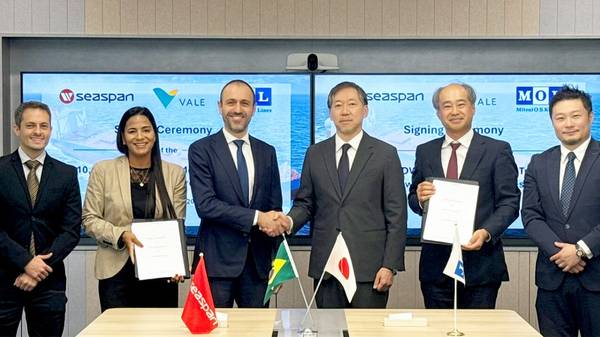
MOL and Vale sign 25-year deal for tri-fuel ore carriers
New vessels will be able to run on ethanol, methanol or heavy fuel oil, offering fuel flexibility. |
|
|
|
||

|
ScanOcean appoints Lars Malmbratt as senior commercial manager
Swedish firm strengthens commercial team with experienced industry executive based in Gothenburg. |
|
|
|
||
|
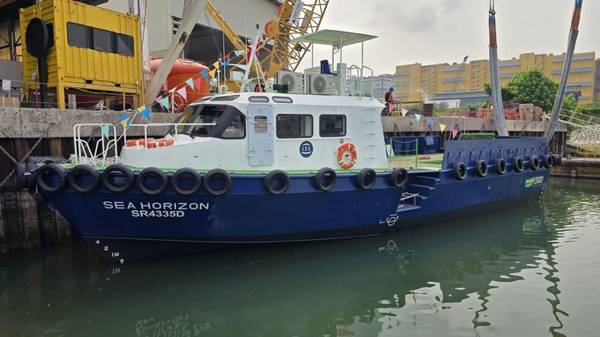
Pinnacle Marine launches second B100-compatible harbour craft for Les Star
Sea Horizon joins Singapore’s harbour craft fleet. |
|
|
|
||
|
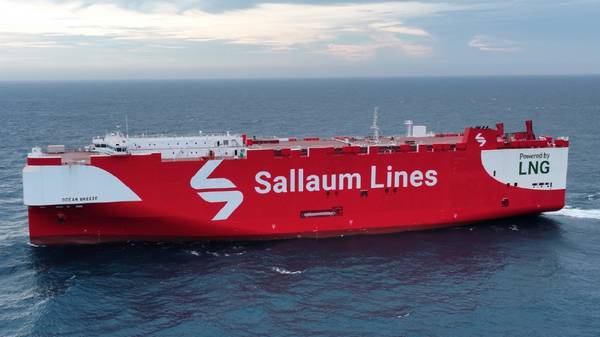
Sallaum Lines orders LNG-fuelled, ammonia-ready PCTCs from Chinese yards
Operator signs shipbuilding agreements for new generation of 8,600-CEU vessels, taking its newbuild investment past $1bn. |
|
|
|
||
|
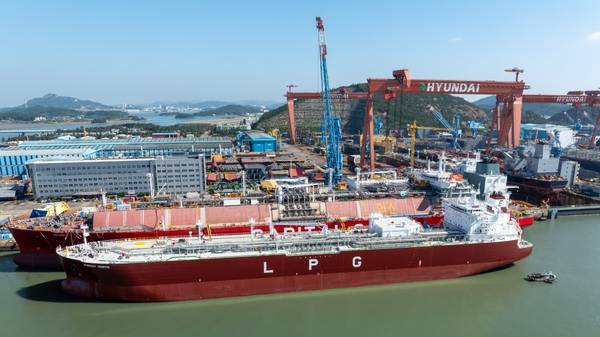
Nakilat takes delivery of dual-fuel carrier in South Korea
Ammonia-ready design positions vessel to play key role in future low-carbon energy supply chains, says Qatari firm. |
|
|
|
||
|
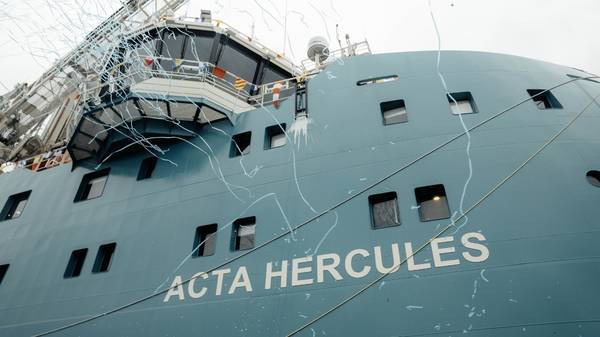
Acta Marine christens methanol dual-fuel vessel Acta Hercules in IJmuiden
Dutch operator marks the christening of its second newbuild CSOV. |
|
|
|
||
|
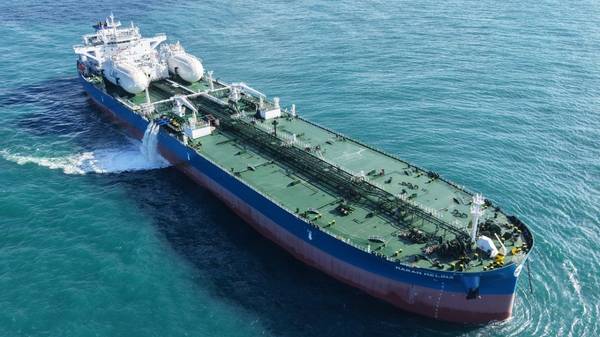
Angelicoussis Group takes delivery of fifth dual-fuel Suezmax tanker
Maran Tankers Management adds the 155,500-DWT Maran Melina to its fleet. |
|
|
|
||
| Pinnacle Marine launches second B100-compatible harbour craft for Les Star [News & Insights] |
| Petrobras launches HSFO bunker sales in Rio de Janeiro [News & Insights] |
| Changhong International launches eighth LNG dual-fuel container ship for MSC [News & Insights] |
| CSL and OWL launch first subsea rock installation vessel for offshore wind [News & Insights] |
| Portsmouth switches on UK’s first multi-berth shore power system [News & Insights] |
