
 |
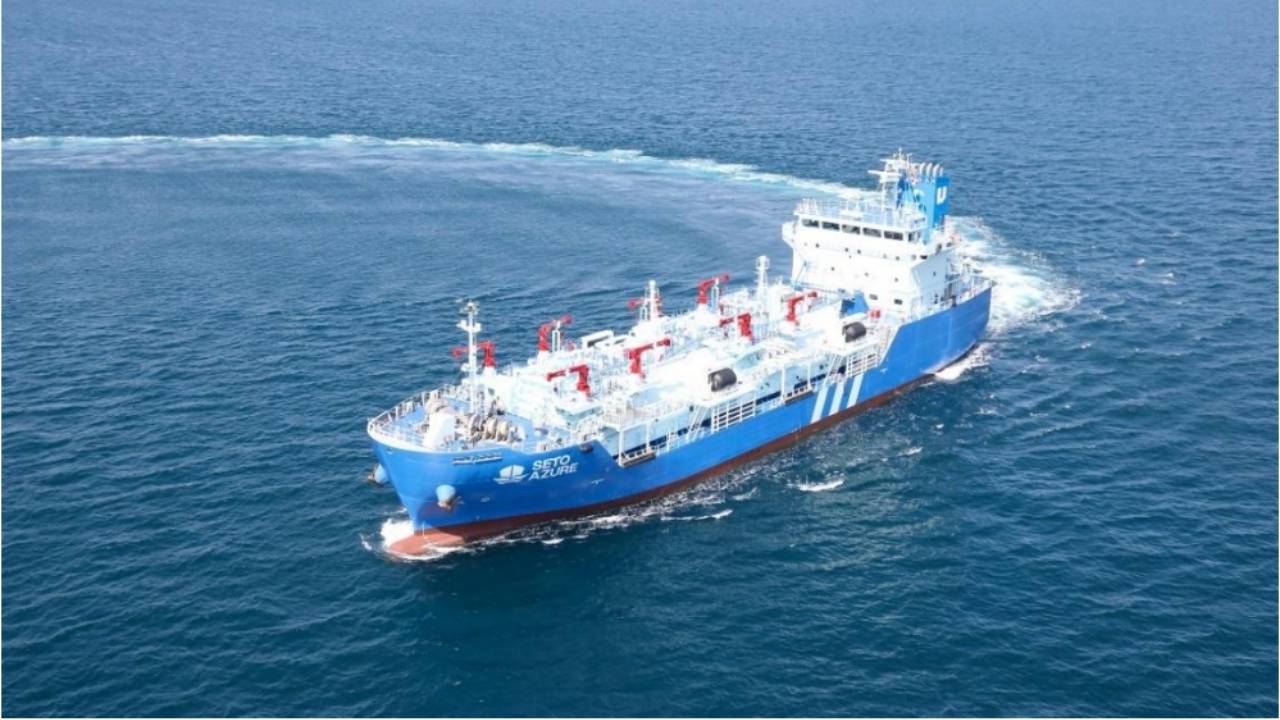
Osaka Gas has completed what it says is the first-ever ship-to-ship LNG bunkering operation in Osaka Bay, Japan, supplying LNG fuel to a pure car and truck carrier (PCTC) at the Port of Kobe.
The operation was carried out using Seto Azure, an LNG bunkering vessel owned by Osaka Bay LNG Shipping Co., Ltd., an affiliated company of Osaka Gas. The LNG fuel is said to have been supplied to an LNG-fuelled PCTC operated by an overseas shipping company, with the transaction facilitated through Singapore-based trader and broker Integr8 Fuels Pte Ltd.
Seto Azure was built by Shitanoe Shipbuilding Co., Ltd. and has a total length of 86.29 metres, a breadth of 17.60 metres, and a gross tonnage of approximately 4,350 tonnes. The vessel is fitted with an IMO Type C independent tank system with a capacity of approximately 3,610 cbm, and it uses an electric propulsion system based on an LNG/fuel oil dual-fuel engine.
According to Osaka Gas, ship-to-ship bunkering will help ensure a stable supply of LNG fuel in the Osaka Bay area and support the development of the Port of Kobe as a carbon-neutral port. The company already provides LNG fuel through truck-to-ship and port-to-ship bunkering, meaning it now has capabilities across all three major LNG bunkering modes.
The announcement comes amid broader growth in the uptake of LNG as a marine fuel. Data cited by Osaka Gas shows the number of LNG-fuelled vessels globally — excluding LNG carriers — has grown from 62 in 2015 to 869 in 2025, with projections pointing to 1,271 vessels by 2030.
Osaka Gas argues that LNG offers carbon dioxide emissions reductions compared with conventional fuel oil, and that the use of e-methane-based LNG and bio-LNG could enable further emissions reductions over the longer term. The company noted that LNG bunkering infrastructure in Japan remains insufficient, underlining the need to build out a stable fuel supply network to support wider adoption of LNG-fuelled vessels.
The move forms part of the Daigas Group Energy Transition 2050 plan, under which Osaka Gas is expanding its LNG bunkering services and promoting e-methane as part of its decarbonisation strategy across multiple sectors, including shipping.
|
Wind-assisted propulsion 'no longer just a concept', ICS panel says
Shipowners weigh wind power as a practical, low-risk route towards decarbonisation targets. |
|
|
|
||
|
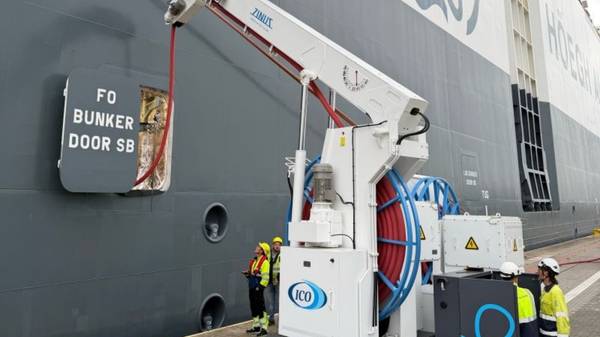
Höegh Autoliners vessel connects to shore power for the first time in Europe
Höegh Starlight used 11 kV shore power in Zeebrugge, allowing it to switch off its auxiliary engines while alongside. |
|
|
|
||
|
Chinese shipbuilder ROC signs deal for up to eight methanol-ready CSOVs
Contract signed with European shipowner for vessels designed for offshore wind farm maintenance work. |
|
|
|
||
|
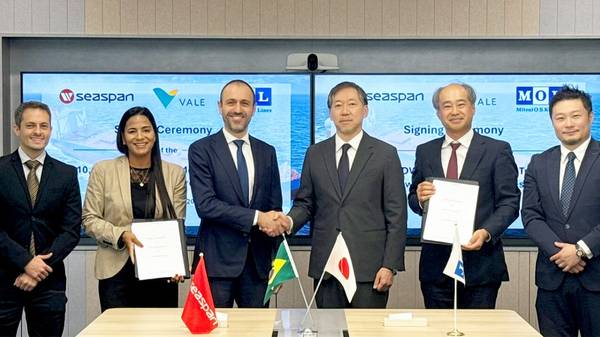
MOL and Vale sign 25-year deal for tri-fuel ore carriers
New vessels will be able to run on ethanol, methanol or heavy fuel oil, offering fuel flexibility. |
|
|
|
||

|
ScanOcean appoints Lars Malmbratt as senior commercial manager
Swedish firm strengthens commercial team with experienced industry executive based in Gothenburg. |
|
|
|
||
|
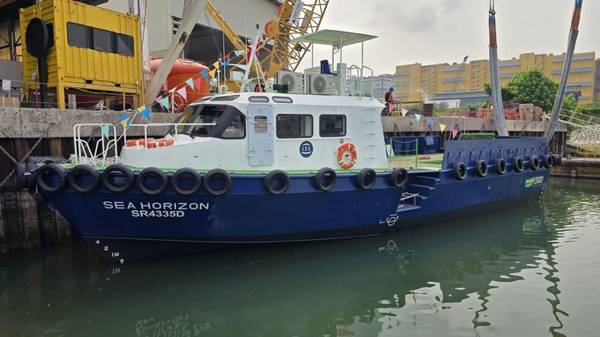
Pinnacle Marine launches second B100-compatible harbour craft for Les Star
Sea Horizon joins Singapore’s harbour craft fleet. |
|
|
|
||
|
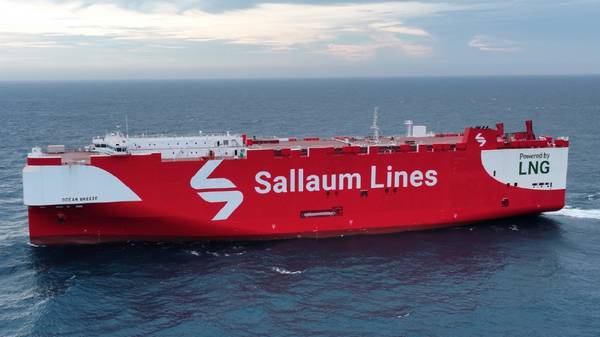
Sallaum Lines orders LNG-fuelled, ammonia-ready PCTCs from Chinese yards
Operator signs shipbuilding agreements for new generation of 8,600-CEU vessels, taking its newbuild investment past $1bn. |
|
|
|
||
|
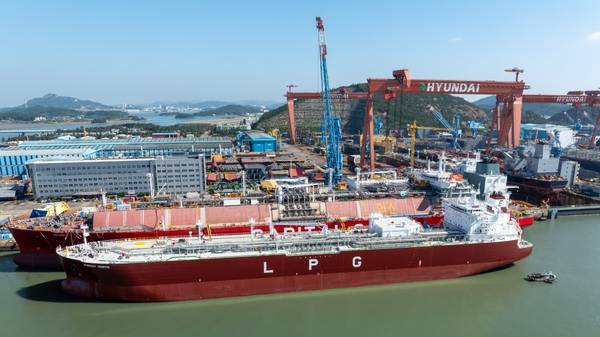
Nakilat takes delivery of dual-fuel carrier in South Korea
Ammonia-ready design positions vessel to play key role in future low-carbon energy supply chains, says Qatari firm. |
|
|
|
||
|
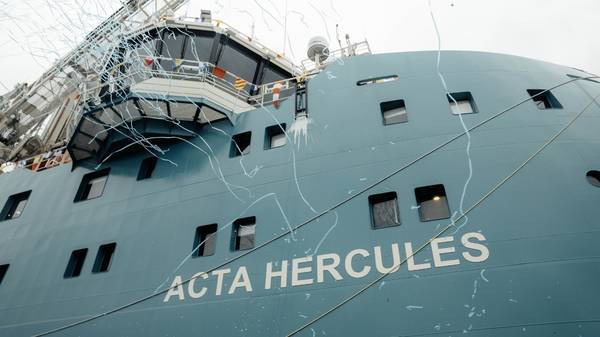
Acta Marine christens methanol dual-fuel vessel Acta Hercules in IJmuiden
Dutch operator marks the christening of its second newbuild CSOV. |
|
|
|
||
|
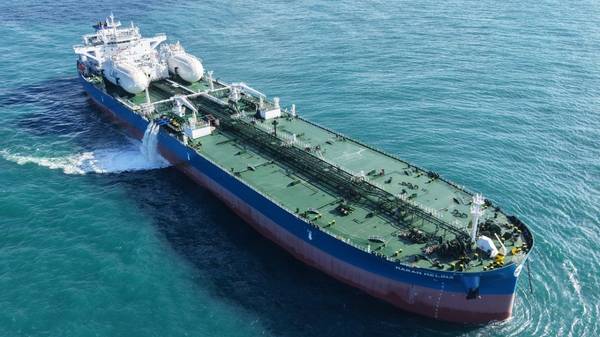
Angelicoussis Group takes delivery of fifth dual-fuel Suezmax tanker
Maran Tankers Management adds the 155,500-DWT Maran Melina to its fleet. |
|
|
|
||
| Höegh Autoliners vessel connects to shore power for the first time in Europe [News & Insights] |
| Maersk completes first US ethanol bunkering of a deep-sea container ship [News & Insights] |
| Maersk completes first US ethanol bunkering of a deep-sea container ship [News & Insights] |
| Petrobras launches HSFO bunker sales in Rio de Janeiro [News & Insights] |
| Japan completes first methanol-fuelled coastal vessel and conducts inaugural bunkering [News & Insights] |
