
 |
Nuclear-powered commercial ships have moved closer to deployment after governments, regulators and industry gathered in Washington, D.C., to address the practical barriers standing in the way of nuclear technology at sea.
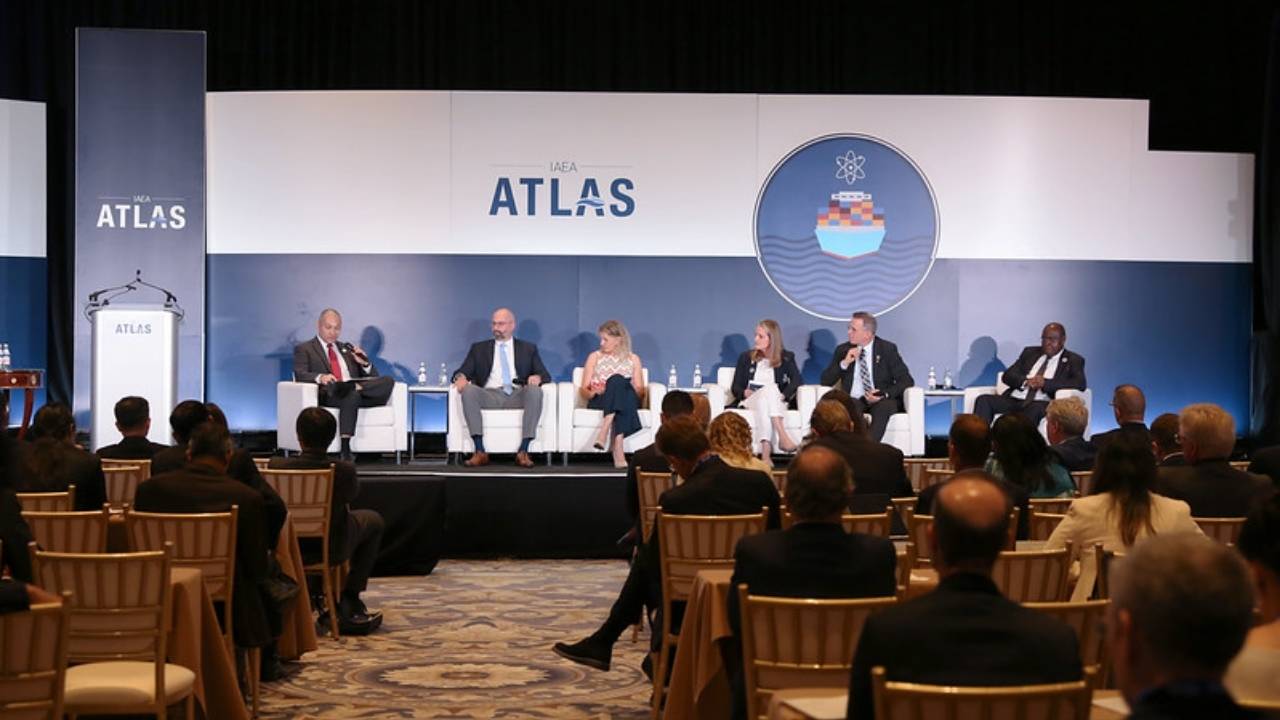
The International Atomic Energy Agency (IAEA) launched its ATLAS initiative — formally known as the High-Level Forum on Atomic Technologies Licensed for Applications at Sea — on 26–27 August in partnership with the U.S. Government. The programme brings together governments, regulators, international organisations and industry to develop the frameworks required for nuclear energy to be deployed across commercial shipping and other maritime applications.
The Nuclear Energy Maritime Organization (NEMO), an international non-governmental organisation working to enable the deployment of nuclear energy at sea, participated in the Washington launch and described the initiative as a potential turning point for the sector.
NEMO chief executive Virginia Crosbie commented: “The future of commercial shipping is nuclear. For years, people have talked about whether nuclear could have a role in commercial shipping. That debate is changing very quickly. We are moving from ‘if’ to ‘when’.
“The technology exists. Nuclear vessels have been operating safely for decades. What we now need is the international regulatory, legal, insurance and commercial framework that allows a new generation of nuclear-powered commercial ships to operate around the world.”
The launch comes amid growing interest from the United States in maritime nuclear technology. The U.S. Maritime Administration (MARAD) recently conducted a request for information on advanced nuclear technologies for maritime applications, while U.S. Secretary of Energy Chris Wright has placed nuclear expansion at the centre of America’s energy agenda.
Beyond propulsion
According to NEMO, the potential market for maritime nuclear extends beyond ship propulsion. The organisation identifies three emerging application areas: nuclear propulsion for commercial vessels, floating nuclear power plants and nuclear energy for offshore industrial operations.
Floating nuclear plants, it says, could supply power to ports, islands, coastal communities and industrial facilities where grid infrastructure is limited or energy security is a concern, while offshore nuclear could meet the continuous, large-scale power demands of energy-intensive industrial operations.
Crosbie said: “This is much bigger than putting a reactor on a ship. Maritime nuclear has the potential to create entirely new markets for clean, secure and reliable energy. Nuclear offers something extraordinarily valuable at sea: huge amounts of energy from very small quantities of fuel, combined with endurance and reliability.”
A regulatory challenge
Nuclear propulsion at sea is not a new concept. Naval vessels and icebreakers powered by nuclear reactors have operated for decades, and the American NS Savannah demonstrated civilian nuclear propulsion more than 60 years ago. However, establishing an international regulatory system capable of governing vessels carrying nuclear reactors across multiple jurisdictions and ports remains a central challenge.
Crosbie observed: “Ships move. Nuclear power stations traditionally don’t. That simple difference creates one of the most fascinating regulatory challenges in the energy transition. No single company, regulator or country can solve it alone.”
According to NEMO, ATLAS is intended to bring together the parties needed to resolve those issues. Crosbie remarked: “The prize is enormous. Get the framework right and we could be looking at the emergence of an entirely new global industry.”
NEMO, which holds consultative status with the International Maritime Organization (IMO), says it is working internationally with governments, regulators and industry to help develop the regulatory, safety, legal and commercial frameworks required for maritime nuclear deployment.
|
World Fuel seeks marine fuel sales executive in Singapore
Role requires more than five years' experience in bunkering, trading, energy or commodities. |
|
|
|
||
|
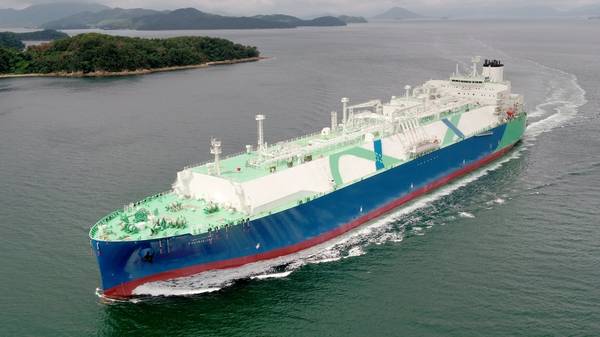
MISC names first of three new LNG carriers for QatarEnergy charter deal
Th'ailib, chartered to QatarEnergy for 15 years, extends MISC's long-term LNG fleet partnership with the energy producer. |
|
|
|
||
|
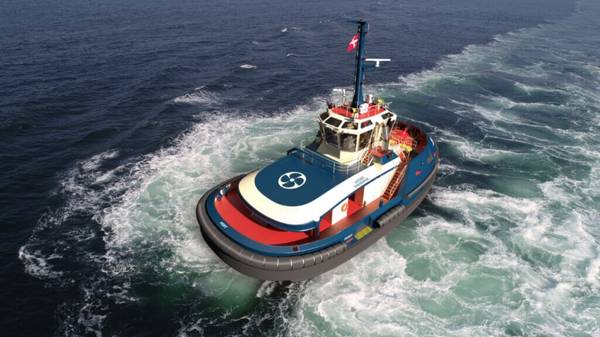
AYK Energy to supply batteries for Kongsberg Maritime’s electric Svitzer tugs
Battery maker AYK Energy expands its workboat portfolio with a deal to power four fully electric Svitzer TRAnsverse tugs. |
|
|
|
||
|
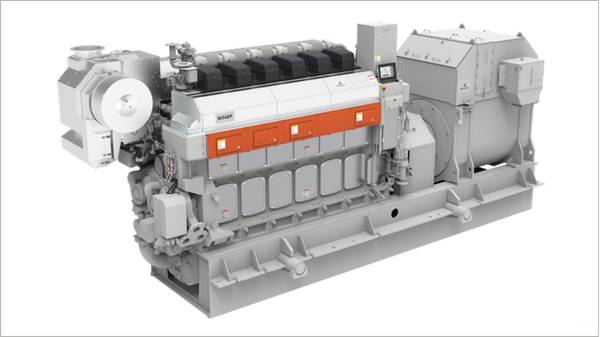
Wärtsilä to supply dual-fuel engines for 12 CMA CGM container ships
Wärtsilä will deliver 36 LNG dual-fuel engines for a dozen new 18,000-TEU container vessels being built for CMA CGM. |
|
|
|
||
|
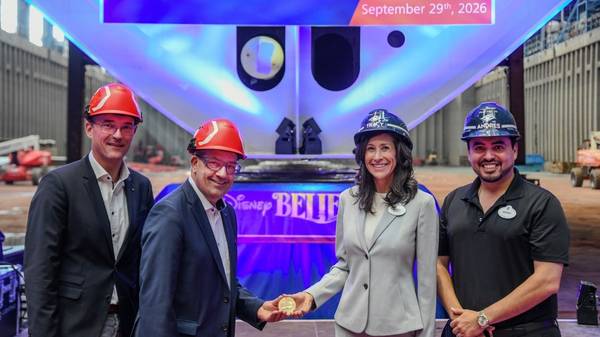
Keel-laying ceremony held for LNG-powered Disney Believe at Meyer Werft
Construction starts on second gigablock of Disney Believe, the fourth vessel in Disney Cruise Line’s Wish class. |
|
|
|
||
|
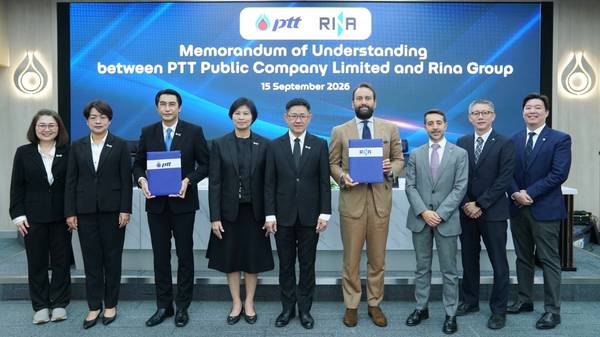
RINA and Thailand’s PTT sign MoUs to collaborate on decarbonisation technologies
Agreements establish a research and knowledge-sharing framework covering alternative fuels, hydrogen readiness and vessel electrification across the energy and maritime sectors. |
|
|
|
||
|
IBIA to host ethanol marine fuel workshop in New York
Limited-capacity session will examine ethanol’s commercial, technical and regulatory prospects as a shipping fuel. |
|
|
|
||
|
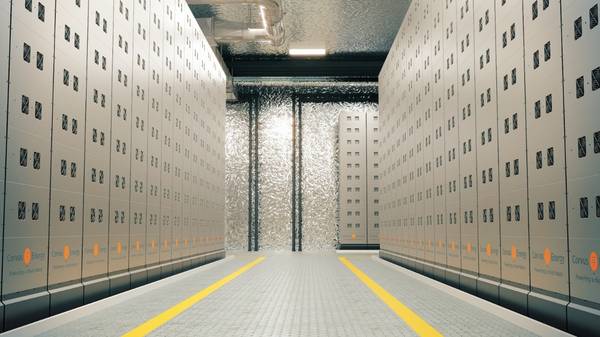
Corvus Energy’s Blue Whale NxtGen battery system gains DNV type approval
DNV approval confirms the safety and performance of Corvus Energy’s large-scale battery system for ferries, cruise ships and offshore vessels. |
|
|
|
||
|
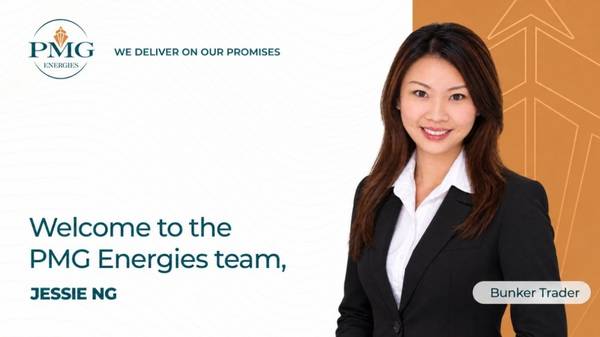
PMG Energies appoints Jessie Ng as bunker trader in Singapore
Bunker firm adds experienced trader to Singapore team. |
|
|
|
||
|
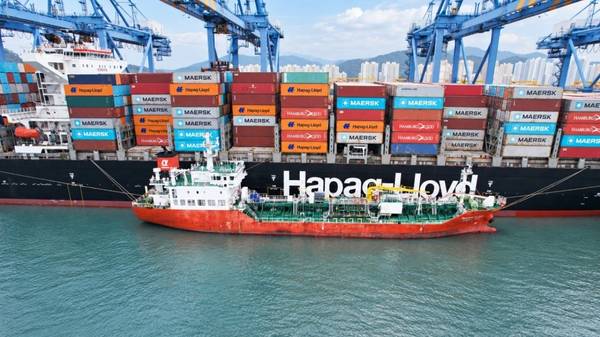
Hapag-Lloyd completes simultaneous-operations biomethanol bunkering in Busan
Container line bunkers ISCC EU-certified biomethanol from Goldwind during SIMOPS, advancing its 2024 supply agreement. |
|
|
|
||
| RINA and Thailand’s PTT sign MoUs to collaborate on decarbonisation technologies [News & Insights] |
| Pinnacle Marine launches B100-compatible harbour craft Baraka-9 for Trans Wave [News & Insights] |
| Pinnacle Marine launches second B100-compatible harbour craft for Les Star [News & Insights] |
| ABS, HD KSOE and Siemens partner on digital twin technology for ammonia-fuelled ship safety [News & Insights] |
| Petrobras launches HSFO bunker sales in Rio de Janeiro [News & Insights] |
