
 |
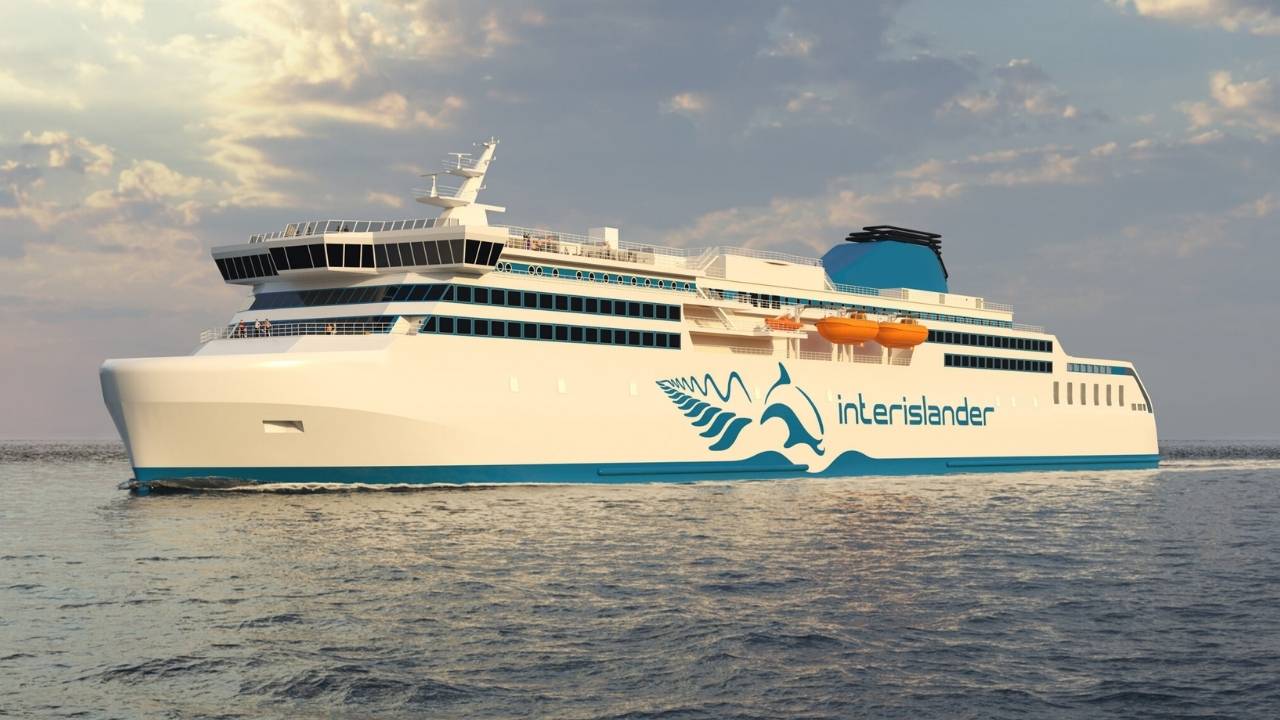
ABB has been selected to supply integrated power, propulsion and automation technology for two new ro-pax ferries being built for New Zealand’s Cook Strait Ferry Replacement Programme, with delivery scheduled for 2029.
The two vessels — to be named Kupe and Cook — will be constructed by Guangzhou Shipyard International (GSI) and delivered to Ferry Holdings Limited, a New Zealand Government entity.
Each ferry will measure 200 metres in length and 28 metres in width, and will operate the 92-kilometre Wellington–Picton crossing between New Zealand’s North and South Islands across the Cook Strait — known in Māori as Te Moana-o-Raukawa. According to ABB, the vessels will carry up to 1,530 passengers and offer 2,400 lane metres of freight capacity, representing increases of 63% and 44% respectively compared with the ferries they will replace.
The ships are rail-enabled, meaning rail freight can be loaded directly onto the vessels without multiple cargo-handling steps.
Azipod propulsion and hybrid architecture
ABB’s scope of supply includes four main alternators, motors and drives for three bow thrusters, and two Azipod propulsion units. The gearless, 360°-steerable Azipod units replace the traditional propeller shafts, rudders and stern thrusters fitted to the predecessor vessels. According to ABB, the configuration will allow the ferries to move laterally — or 'crab' — at one knot in 40-knot winds from any direction, a capability ABB says exceeds what the current fleet can achieve during port entry and departure at Wellington and Picton.
The vessels will feature a fuel-agnostic hybrid-electric power and propulsion plant. A battery energy storage system (BESS) of 8.2 MWh will support near-zero-emission harbour operations or provide a spinning reserve for 10 minutes. ABB says the architecture allows the BESS to be scaled up to 12.3 MWh, with further capacity potential to align with shore charging technologies when available.
At the centre of the power architecture is ABB’s PEMS power and energy management system, which ABB describes as continuously balancing energy across the vessels’ generators, BESS, propulsion and auxiliary loads as a single integrated system. The system is said to enable automatic optimisation of fuel consumption, battery-only harbour operations, and power continuity in the event of a fault.
The vessels will also be equipped with ABB Ability Remote Diagnostic System (RDS), providing continuous 24/7 monitoring and access to ABB’s global network of engineers. ABB notes that the system supports predictive maintenance, faster troubleshooting and real-time operational insights.
Reducing underwater radiated noise (URN) has been prioritised on the project to help protect marine life in the Marlborough Sounds, a goal reflected in a DNV SILENT-E class notation.
Massimo Soprano, Ship Programme Director at Ferry Holdings Limited, commented: “These ferries represent a key investment in New Zealand’s transport infrastructure. Selecting ABB gives us confidence that we will deliver vessels with world-class power, propulsion and automation technology. These systems are designed for the demanding conditions of Cook Strait and built to minimise environmental impact over their entire lifecycle.”
|
IBIA to host ethanol marine fuel workshop in New York
Limited-capacity session will examine ethanol’s commercial, technical and regulatory prospects as a shipping fuel. |
|
|
|
||
|
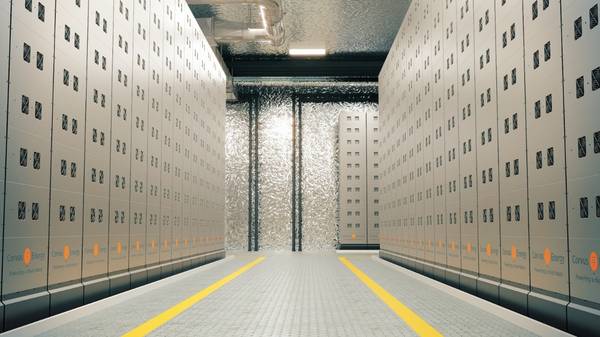
Corvus Energy’s Blue Whale NxtGen battery system gains DNV type approval
DNV approval confirms the safety and performance of Corvus Energy’s large-scale battery system for ferries, cruise ships and offshore vessels. |
|
|
|
||
|
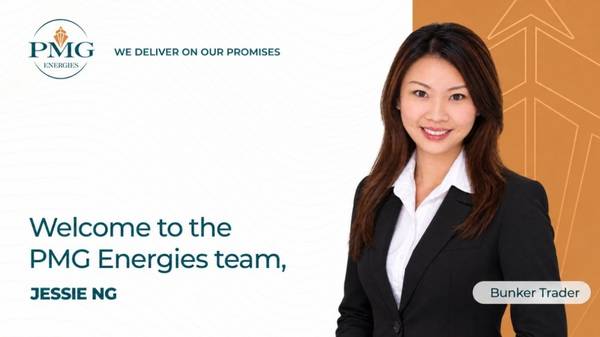
PMG Energies appoints Jessie Ng as bunker trader in Singapore
Bunker firm adds experienced trader to Singapore team. |
|
|
|
||
|
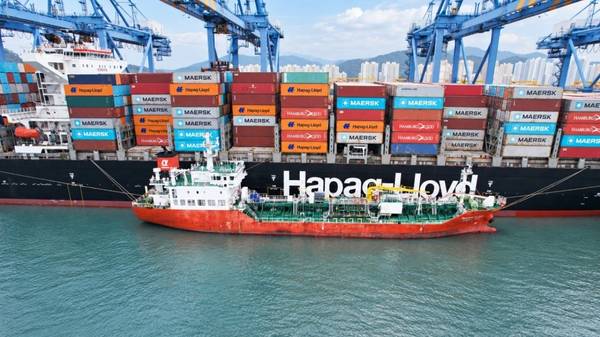
Hapag-Lloyd completes simultaneous-operations biomethanol bunkering in Busan
Container line bunkers ISCC EU-certified biomethanol from Goldwind during SIMOPS, advancing its 2024 supply agreement. |
|
|
|
||
|
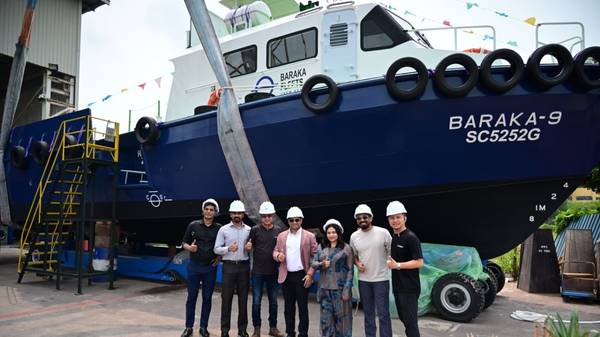
Pinnacle Marine launches B100-compatible harbour craft Baraka-9 for Trans Wave
Singapore shipbuilder adds another biodiesel-ready vessel to a fleet renewal programme aimed at harbour craft decarbonisation. |
|
|
|
||
|
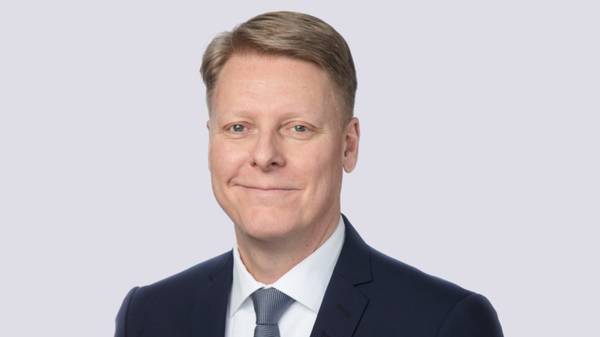
Glander International Bunkering creates European commercial director role, appoints Rune Kongstein
Marine fuels firm is aligning its European operations under a single commercial leadership structure. |
|
|
|
||
|
VPS to run marine fuel management course in the Netherlands this November
Two-day training programme covers fuel quality, handling and decarbonisation regulations. |
|
|
|
||
|
Wind-assisted propulsion 'no longer just a concept', ICS panel says
Shipowners weigh wind power as a practical, low-risk route towards decarbonisation targets. |
|
|
|
||
|
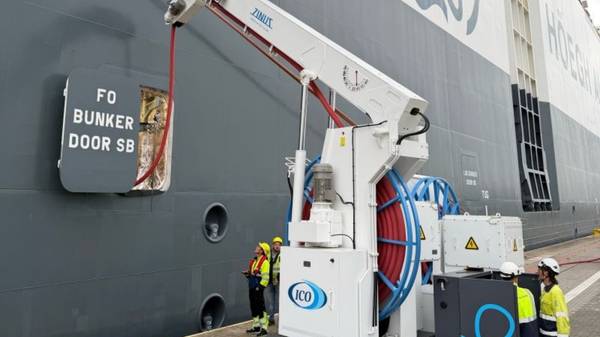
Höegh Autoliners vessel connects to shore power for the first time in Europe
Höegh Starlight used 11 kV shore power in Zeebrugge, allowing it to switch off its auxiliary engines while alongside. |
|
|
|
||
|
Chinese shipbuilder ROC signs deal for up to eight methanol-ready CSOVs
Contract signed with European shipowner for vessels designed for offshore wind farm maintenance work. |
|
|
|
||
| Pinnacle Marine launches B100-compatible harbour craft Baraka-9 for Trans Wave [News & Insights] |
| Höegh Autoliners vessel connects to shore power for the first time in Europe [News & Insights] |
| Höegh Autoliners vessel connects to shore power for the first time in Europe [News & Insights] |
| Chinese shipbuilder ROC signs deal for up to eight methanol-ready CSOVs [News & Insights] |
| Chinese shipbuilder ROC signs deal for up to eight methanol-ready CSOVs [News & Insights] |
