
 |
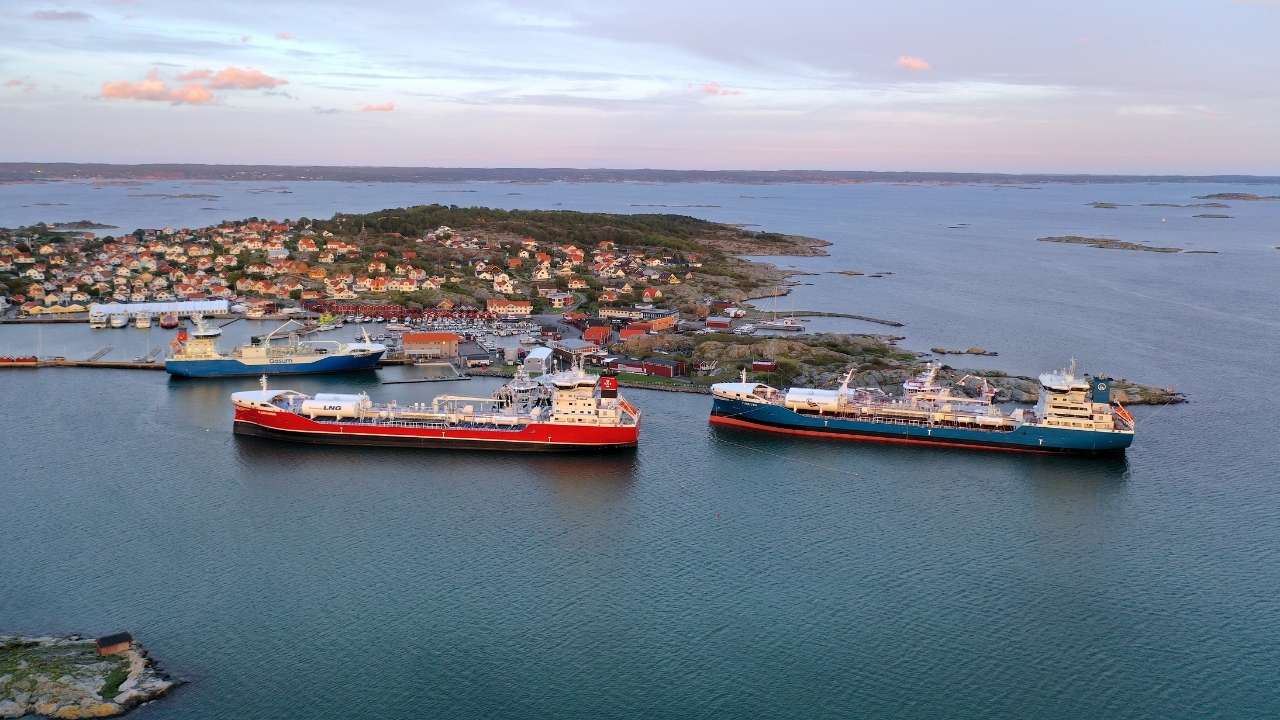
Shipping companies from Sweden, Norway and Canada have placed orders for four new vessels in the Vinga series of product tankers, extending the series — developed by Swedish shipping company Furetank — to 26 ships in total.
The orders were announced in conjunction with the naming ceremony for Fure Vasa, a newly built Vinga vessel that has recently arrived in Europe following construction in China.
The Vinga ships are Ice Class 1A, 17,999-DWT product tankers designed by Furetank together with FKAB Marine Design. They carry dual-fuel capability, operating on liquid biomethane (LBM) or marine gas oil (MGO), and are fully equipped for shore power.
The tankers incorporate a battery-hybrid solution and a range of features intended to reduce fuel and energy consumption. They are said to have scored the best Energy Efficiency Design Index (EEDI) value in their segment globally, in accordance with International Maritime Organization (IMO) criteria.
FureBear, a joint venture between Canadian Algoma Central Corporation and Furetank, will own two of the four vessels. One ship will go to Norwegian shipping company O.H. Meling — marking the company’s first Vinga investment — and one to Swedish Älvtank, which already owns three Vinga vessels and participated in the original order delivered in 2018.
Construction is to be carried out at the China Merchants Jinling Shipyard in Yangzhou, China, with delivery expected between 2028 and 2029. They will be entered into the Gothia Tanker Alliance and managed commercially by Furetank Chartering.
All four vessels are to be registered under the Swedish flag. According to Furetank, this would mean the Vinga series accounts for almost a fifth of the Swedish merchant fleet, which currently stands at just over 105 vessels.
Lars Höglund, CEO of Furetank, remarked: “It is an extraordinary journey to be part of, with a vessel series longer than anyone could have imagined. More than a decade after the first order, they remain the most energy-efficient and environmentally friendly vessels in their class internationally. As policy direction and customer needs continue to place greater value on environmental performance in transport, we believe the Vinga design remains well positioned for the future.”
Christian Nilsson, CEO of Älvtank, pointed to the commercial and operational advantages of investing in an established, long-running series of identical vessels. “The agreement we are signing today shows how future-proof the Vinga vessels have been from the outset. Our three sister vessels have performed exceptionally well, and being part of a long-running series of identical vessels brings many advantages. The ships have set a standard in the market and are well known to many parties—from the pilots who guide them into port and the charterers who place their cargoes, to the customers who know we can always source a replacement vessel if needed,” he said.
For O.H. Meling, the investment is driven in part by fleet renewal needs. CEO Olav H. Meling commented: “We are renewing our fleet, as our two current intermediate tankers will soon pass the 20-year age limit for trading in the European tanker market. The Vinga vessels have proven themselves in the market over many years — technically robust, efficient and consistently in demand. We have strong faith in good vessels, good management and a solid collaboration between our companies. The conditions for this investment could not be better.”
Älvtank’s CEO also pointed to what the company sees as the longer-term role for vessels of this type as the energy mix shifts. Nilsson said: “The need for vessels of this size will remain for many years to come, even as volumes of petrol and diesel decline. We are already seeing an increasing share of other liquid cargoes such as lighter chemicals and biofuels. With twelve cargo tanks, we can load and discharge several smaller cargoes at different terminals with the same vessel. I believe demand for significantly larger vessels will decrease in Europe going forward.”
|
IBIA to host ethanol marine fuel workshop in New York
Limited-capacity session will examine ethanol’s commercial, technical and regulatory prospects as a shipping fuel. |
|
|
|
||

|
Corvus Energy’s Blue Whale NxtGen battery system gains DNV type approval
DNV approval confirms the safety and performance of Corvus Energy’s large-scale battery system for ferries, cruise ships and offshore vessels. |
|
|
|
||
|
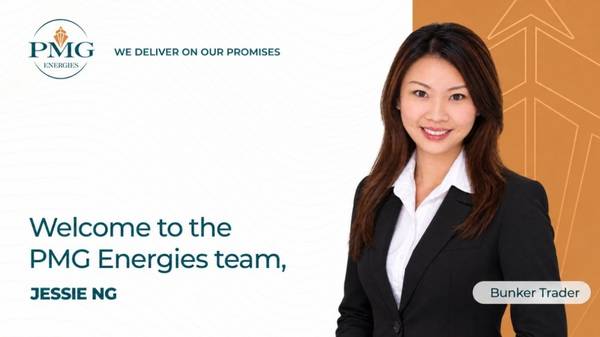
PMG Energies appoints Jessie Ng as bunker trader in Singapore
Bunker firm adds experienced trader to Singapore team. |
|
|
|
||
|
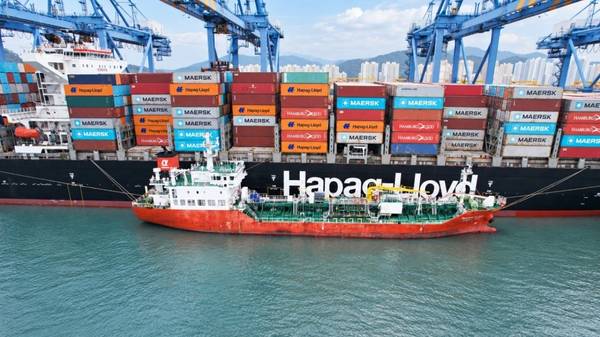
Hapag-Lloyd completes simultaneous-operations biomethanol bunkering in Busan
Container line bunkers ISCC EU-certified biomethanol from Goldwind during SIMOPS, advancing its 2024 supply agreement. |
|
|
|
||
|
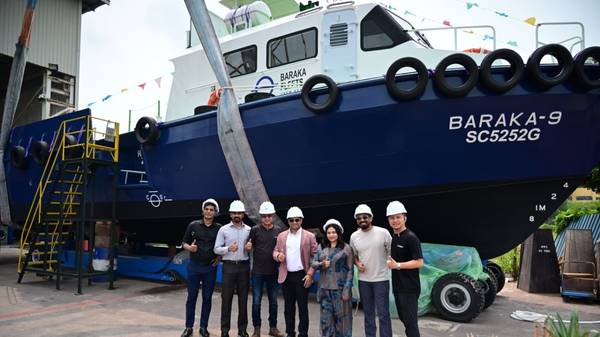
Pinnacle Marine launches B100-compatible harbour craft Baraka-9 for Trans Wave
Singapore shipbuilder adds another biodiesel-ready vessel to a fleet renewal programme aimed at harbour craft decarbonisation. |
|
|
|
||
|
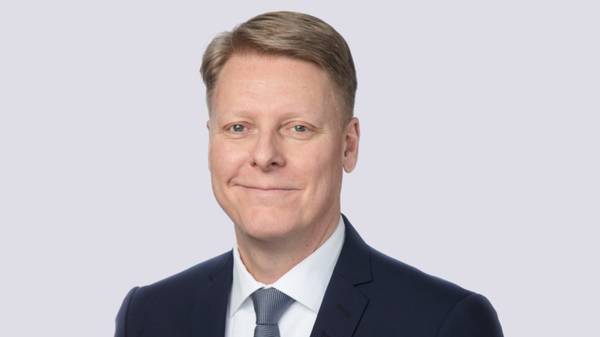
Glander International Bunkering creates European commercial director role, appoints Rune Kongstein
Marine fuels firm is aligning its European operations under a single commercial leadership structure. |
|
|
|
||
|
VPS to run marine fuel management course in the Netherlands this November
Two-day training programme covers fuel quality, handling and decarbonisation regulations. |
|
|
|
||
|
Wind-assisted propulsion 'no longer just a concept', ICS panel says
Shipowners weigh wind power as a practical, low-risk route towards decarbonisation targets. |
|
|
|
||
|
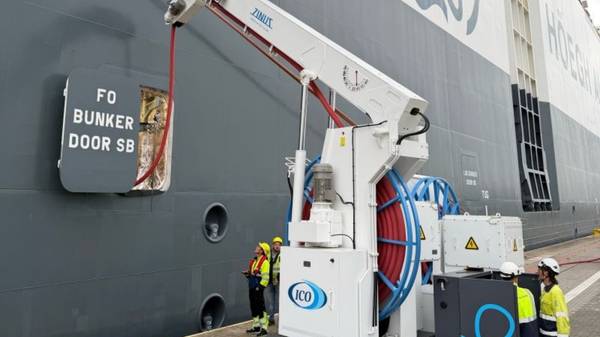
Höegh Autoliners vessel connects to shore power for the first time in Europe
Höegh Starlight used 11 kV shore power in Zeebrugge, allowing it to switch off its auxiliary engines while alongside. |
|
|
|
||
|
Chinese shipbuilder ROC signs deal for up to eight methanol-ready CSOVs
Contract signed with European shipowner for vessels designed for offshore wind farm maintenance work. |
|
|
|
||
| Pinnacle Marine launches B100-compatible harbour craft Baraka-9 for Trans Wave [News & Insights] |
| Höegh Autoliners vessel connects to shore power for the first time in Europe [News & Insights] |
| Höegh Autoliners vessel connects to shore power for the first time in Europe [News & Insights] |
| Höegh Autoliners vessel connects to shore power for the first time in Europe [News & Insights] |
| Chinese shipbuilder ROC signs deal for up to eight methanol-ready CSOVs [News & Insights] |
