
 |
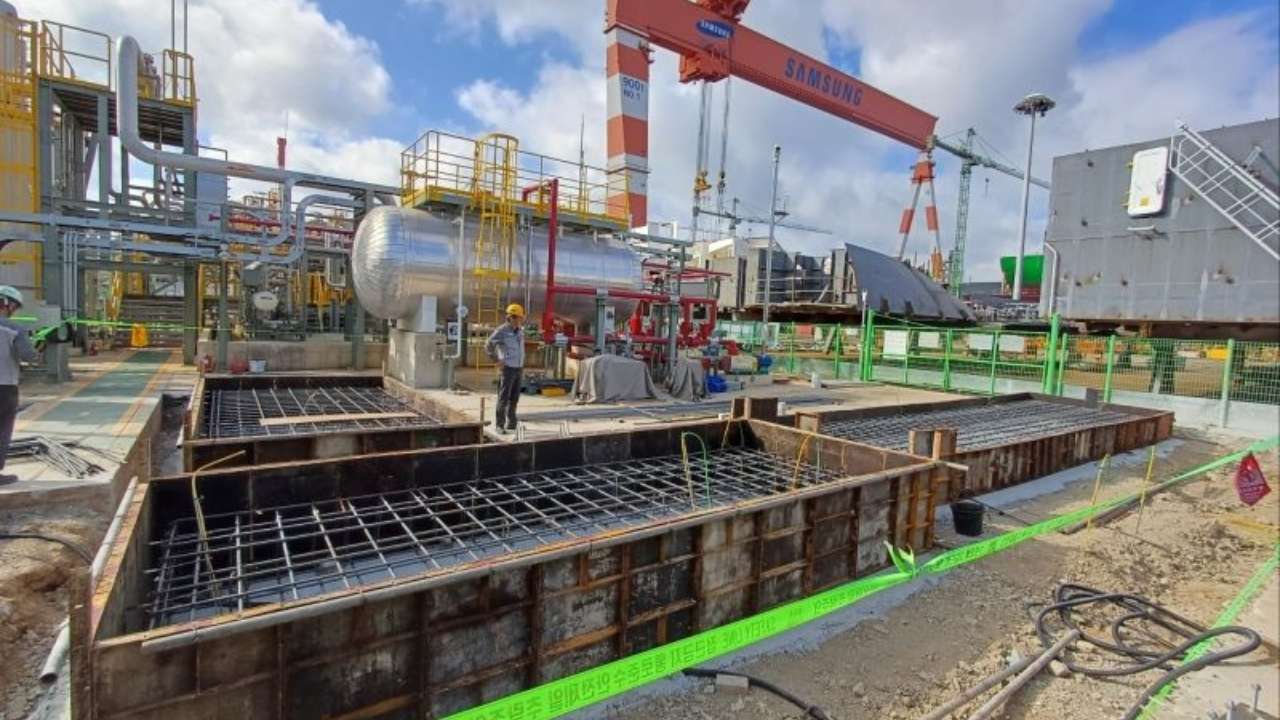
Ammonia-to-power technology company Amogy has announced the start of construction of a product-module factory acceptance testing (FAT) facility in Geoje, South Korea, developed in collaboration with Samsung Heavy Industries (SHI).
The facility is designed to support the transition of Amogy's ammonia-to-power technology from pilot-stage demonstrations to commercial-scale production. By partnering with SHI, a South Korean shipbuilder and heavy-industry manufacturer, Amogy says it aims to bring expertise in large-scale fabrication and quality assurance to the process of building and testing its systems ahead of customer delivery.
Amogy's technology centres on converting ammonia into power. The technology cracks ammonia into hydrogen and nitrogen, then feeds the hydrogen into fuel cells, or similar conversion devices, to produce electricity, with no carbon emissions at the point of use. The resulting electricity provides onboard electrical power for ship propulsion motors and vessel auxiliary systems, allowing vessels to operate using ammonia-derived electricity instead of conventional diesel generator sets or other fossil-fuelled onboard power units.
Ammonia has attracted growing interest as a marine and industrial fuel due to its zero-carbon combustion properties, though challenges around handling, toxicity, and combustion efficiency continue to attract scrutiny across the industry.
The Geoje facility, once operational, is set to serve as a testing environment for product modules before they are delivered to customers.
"Every crane lift, every foundation poured, is a step closer to delivering clean, reliable power at scale, decarbonizing heavy industry power generation using ammonia as a fuel," Amogy stated.
|
Wind-assisted propulsion 'no longer just a concept', ICS panel says
Shipowners weigh wind power as a practical, low-risk route towards decarbonisation targets. |
|
|
|
||
|
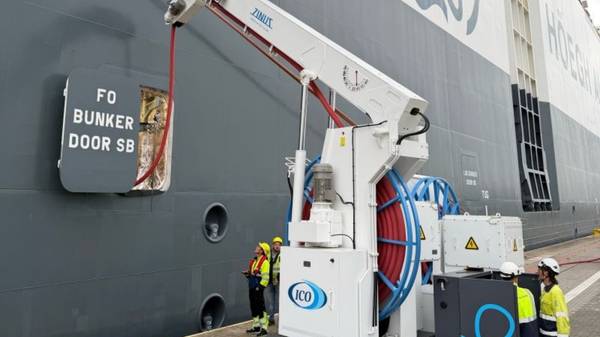
Höegh Autoliners vessel connects to shore power for the first time in Europe
Höegh Starlight used 11 kV shore power in Zeebrugge, allowing it to switch off its auxiliary engines while alongside. |
|
|
|
||
|
Chinese shipbuilder ROC signs deal for up to eight methanol-ready CSOVs
Contract signed with European shipowner for vessels designed for offshore wind farm maintenance work. |
|
|
|
||
|
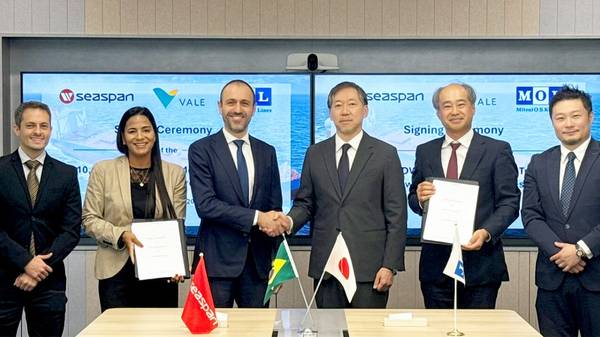
MOL and Vale sign 25-year deal for tri-fuel ore carriers
New vessels will be able to run on ethanol, methanol or heavy fuel oil, offering fuel flexibility. |
|
|
|
||
|
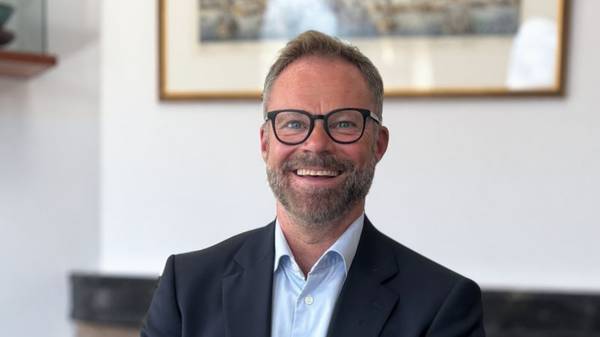
ScanOcean appoints Lars Malmbratt as senior commercial manager
Swedish firm strengthens commercial team with experienced industry executive based in Gothenburg. |
|
|
|
||
|
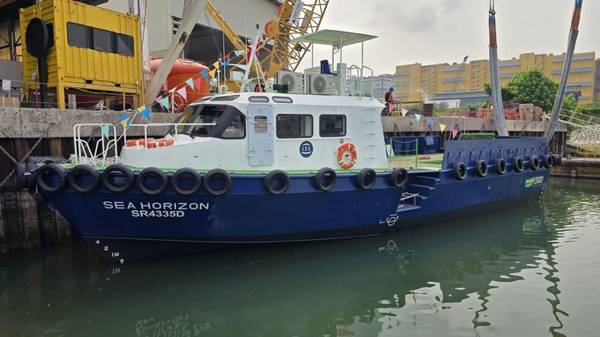
Pinnacle Marine launches second B100-compatible harbour craft for Les Star
Sea Horizon joins Singapore’s harbour craft fleet. |
|
|
|
||
|
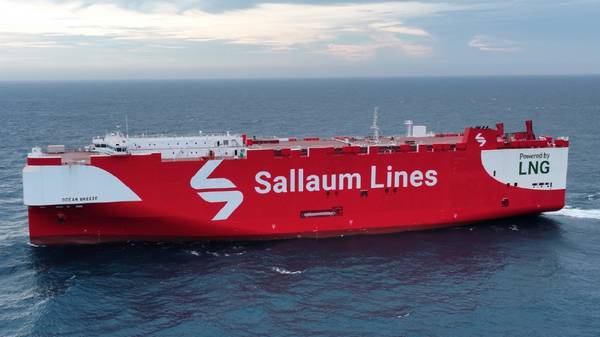
Sallaum Lines orders LNG-fuelled, ammonia-ready PCTCs from Chinese yards
Operator signs shipbuilding agreements for new generation of 8,600-CEU vessels, taking its newbuild investment past $1bn. |
|
|
|
||
|
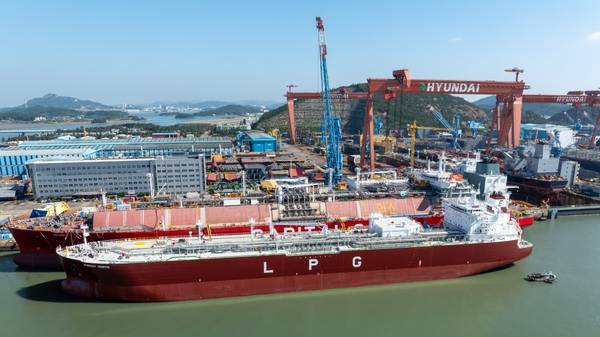
Nakilat takes delivery of dual-fuel carrier in South Korea
Ammonia-ready design positions vessel to play key role in future low-carbon energy supply chains, says Qatari firm. |
|
|
|
||
|
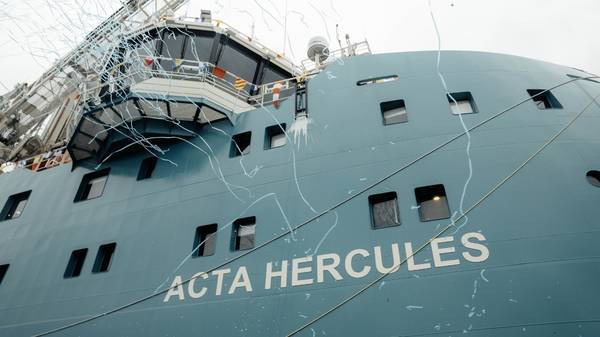
Acta Marine christens methanol dual-fuel vessel Acta Hercules in IJmuiden
Dutch operator marks the christening of its second newbuild CSOV. |
|
|
|
||
|
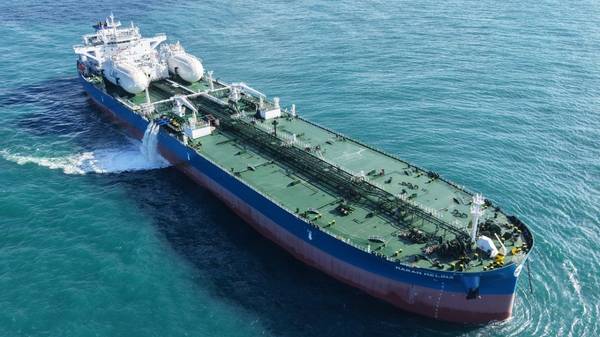
Angelicoussis Group takes delivery of fifth dual-fuel Suezmax tanker
Maran Tankers Management adds the 155,500-DWT Maran Melina to its fleet. |
|
|
|
||
| North Sea Trading appoints head of renewable fuels and signs India green methanol MoU [News & Insights] |
| AEA qualifies global roster of auditors for ammonia certification system [News & Insights] |
| Amazónica LNG joins SEA-LNG, extending the coalition’s reach into Latin America [News & Insights] |
| Stabilis Solutions nears 100 LNG bunkering operations at Galveston [News & Insights] |
| Towngas hosts Hong Kong government delegation at Inner Mongolia green methanol plant [News & Insights] |
