
 |
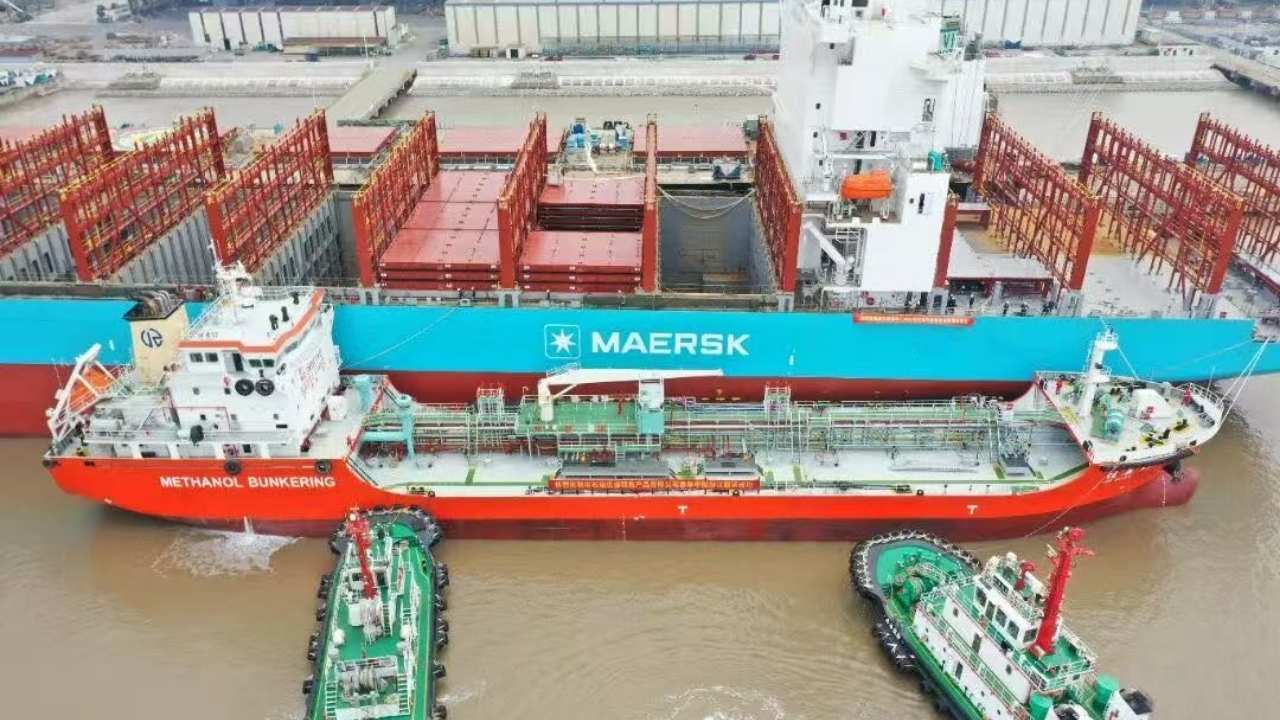
China Classification Society (CCS) has supported what it says is the first ship-to-ship (STS) methanol bunkering operation for a newbuild vessel at a shipyard in Zhejiang Province, China, following the completion of a bunkering transfer at Tsuneishi Group (Zhoushan) Shipbuilding on 27 June.
The methanol bunkering tanker Jia Chen 17 supplied 795 tonnes of methanol to the methanol dual-fuel container ship Maersk Flinders in 5.5 hours. Pre-bunkering checks, covering hose connection, gas detection, emergency shutdown systems, fire-fighting arrangements and personal protective equipment, were confirmed to comply with safety requirements before the transfer took place, according to CCS.
The operation makes Zhoushan the second port in China with the capability for routine STS methanol bunkering, after Shanghai.
For the delivery of Jia Chen 17, CCS conducted on-site surveys throughout the vessel’s construction process. The classification society focused in particular on ensuring that the methanol bunkering system complied with the Interim Regulation for Technical Requirements and Surveys of Methanol Bunkering Vessels (2025), issued by China’s Maritime Safety Administration (MSA), as well as CCS’s own Guidelines for Methanol Bunkering Vessels (2023).
CCS stated that it will continue to contribute standards and survey services in support of the decarbonisation of the global maritime industry, and said it intends to develop further technical research into alternative marine fuels including methanol, LNG, ammonia and hydrogen.
|
Wind-assisted propulsion 'no longer just a concept', ICS panel says
Shipowners weigh wind power as a practical, low-risk route towards decarbonisation targets. |
|
|
|
||
|
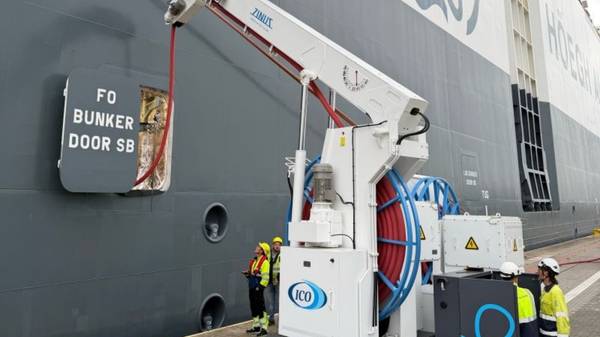
Höegh Autoliners vessel connects to shore power for the first time in Europe
Höegh Starlight used 11 kV shore power in Zeebrugge, allowing it to switch off its auxiliary engines while alongside. |
|
|
|
||
|
Chinese shipbuilder ROC signs deal for up to eight methanol-ready CSOVs
Contract signed with European shipowner for vessels designed for offshore wind farm maintenance work. |
|
|
|
||
|
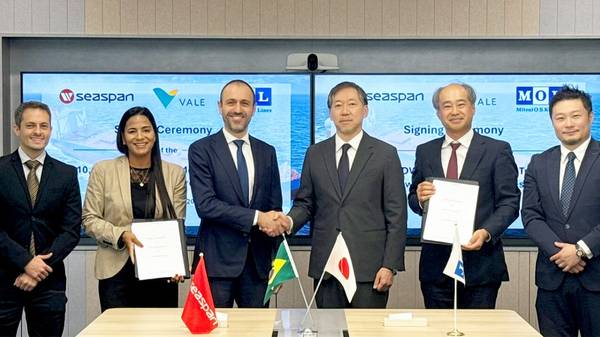
MOL and Vale sign 25-year deal for tri-fuel ore carriers
New vessels will be able to run on ethanol, methanol or heavy fuel oil, offering fuel flexibility. |
|
|
|
||
|
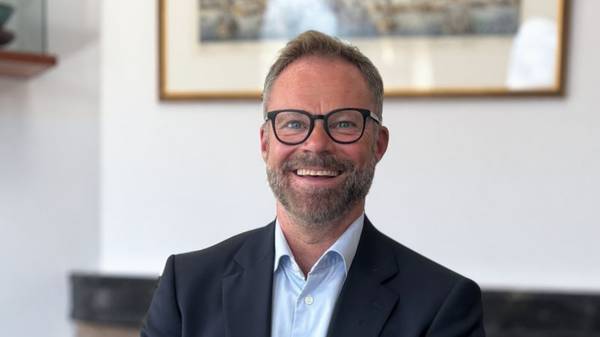
ScanOcean appoints Lars Malmbratt as senior commercial manager
Swedish firm strengthens commercial team with experienced industry executive based in Gothenburg. |
|
|
|
||
|
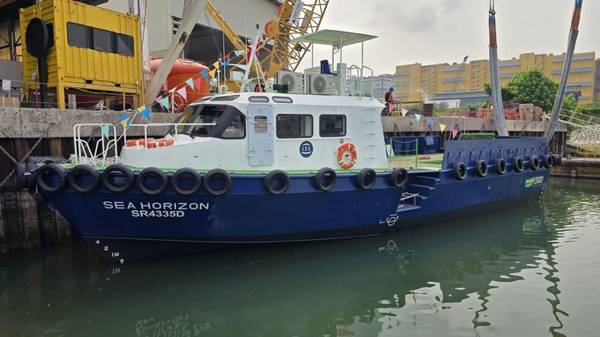
Pinnacle Marine launches second B100-compatible harbour craft for Les Star
Sea Horizon joins Singapore’s harbour craft fleet. |
|
|
|
||
|
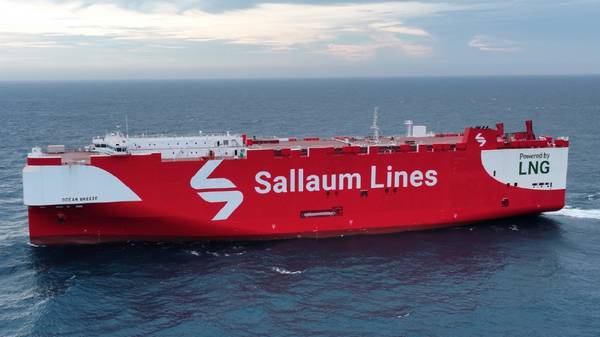
Sallaum Lines orders LNG-fuelled, ammonia-ready PCTCs from Chinese yards
Operator signs shipbuilding agreements for new generation of 8,600-CEU vessels, taking its newbuild investment past $1bn. |
|
|
|
||
|
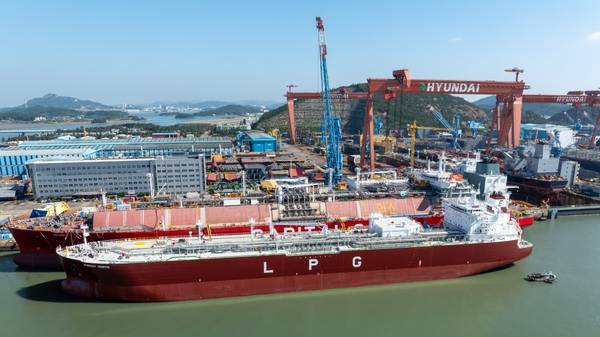
Nakilat takes delivery of dual-fuel carrier in South Korea
Ammonia-ready design positions vessel to play key role in future low-carbon energy supply chains, says Qatari firm. |
|
|
|
||
|
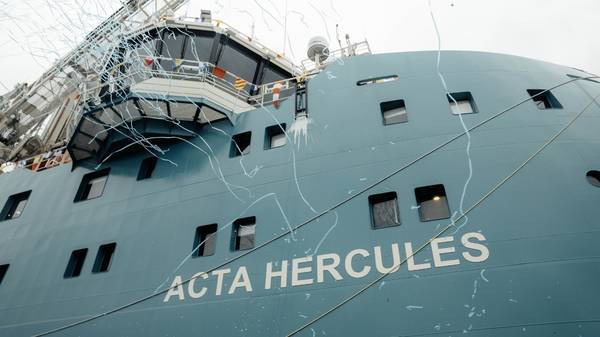
Acta Marine christens methanol dual-fuel vessel Acta Hercules in IJmuiden
Dutch operator marks the christening of its second newbuild CSOV. |
|
|
|
||
|
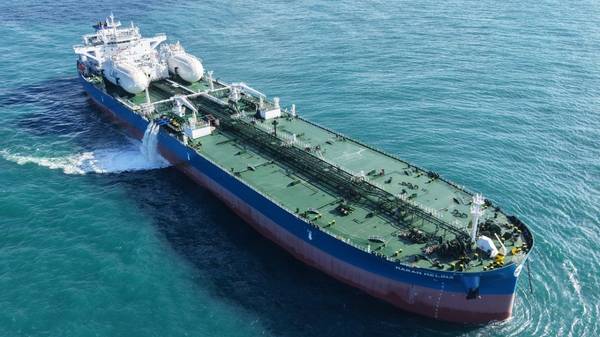
Angelicoussis Group takes delivery of fifth dual-fuel Suezmax tanker
Maran Tankers Management adds the 155,500-DWT Maran Melina to its fleet. |
|
|
|
||
| Höegh Autoliners vessel connects to shore power for the first time in Europe [News & Insights] |
| Höegh Autoliners vessel connects to shore power for the first time in Europe [News & Insights] |
| Chinese shipbuilder ROC signs deal for up to eight methanol-ready CSOVs [News & Insights] |
| MOL and Vale sign 25-year deal for tri-fuel ore carriers [News & Insights] |
| Pinnacle Marine launches second B100-compatible harbour craft for Les Star [News & Insights] |
