
 |
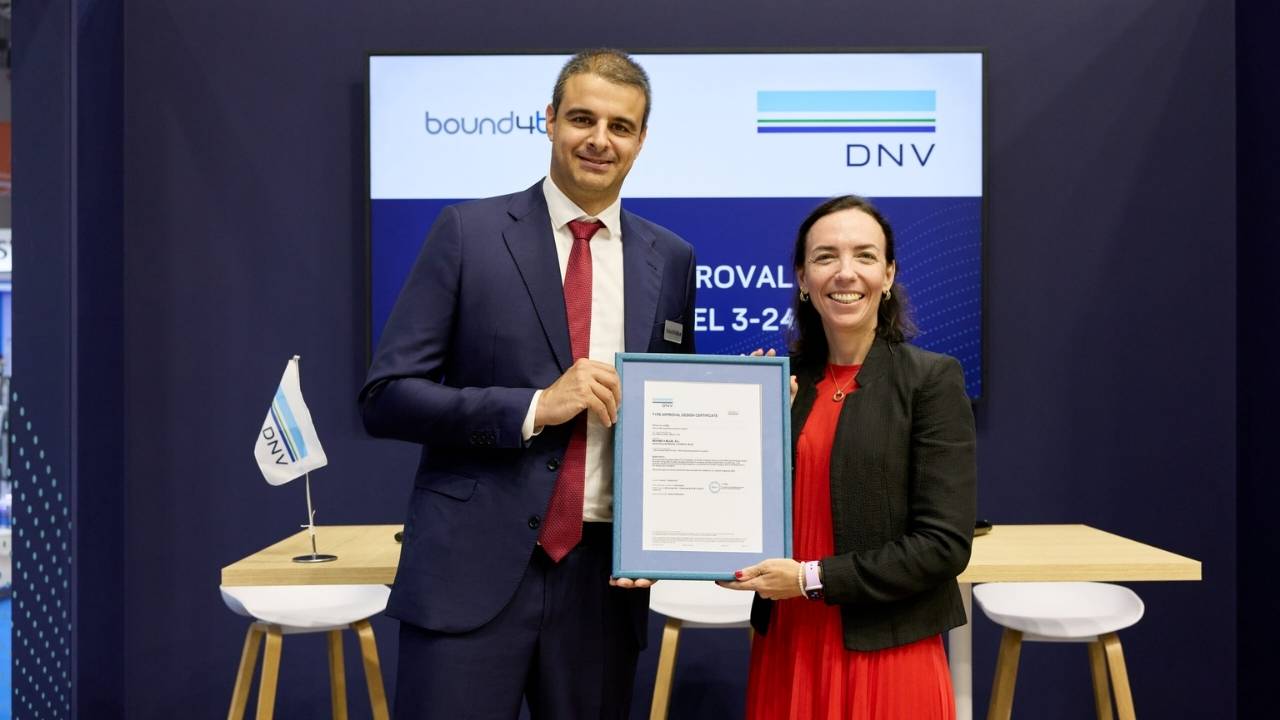
Barcelona-based wind propulsion developer bound4blue has received a type approval design certificate (TADC) from classification society DNV for its Model 3-24 eSAIL, the largest and most powerful installed suction sail the company has produced to date.
The certificate was formally presented during a handover ceremony at Posidonia 2026 in Athens, with DNV Maritime CEO Cristina Saenz de Santa María handing the TADC to bound4blue CEO and co-founder José Miguel Bermúdez. The approval confirms that the system meets DNV's classification requirements for safety, structural integrity and design robustness.
The Model 3-24 is the first unit from bound4blue's Model 3 range to be installed. Two units were fitted in April on the MV Baltazar, a newbuild vessel operated by Klaveness Combination Carriers and classed by DNV. The Model 3 range is designed for larger vessels, with unit heights ranging from 24 metres to 36 metres.
According to bound4blue, the Model 3-24 features a wider chord and increased sail surface area compared with earlier designs, enabling enhanced aerodynamic efficiency and higher propulsion output. The system uses boundary layer suction technology, drawing air across an aerodynamically optimised surface to generate propulsive force, which the company claims reduces main engine fuel consumption and CO2 emissions.
Bermúdez commented: "Achieving type approval from DNV for our most advanced installed eSAIL is an important step forward, both for us and shipowners looking to harness optimal benefits from wind propulsion. Independent validation from a leading classification society like DNV confirms that the technology meets relevant standards for reliability and performance."
He added that such certification reduces uncertainty and supports acceptance by regulators, insurers and charterers, giving shipowners "the basis they need to invest in proven, future-ready solutions".
Saenz de Santa María remarked: "We're now beginning to see the next generation of wind-assisted propulsion system units. One of the key enablers of these developments is the parallel evolution of technical standards, which have been a vital part of building acceptance in the market."
According to bound4blue, the eSAIL system operates autonomously and can be integrated alongside conventional propulsion systems. The technology is said to support compliance with regulatory frameworks including FuelEU Maritime, the EU emissions trading system (EU ETS), the carbon intensity indicator (CII) and energy efficiency existing ship index (EEXI) requirements.
Bound4blue states that its eSAIL systems are compatible with future fuels such as methanol and ammonia, and that its eSAIL has been deployed on 11 ships, with seven more in its order book, representing more than 50 units in total. Its client portfolio includes Eastern Pacific Shipping, Maersk Tankers, Odfjell, Klaveness Combination Carriers and Louis Dreyfus Company.
|
IBIA to host ethanol marine fuel workshop in New York
Limited-capacity session will examine ethanol’s commercial, technical and regulatory prospects as a shipping fuel. |
|
|
|
||
|
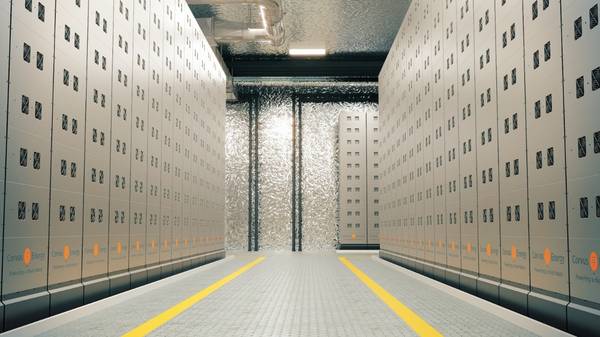
Corvus Energy’s Blue Whale NxtGen battery system gains DNV type approval
DNV approval confirms the safety and performance of Corvus Energy’s large-scale battery system for ferries, cruise ships and offshore vessels. |
|
|
|
||

|
PMG Energies appoints Jessie Ng as bunker trader in Singapore
Bunker firm adds experienced trader to Singapore team. |
|
|
|
||
|
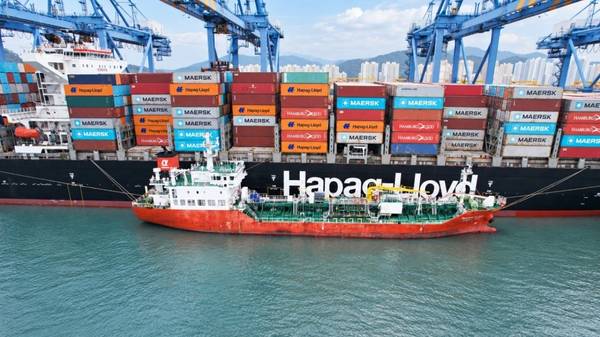
Hapag-Lloyd completes simultaneous-operations biomethanol bunkering in Busan
Container line bunkers ISCC EU-certified biomethanol from Goldwind during SIMOPS, advancing its 2024 supply agreement. |
|
|
|
||
|
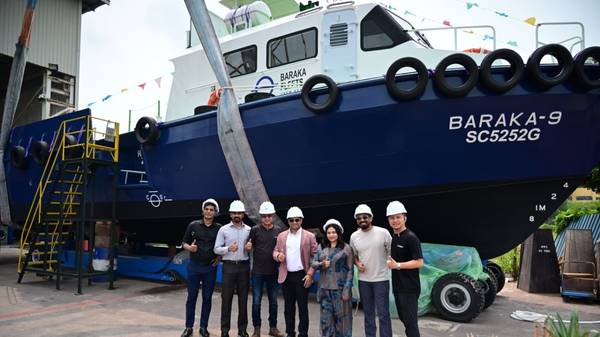
Pinnacle Marine launches B100-compatible harbour craft Baraka-9 for Trans Wave
Singapore shipbuilder adds another biodiesel-ready vessel to a fleet renewal programme aimed at harbour craft decarbonisation. |
|
|
|
||
|
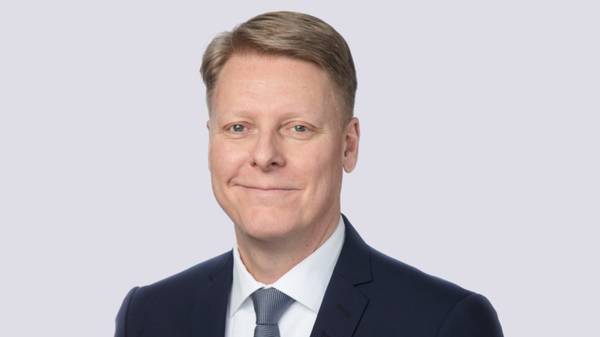
Glander International Bunkering creates European commercial director role, appoints Rune Kongstein
Marine fuels firm is aligning its European operations under a single commercial leadership structure. |
|
|
|
||
|
VPS to run marine fuel management course in the Netherlands this November
Two-day training programme covers fuel quality, handling and decarbonisation regulations. |
|
|
|
||
|
Wind-assisted propulsion 'no longer just a concept', ICS panel says
Shipowners weigh wind power as a practical, low-risk route towards decarbonisation targets. |
|
|
|
||
|
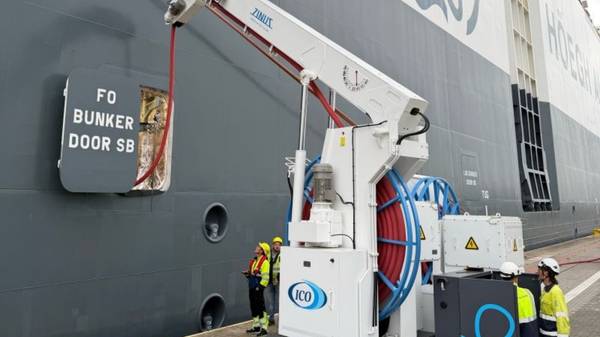
Höegh Autoliners vessel connects to shore power for the first time in Europe
Höegh Starlight used 11 kV shore power in Zeebrugge, allowing it to switch off its auxiliary engines while alongside. |
|
|
|
||
|
Chinese shipbuilder ROC signs deal for up to eight methanol-ready CSOVs
Contract signed with European shipowner for vessels designed for offshore wind farm maintenance work. |
|
|
|
||
| Corvus Energy’s Blue Whale NxtGen battery system gains DNV type approval [News & Insights] |
| Chinese shipbuilder ROC signs deal for up to eight methanol-ready CSOVs [News & Insights] |
| Skarv Shipping completes newbuilding programme with delivery of ammonia-ready Peak Skarv 4 [News & Insights] |
| PaxOcean signs design contract with Ulstein for methanol-ready offshore wind vessel [News & Insights] |
| HD Hyundai completes type approval test for new LNG dual-fuel engine [News & Insights] |
