
 |
Bunker One has expanded its ultra-low-sulphur fuel oil (ULSFO) 0.10% supply infrastructure in northern Germany, adding coverage in the Weser River region.
The expansion covers ports including Bremerhaven, Bremen, Brake and Nordenham. Bunker One said the move is intended to give shipowners and operators an alternative to distillate marine fuel for meeting the 0.10% sulphur requirement in emission control areas.
In Hamburg, ULSFO supply is handled by the bunker barge Uwe Deymann, which has a 4,300-cbm capacity and pumping rates of up to 1,000 cbm per hour. Operations in the Weser area are carried out by the bunker barge Antwerp, which has a 3,566-cbm capacity and pumping rates of up to 455 cbm per hour.
Antwerp can supply two different fuel grades simultaneously, offering added flexibility for vessels with specific fuel requirements.
Bunker One noted that distillate marine fuel has long been the default compliant option in northern Germany, but limited availability of alternatives has narrowed choices for operators seeking more cost-effective compliance.
Beyond the German North Sea ports, Bunker One’s ULSFO network in the Baltic region also includes truck supply in Travemünde.
Bunker One is the global physical supply brand of Denmark-based Bunker Holding, headquartered in Middelfart. Bunker One (Germany) GmbH has offices in Rostock and Hamburg.
Enquiries for supply options in German ports can be directed to germany@bunkerone.com or +49 381 779 98690.
|
Wind-assisted propulsion 'no longer just a concept', ICS panel says
Shipowners weigh wind power as a practical, low-risk route towards decarbonisation targets. |
|
|
|
||
|
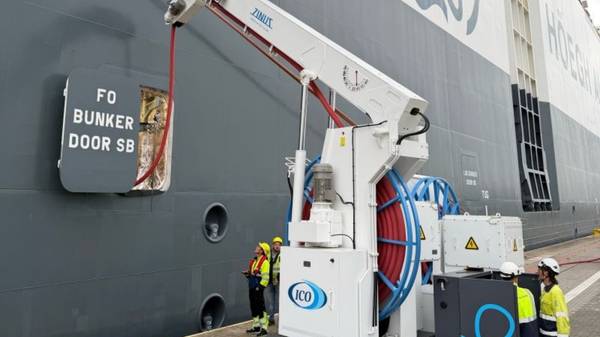
Höegh Autoliners vessel connects to shore power for the first time in Europe
Höegh Starlight used 11 kV shore power in Zeebrugge, allowing it to switch off its auxiliary engines while alongside. |
|
|
|
||
|
Chinese shipbuilder ROC signs deal for up to eight methanol-ready CSOVs
Contract signed with European shipowner for vessels designed for offshore wind farm maintenance work. |
|
|
|
||
|
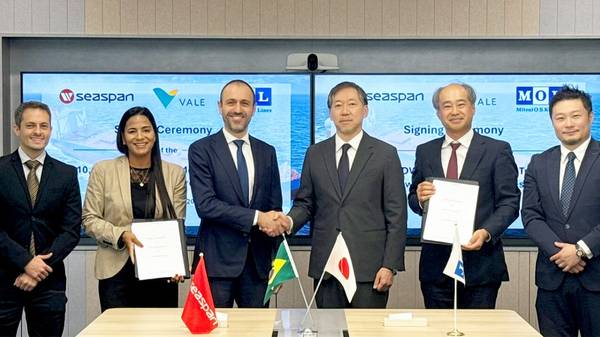
MOL and Vale sign 25-year deal for tri-fuel ore carriers
New vessels will be able to run on ethanol, methanol or heavy fuel oil, offering fuel flexibility. |
|
|
|
||

|
ScanOcean appoints Lars Malmbratt as senior commercial manager
Swedish firm strengthens commercial team with experienced industry executive based in Gothenburg. |
|
|
|
||
|
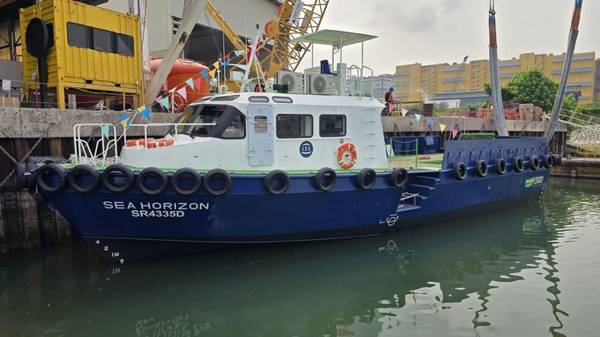
Pinnacle Marine launches second B100-compatible harbour craft for Les Star
Sea Horizon joins Singapore’s harbour craft fleet. |
|
|
|
||
|
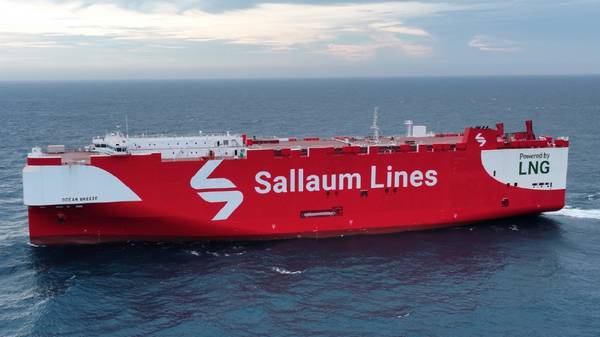
Sallaum Lines orders LNG-fuelled, ammonia-ready PCTCs from Chinese yards
Operator signs shipbuilding agreements for new generation of 8,600-CEU vessels, taking its newbuild investment past $1bn. |
|
|
|
||
|
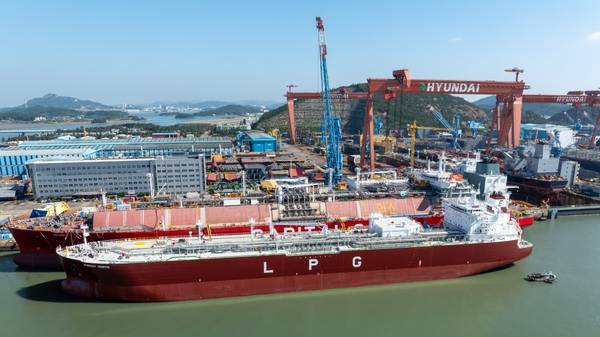
Nakilat takes delivery of dual-fuel carrier in South Korea
Ammonia-ready design positions vessel to play key role in future low-carbon energy supply chains, says Qatari firm. |
|
|
|
||
|
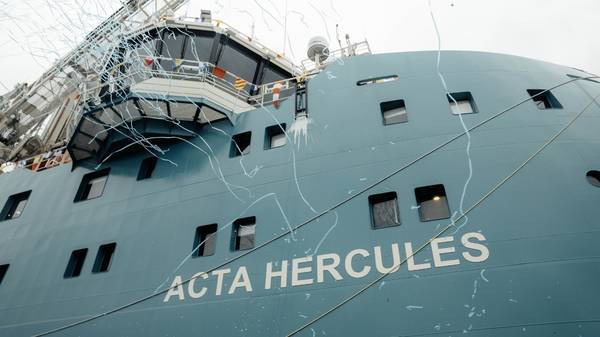
Acta Marine christens methanol dual-fuel vessel Acta Hercules in IJmuiden
Dutch operator marks the christening of its second newbuild CSOV. |
|
|
|
||
|
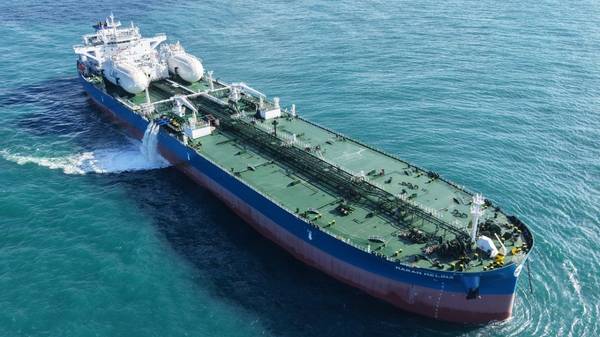
Angelicoussis Group takes delivery of fifth dual-fuel Suezmax tanker
Maran Tankers Management adds the 155,500-DWT Maran Melina to its fleet. |
|
|
|
||
| Maersk completes first US ethanol bunkering of a deep-sea container ship [News & Insights] |
| Petrobras launches HSFO bunker sales in Rio de Janeiro [News & Insights] |
| Japan completes first methanol-fuelled coastal vessel and conducts inaugural bunkering [News & Insights] |
| Petrobras resumes bunkering operations at Rio Grande Terminal after power restoration [News & Insights] |
| TFG Marine fits mass flow meter to Jamaica-bound bunker barge [News & Insights] |
