
 |
NYK Line says it completed a low-carbon methanol bunkering operation for its first methanol-fuelled bulk carrier at Ulsan, South Korea, on September 28.
The Green Future, a methanol dual-fuel bulk carrier chartered from Kambara Kisen by NYK Bulk & Projects Carriers, received methanol bunker fuel via ship-to-ship transfer using a dedicated bunkering vessel.
According to NYK, the low-carbon methanol was produced using a mass balance method, which adds environmental value to the manufacturing process by utilizing renewable raw materials, including renewable natural gas and green hydrogen.
The fuel is claimed to have obtained ISCC EU certification, an international standard for sustainability and traceability of biomass and biofuels, thereby guaranteeing reduced environmental impact and transparency in the supply chain.
NYK Group says it is committed to advancing fleet decarbonisation and realizing clean transportation by utilizing a range of low-carbon and decarbonized fuels, including low-carbon methanol.
Delivered and named in May 2025, the Green Future is NYK Group's first bulk carrier to be equipped with a dual-fuel engine that uses methanol and fuel oil.
By using bio-methanol and e-methanol produced using hydrogen derived from renewable energy sources and recovered carbon dioxide, the new vessel is able to achieve greater reductions in greenhouse gas emissions compared to fuel oil, NYK noted earlier this year.
|
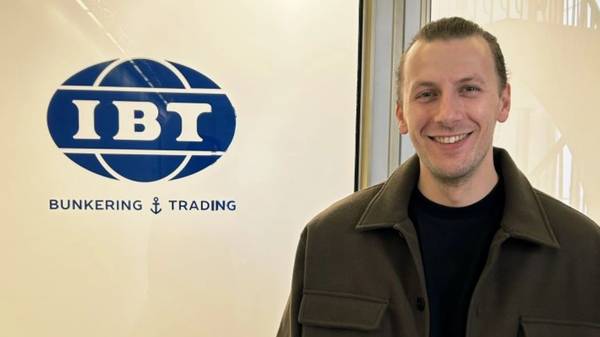
IBT Bunkering & Trading appoints Sales Support Specialist
Björn Hauschild joins from shipyard broker CombiTrade. |
|
|
|
||
|
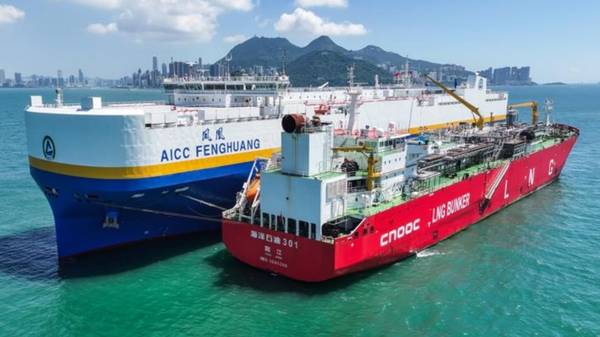
CLPe and CNOOC complete Hong Kong's first LNG bunkering of a pure car and truck carrier
Ship-to-ship operation delivered around 2,600 cbm of LNG to dual-fuel vessel AICC Fenghuang. |
|
|
|
||
|
Mercuria seeks senior sales and account manager for bunker delivery platform
Role can be based either remotely or at one of its offices in London, Geneva, Athens or Las Palmas. |
|
|
|
||
|
Molgas Energy Group appoints Riaan van Kralingen as head of clean fuels
Van Kralingen will oversee the company's liquefied biomethane and EU allowance portfolios, succeeding Caspar Gooren. |
|
|
|
||
|
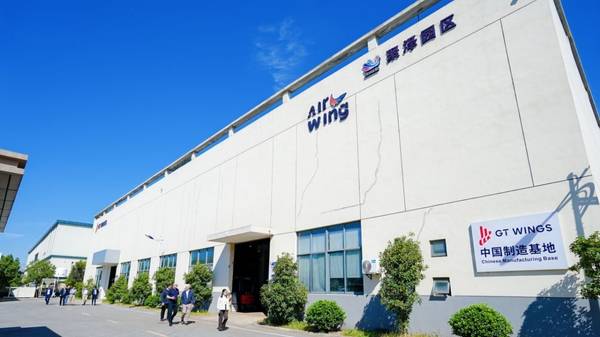
GT Wings launches compact AirWing S Jet Sail for smaller vessels
Wind propulsion developer adds lightweight unit to AirWing range as first customer-ordered AirWing20 units near completion. |
|
|
|
||
|
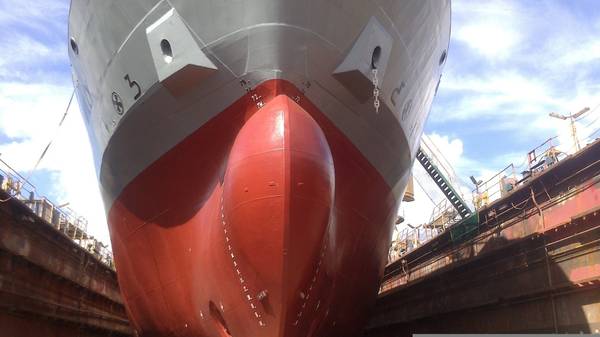
LR publishes retrofit guidance covering alternative fuels and energy-saving devices in one framework
New Guidance Notes address LNG, methanol, ammonia, hydrogen, wind-assisted propulsion and air lubrication retrofits for existing ships. |
|
|
|
||
|
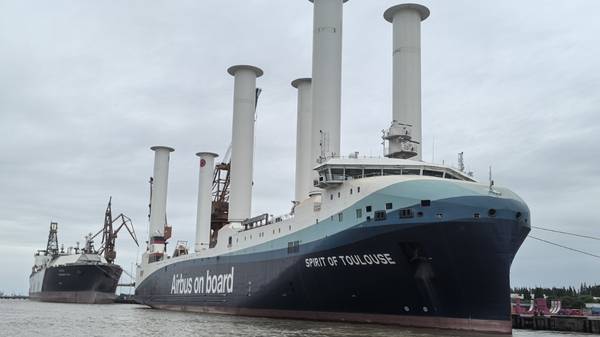
LD Armateurs' Spirit of Toulouse fitted with six Norsepower rotor sails
Six 35m rotor sails installed on the first of three methanol-capable ro-ro ships chartered by Airbus. |
|
|
|
||
|
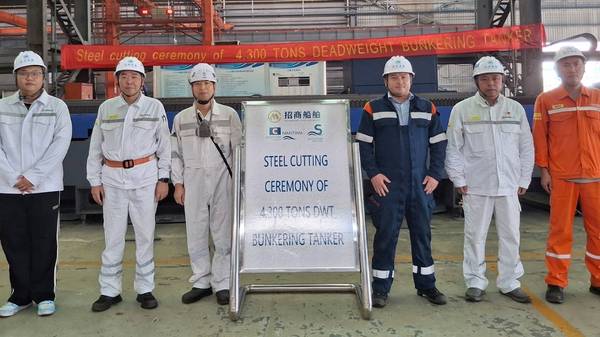
Maritima holds steel-cutting ceremony for Cap Morgiou, first of two Petroineos bunker vessels
Construction starts on bunker vessel able to carry conventional and low-carbon marine fuels, with delivery expected in early 2028. |
|
|
|
||
|
Singapore launches series of measures at SIBCON 2026
MPA announces LNG storage licences, digital bunkering grants and electric harbour craft incentives at 24th conference. |
|
|
|
||
|
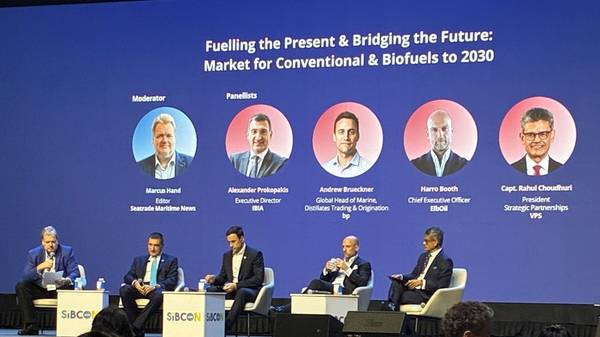
VPS outlines marine fuel standards and quality data at SIBCON 2026
VPS's Rahul Choudhuri addresses Singapore's evolving fuel standards and the quality of conventional fuels and biofuels. |
|
|
|
||
| World's largest methanol-powered RoRo ship delivered to CMES [News & Insights] |
| CMA CGM takes delivery of fifth dual-fuel methanol containership [News & Insights] |
| NYK Line completes first ship-to-ship transfer of liquefied ammonia [News & Insights] |
| NYK Line completes six-month biofuel trial with 'no technical issues' [News & Insights] |
| CLPe and CNOOC complete Hong Kong's first LNG bunkering of a pure car and truck carrier [News & Insights] |
| Maritima holds steel-cutting ceremony for Cap Morgiou, first of two Petroineos bunker vessels [News & Insights] |
| Axpo completes first LNG bunkering in Valencia, with over half bio-LNG [News & Insights] |
| NYK–MISC joint venture signs charter for 18,700-cbm LNG carrier with Malaysia LNG [News & Insights] |
| Study finds methanol dual-fuel retrofit of Kamsarmax bulk carrier would take about 75 days [News & Insights] |
