
|
Monjasa shuffles leadership across Asia and West Africa trading desks
Morten Jacobsen steps down as managing director for Asia, with Simone Piredda relocating from Dubai to take the helm in Singapore |
|
|
|
||
|
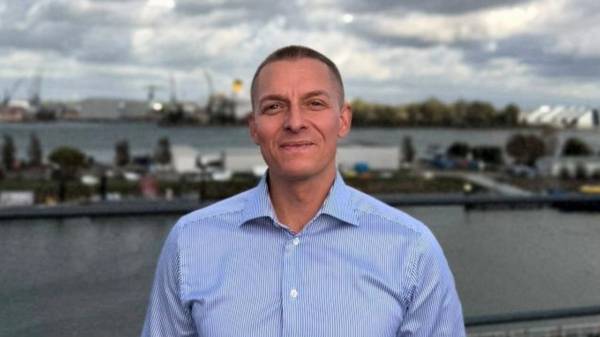
Burando Energies appoints Tue Jensen as head of market risk
Dutch marine fuels specialist bolsters its risk function amid international growth plans. |
|
|
|
||
|
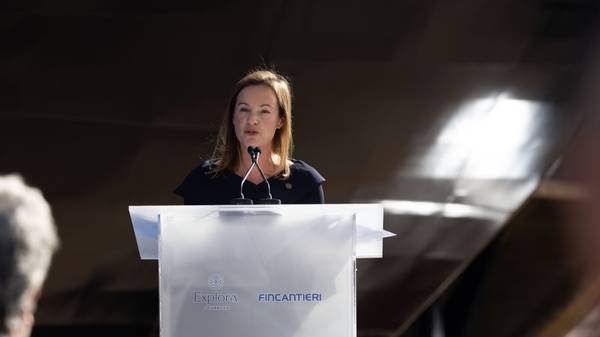
Fincantieri floats out Explora V and marks coin ceremony for Explora VI
Two ceremonies at Sestri Ponente shipyard advance construction of MSC's six-ship Explora Journeys fleet. |
|
|
|
||

|
BP advertises for senior physical bunker trader to oversee Europe and Africa marine business
London-based trader is required to manage pricing, accounts and strategy across its marine fuels operation. |
|
|
|
||
|
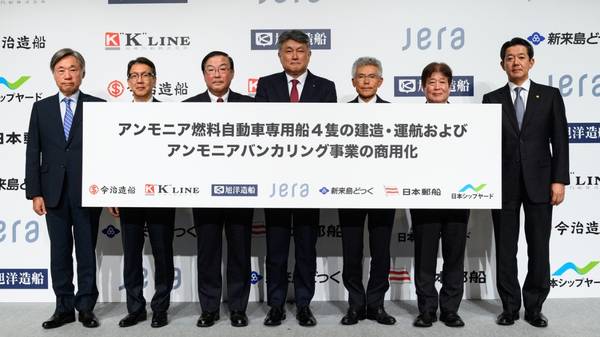
Seven Japanese firms join forces on ammonia-fuelled car carrier project
NYK, K Line and five other companies plan to build four ammonia-fuelled car carriers alongside a dedicated bunkering vessel and supply chain. |
|
|
|
||

|
EmissionLink urges EU to channel ETS revenues into shipping carbon capture trials
Maritime emissions specialist says regulation alone will not make onboard carbon capture commercially viable for shipowners. |
|
|
|
||
|
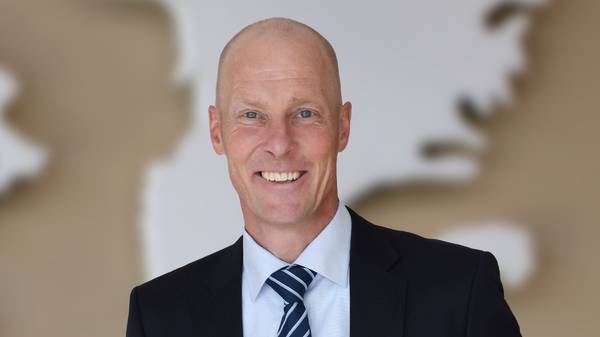
WinGD signs long-term service deals covering 14 LNG carriers with three shipowners
Engine designer secures lifecycle support contracts with COSCO, NYK and TMS Cardiff Gas for dual-fuel LNG vessels. |
|
|
|
||
|
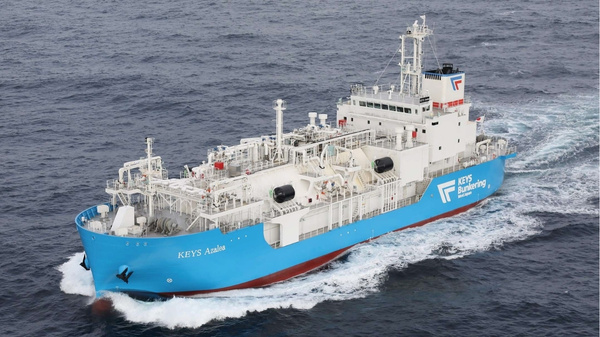
KEYS Azalea completes 100th LNG bunkering operation in western Japan
LNG bunkering vessel reaches landmark delivery in two and a half years. |
|
|
|
||
|
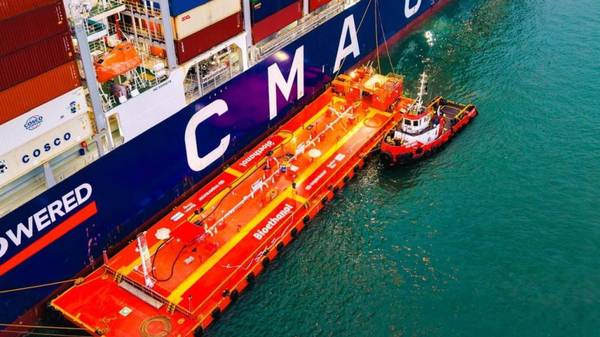
Port of Santos moves to regular ethanol bunkering for ships
CMA CGM, Copersucar and Bunker One expand July pilot into a commercial supply chain for ethanol as a marine fuel in Brazil. |
|
|
|
||
|
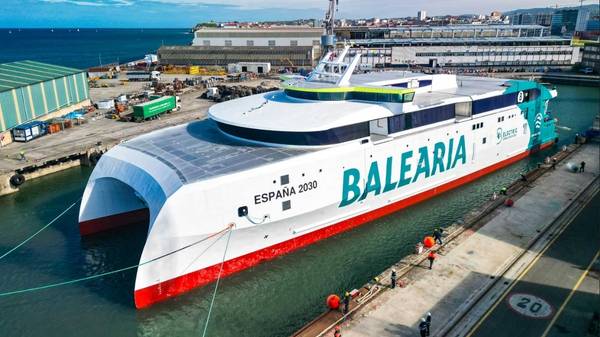
Baleària floats first fully electric fast ferry for Tarifa–Tangier route
Spanish operator's new catamaran, built at Armón's Gijón yard, will enter service in summer 2027. |
|
|
|
||
| Expansion of the Panama Canal may reduce bunker prices [News & Insights] |
| Monjasa focused on growth in Latin America [News & Insights] |
| BP Marine to cease bunkering in US, Panama [News & Insights] |
| Port of Santos moves to regular ethanol bunkering for ships [News & Insights] |
| Dual-fuel fleet passes 500 ships as investment tops $200bn [News & Insights] |
| Shanghai and Melbourne ports move green shipping corridor into delivery phase [News & Insights] |
| HMM orders eight LNG dual-fuel container ships in newbuild push [News & Insights] |
| BSM takes over methanol-fuelled Maersk Torino, building alternative fuel experience [News & Insights] |

